
Arm Tattoos for Women: Meaning, Where to Get It and Ideas
- Leonardo Pereira

- Mar 6, 2025
- 33 min read
Updated: Mar 22
Arm tattoos for women have become increasingly popular, offering a unique canvas for self-expression and artistic beauty. From delicate wrist designs to bold full sleeves, women's arm tattoos encompass a wide range of styles, sizes, and meanings. This comprehensive guide explores everything you need to know about female arm tattoo designs, helping you navigate the exciting world of body art.
Whether you're considering your first tattoo or looking to add to your collection, understanding the nuances of arm tattoos for women is crucial. We'll delve into various aspects, from choosing the perfect design to aftercare and long-term considerations. Our guide covers small arm tattoos for women, elegant feminine arm tattoos, and eye-catching upper arm tattoos for ladies, providing inspiration and practical advice for every preference.
Here's what you'll discover in our extensive exploration of arm tattoos for women:
From intricate forearm tattoos for women to minimalist wrist tattoos, we'll cover a variety of arm tattoo ideas for females. Whether you're drawn to colorful arm tattoos or prefer monochrome designs, this guide will help you make informed decisions about your body art. Join us as we explore the artistry, cultural significance, and practical aspects of arm tattoos for women, empowering you to choose a design that truly resonates with your personal style and story.
1. Types of Arm Tattoos for Women

Arm tattoos for women offer a diverse range of options, each with its own unique appeal and considerations. Understanding the different types of arm tattoos can help you choose the perfect design that aligns with your personal style and comfort level. From subtle accents to bold statements, there's an arm tattoo style to suit every preference.
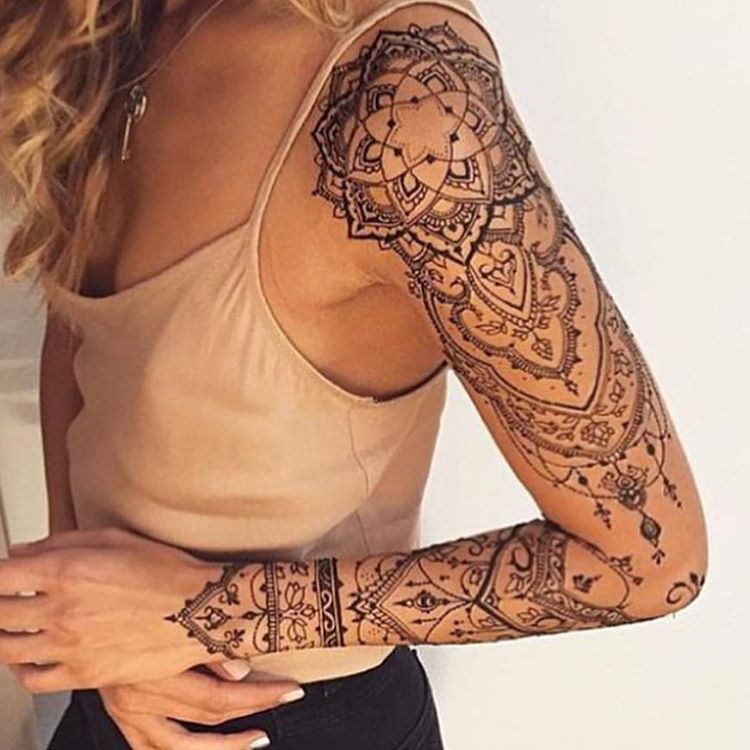
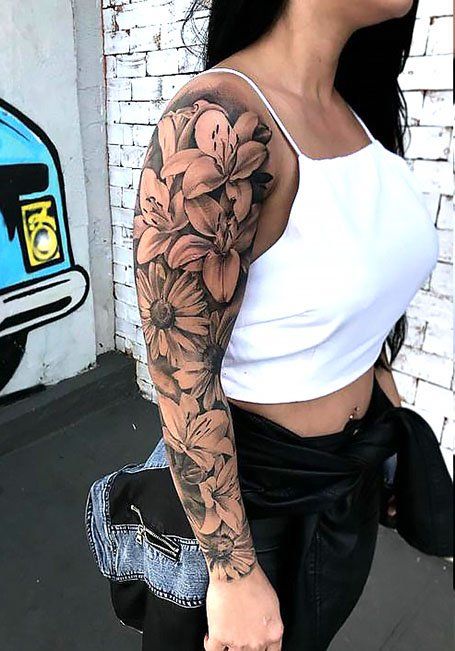
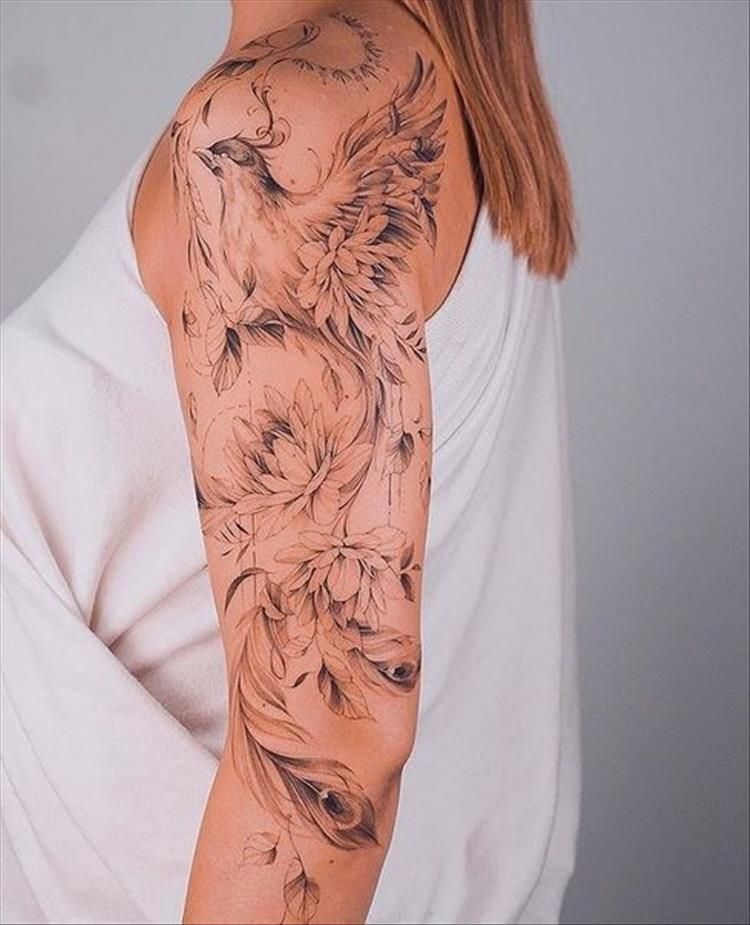
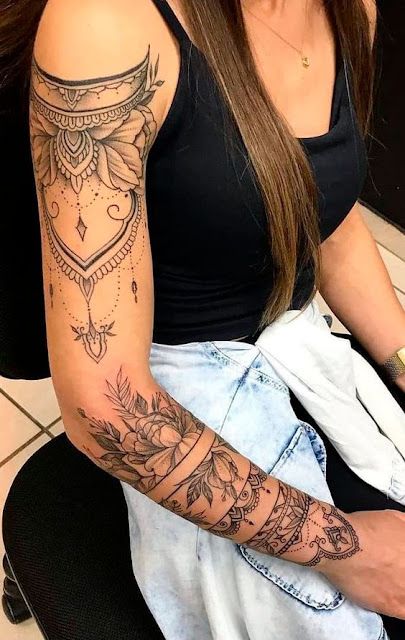
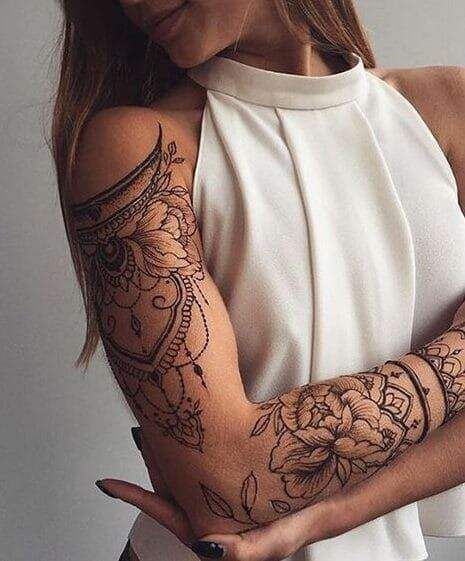
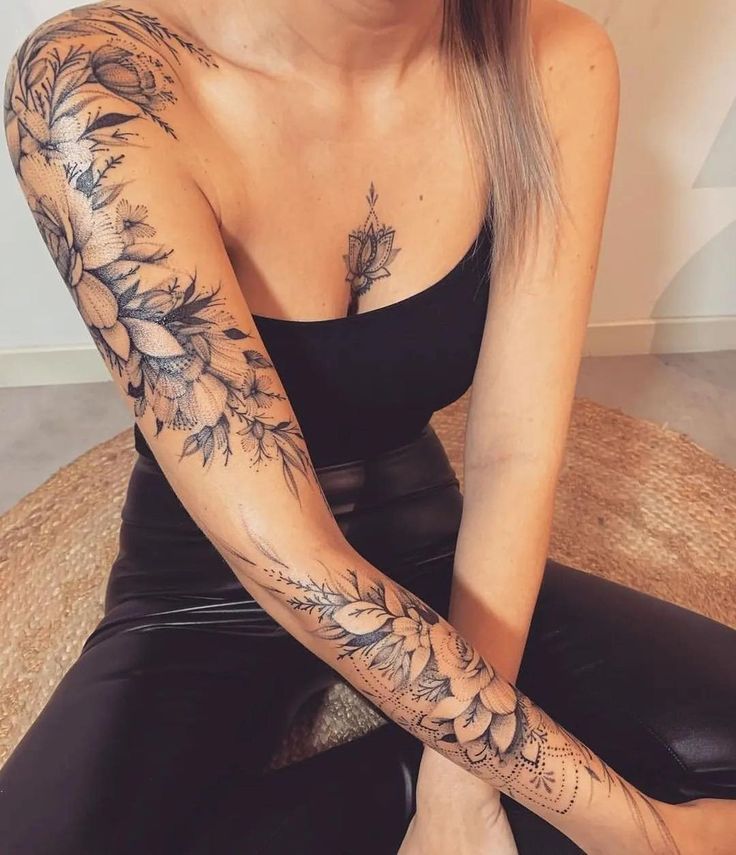
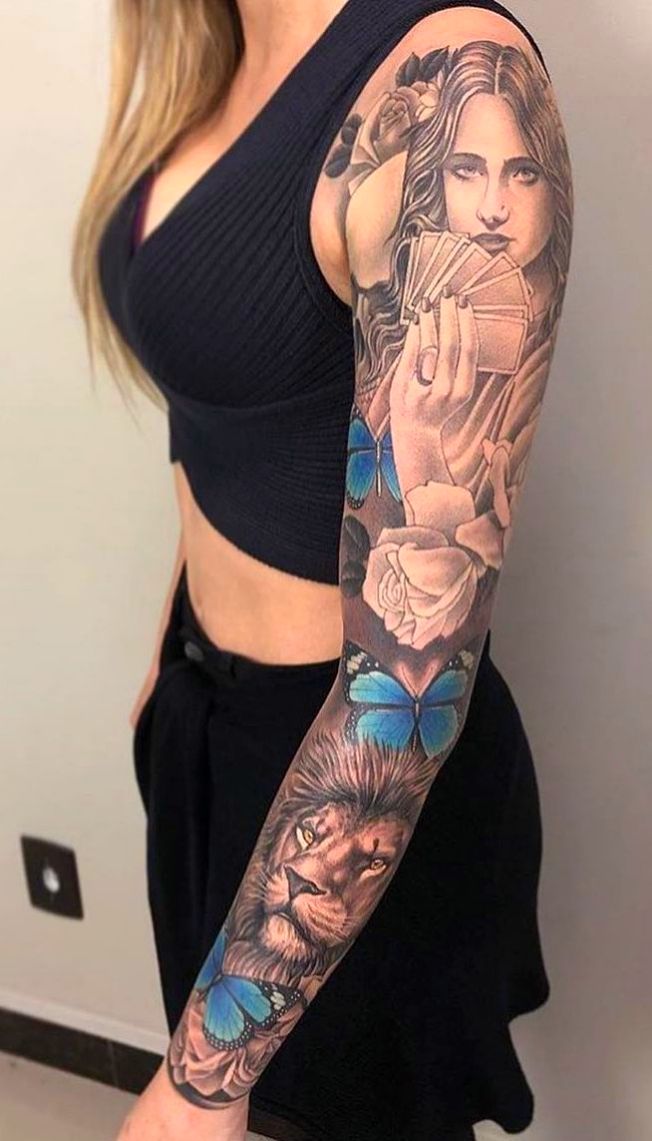
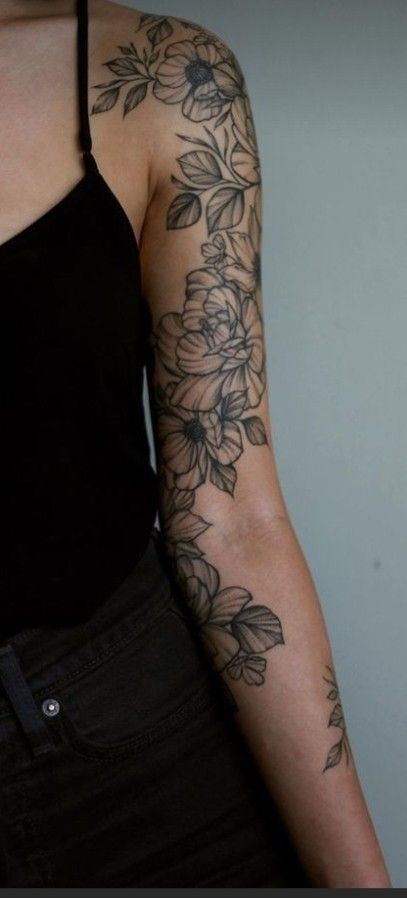
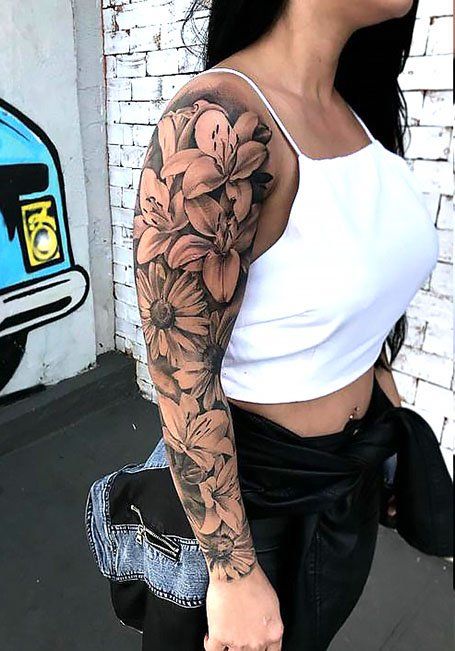
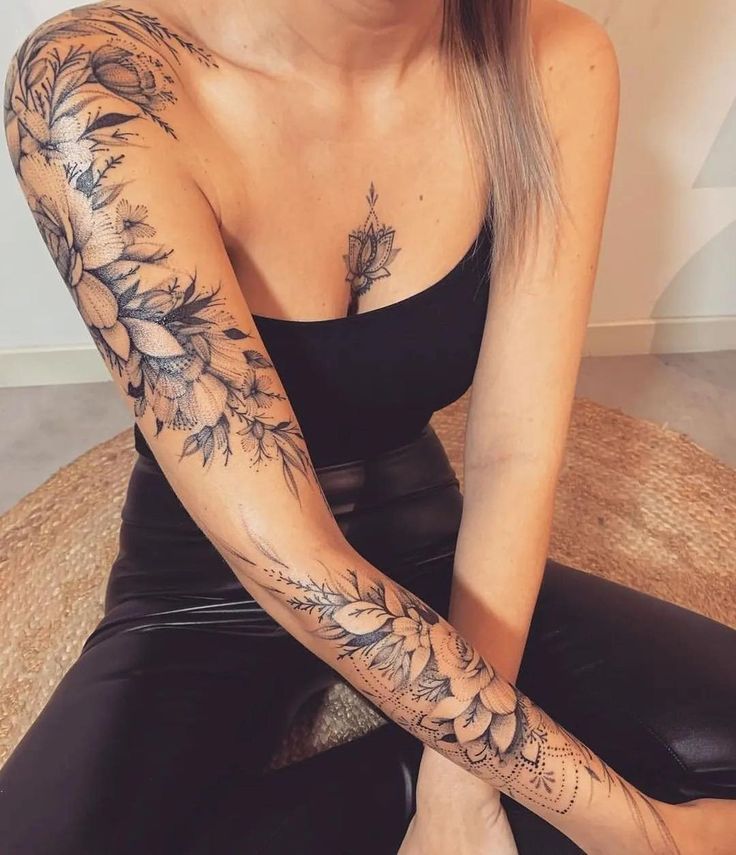
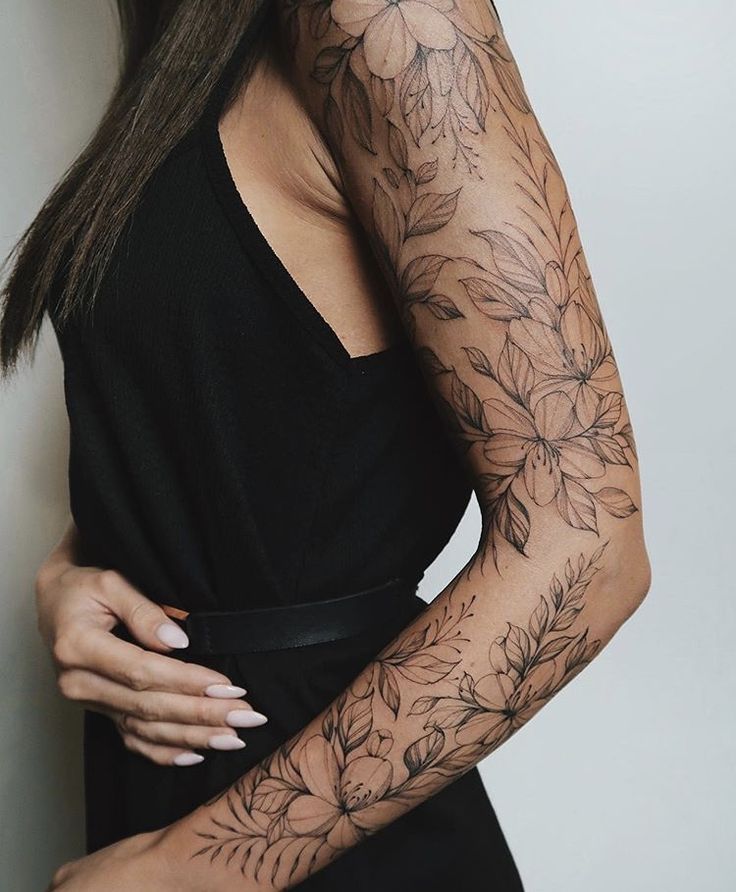
Full sleeve tattoos are perhaps the most dramatic and eye-catching option for women's arm tattoos. These designs cover the entire arm from shoulder to wrist, often incorporating multiple elements or themes that flow together seamlessly. Full sleeves require a significant time investment and financial commitment, often involving multiple sessions to complete. However, the result is a stunning, cohesive piece of art that makes a powerful statement. Women who opt for full sleeves often choose to tell a story through their tattoo, weaving together personal symbols, meaningful imagery, and artistic elements that represent important aspects of their lives.
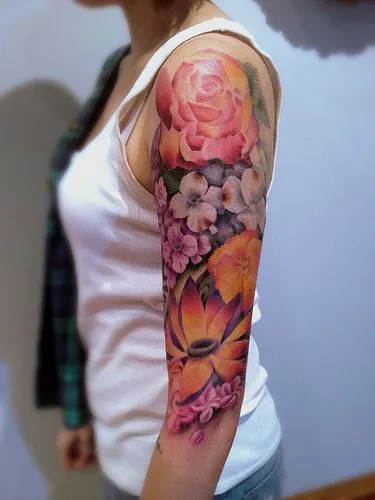
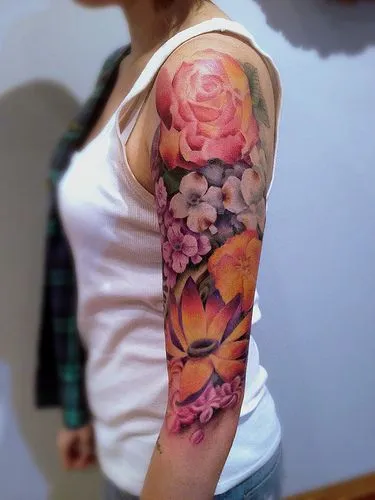
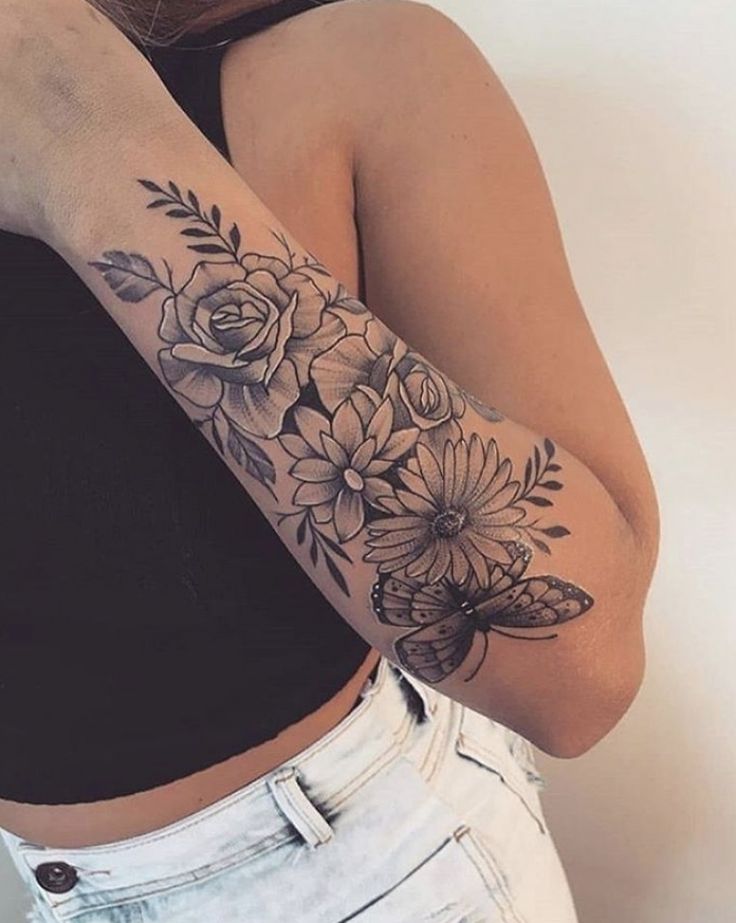
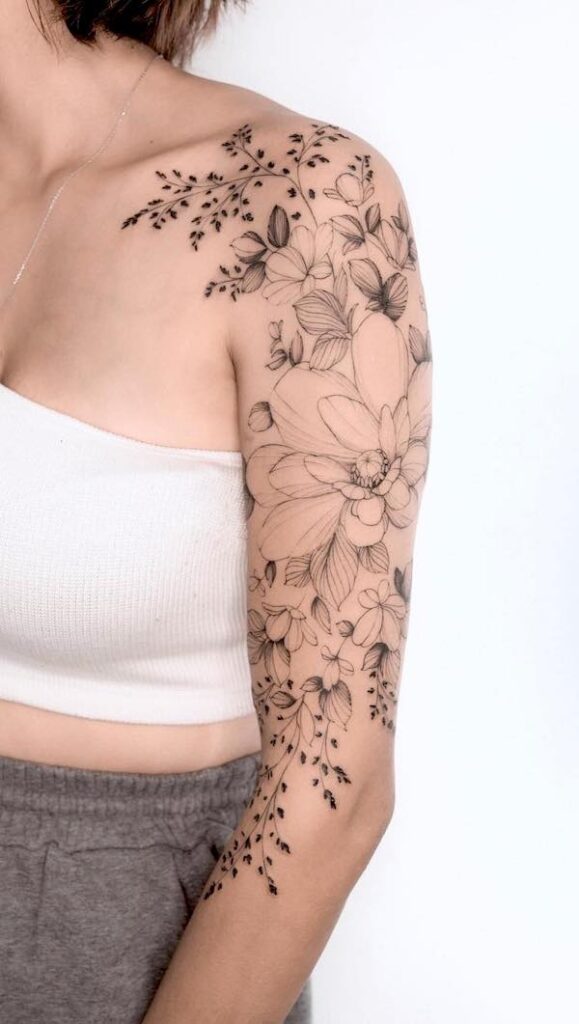
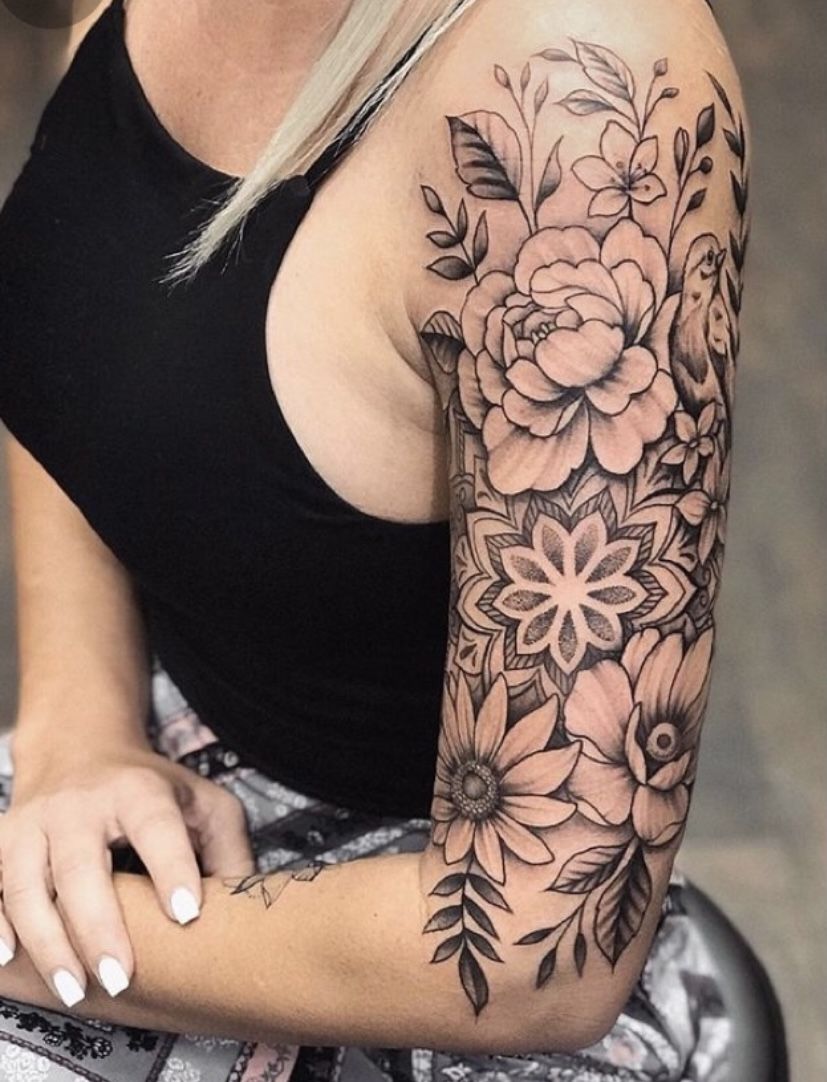
Half sleeve tattoos offer a balance between the boldness of a full sleeve and the discretion of smaller tattoos. Typically covering the area from shoulder to elbow or elbow to wrist, half sleeves provide ample space for intricate designs while still allowing for easy coverage when needed. This option is popular among women who want to express themselves through larger tattoos but may have professional or personal reasons to keep their ink concealable. Half sleeves can be designed as standalone pieces or with the potential to be extended into full sleeves in the future, offering flexibility for those who might want to expand their tattoo over time.
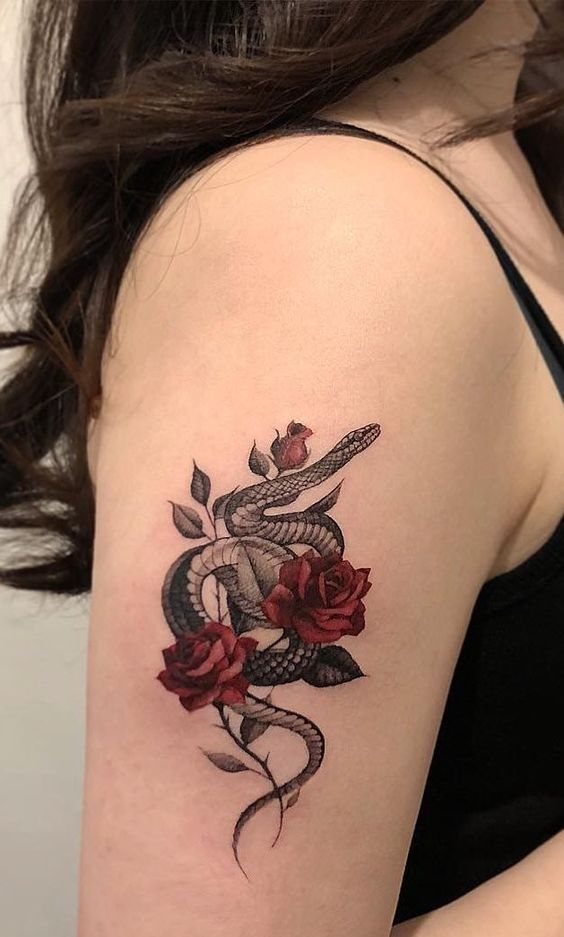
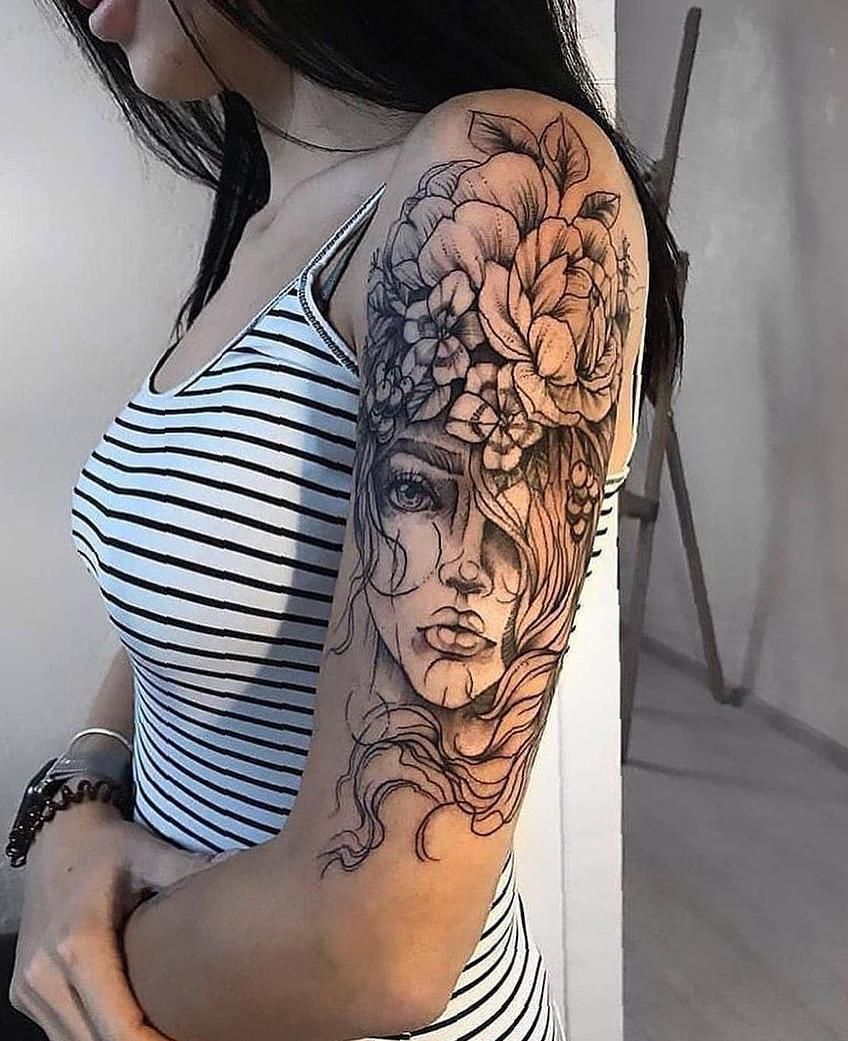
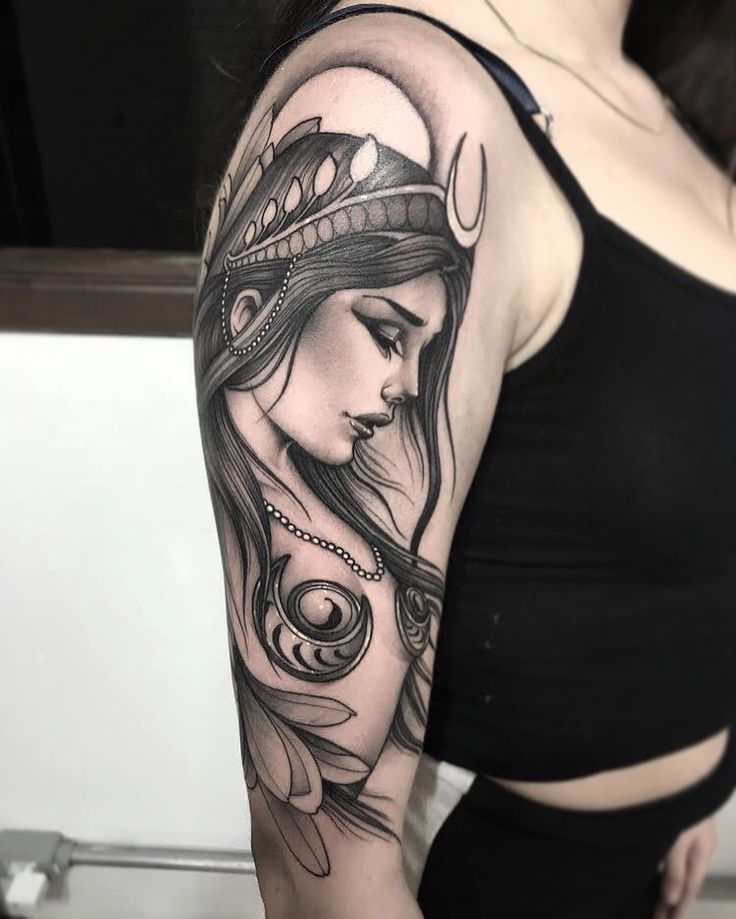
Quarter sleeve tattoos, covering about a quarter of the arm, usually focus on the shoulder area or the lower part of the upper arm. These tattoos are an excellent choice for women who want a substantial piece of art without committing to a larger area of coverage. Quarter sleeves can be particularly flattering as they accentuate the natural curves of the arm and shoulder. They offer enough space for detailed designs while remaining relatively easy to conceal with short-sleeved clothing, making them a versatile option for many women.
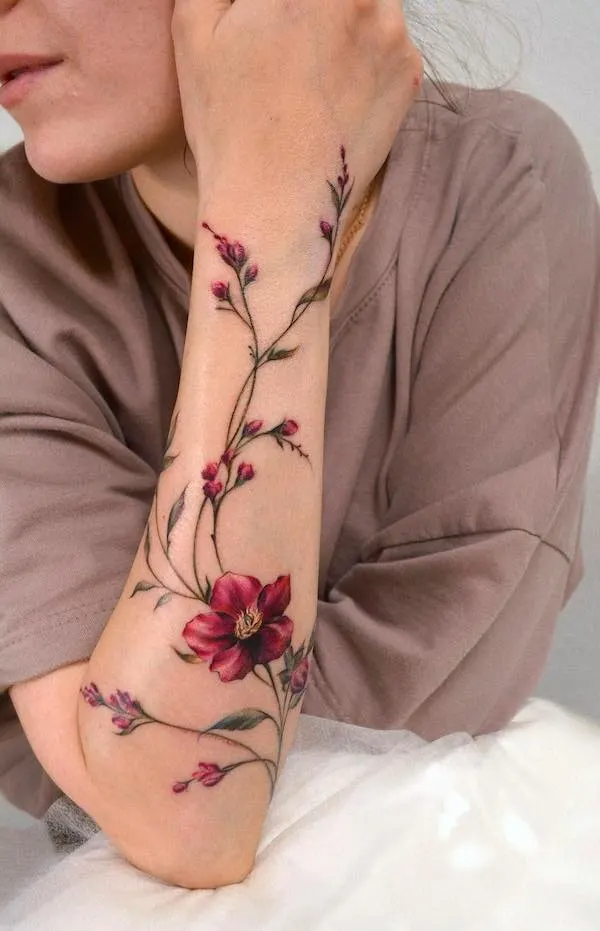
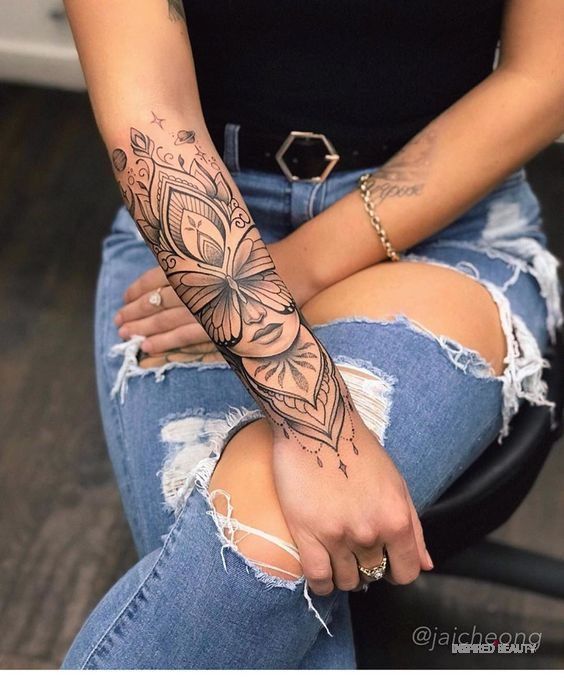
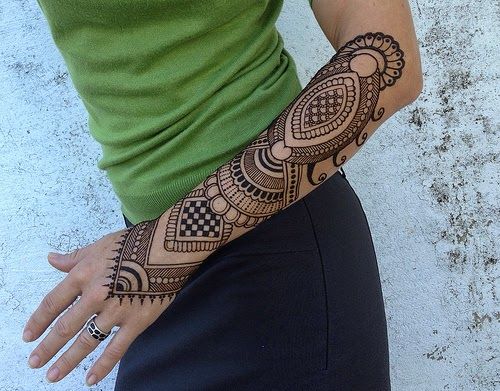
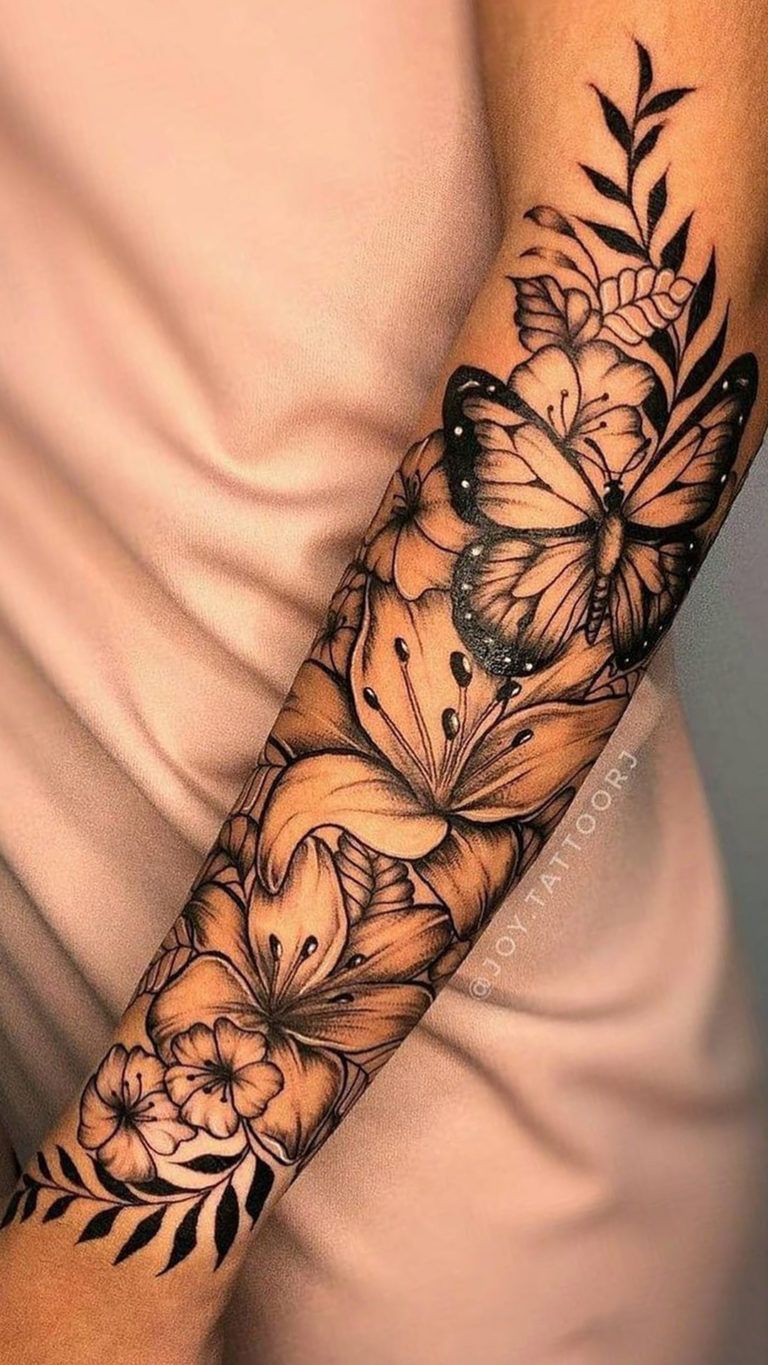
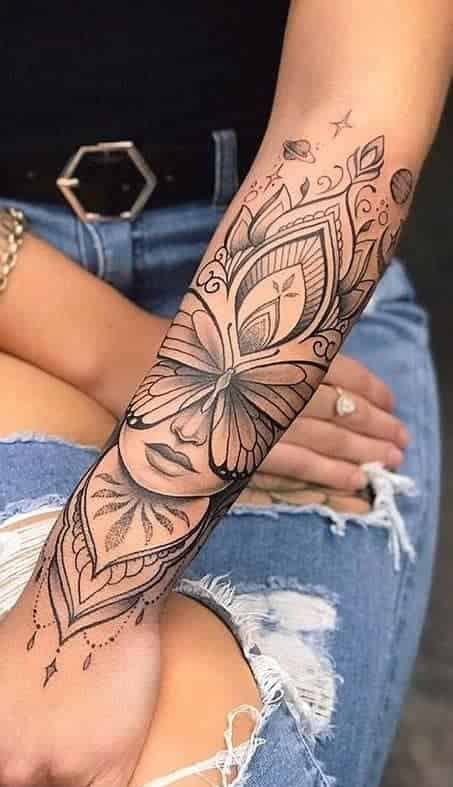
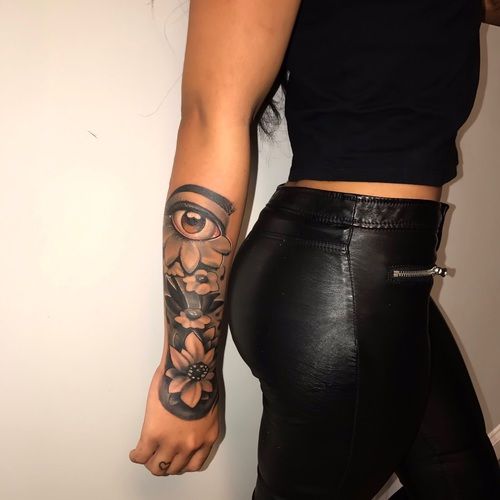
Forearm tattoos have gained significant popularity among women in recent years. This area offers a flat, visible canvas that's perfect for showcasing designs ranging from delicate script to bold graphic elements. Forearm tattoos can be easily viewed by the wearer, allowing for constant appreciation of the art. They're also conversation starters, as they're often visible in everyday interactions. Women choosing forearm tattoos might opt for inner forearm placement for more personal designs or outer forearm for more visible artwork.
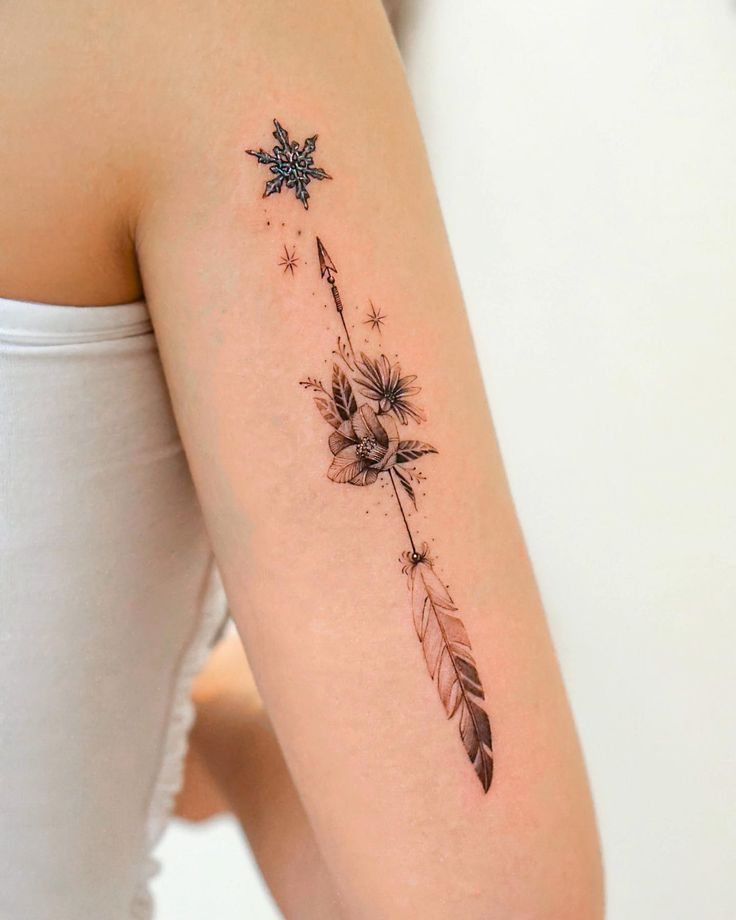
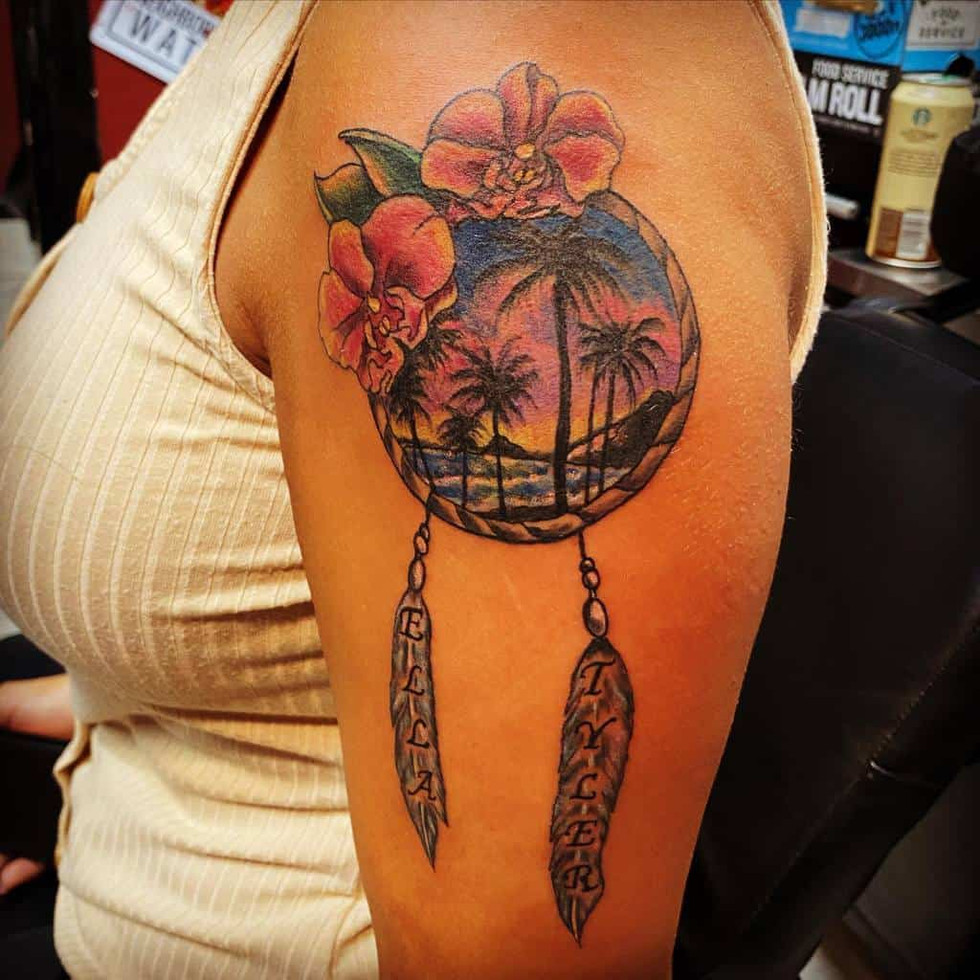
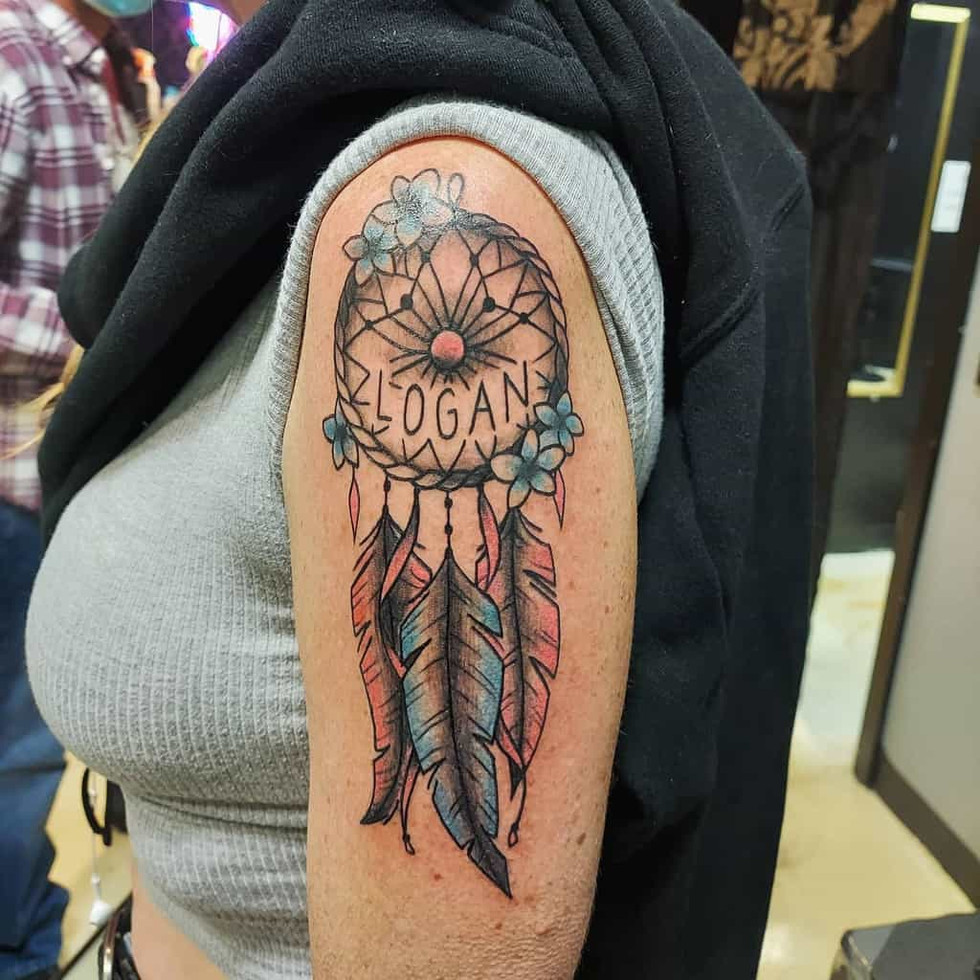
Upper arm tattoos are a classic choice, offering versatility in terms of visibility and design options. This area can accommodate larger, more detailed designs while still being easily concealable with short-sleeved shirts. Upper arm tattoos can wrap around the bicep, creating a cuff-like effect, or focus on one side of the arm. This placement is popular for tributes, portraits, and larger symbolic pieces that hold personal significance.
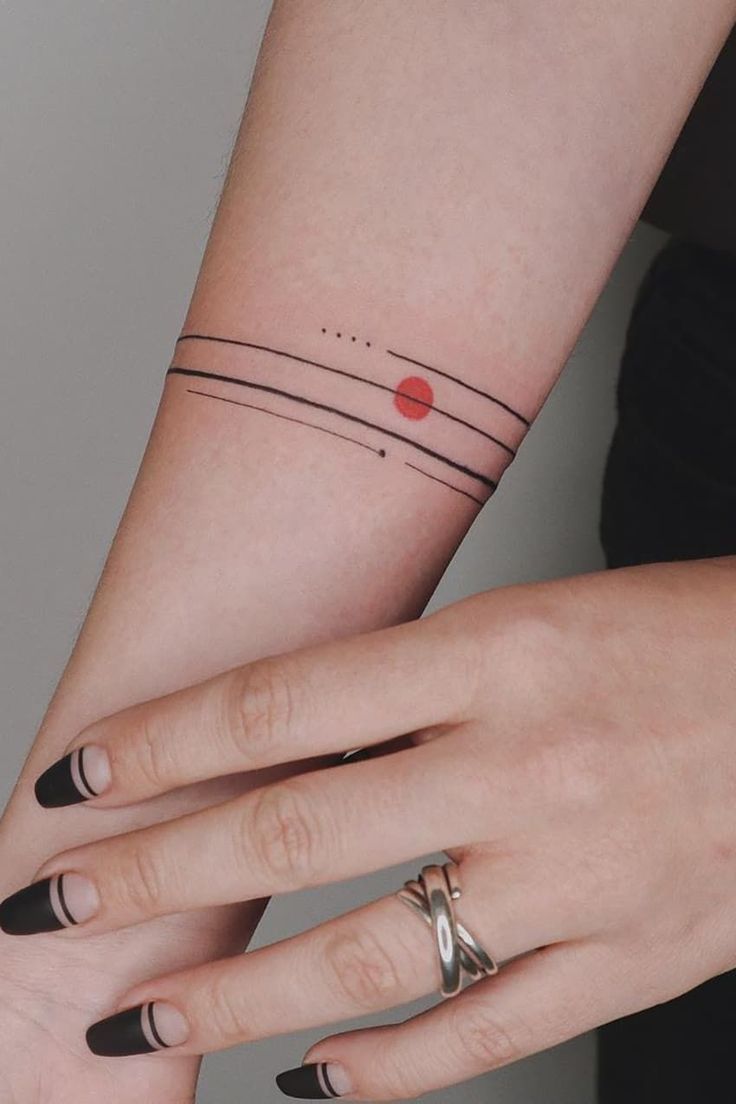
Wrist tattoos, while small, pack a powerful punch in terms of visibility and meaning. These delicate tattoos are perfect for women who want a constant reminder of something important to them, as they're always within view. Wrist tattoos can range from simple symbols or words to more intricate designs that wrap around the wrist. Their high visibility means they're often chosen for deeply personal or motivational messages. Despite their small size, wrist tattoos require careful consideration due to their prominent placement and the thin, sensitive skin in this area.
Each type of arm tattoo offers unique possibilities for self-expression and artistry. When choosing the type of arm tattoo that's right for you, consider factors such as your pain tolerance, desired level of visibility, the amount of detail you want in your design, and how the tattoo might fit into your lifestyle and wardrobe choices. Remember that many women combine different types of arm tattoos, creating a personalized collection that evolves over time. Whether you're drawn to the comprehensive coverage of a full sleeve or the subtle elegance of a wrist tattoo, there's an arm tattoo style that can perfectly capture your vision and personality.
2. Popular Arm Tattoo Designs for Women

The world of arm tattoos for women is rich with diverse designs, ranging from delicate and minimalist to bold and intricate. Popular arm tattoo designs often reflect personal stories, cultural influences, and artistic trends. Understanding the range of design options can help you find inspiration for your own unique tattoo that resonates with your personal style and life experiences.
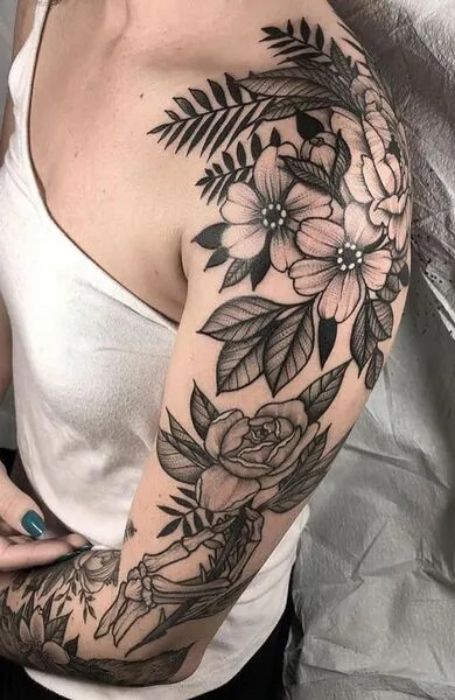
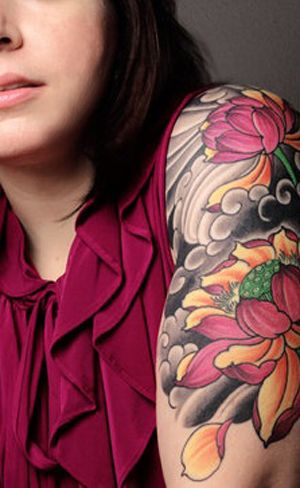
Floral and nature-inspired designs reign supreme in the realm of women's arm tattoos. These tattoos often feature beautifully rendered flowers, leaves, trees, and other elements from the natural world. Roses, sunflowers, cherry blossoms, and lotus flowers are perennial favorites, each carrying its own symbolism and aesthetic appeal. Nature-inspired tattoos can range from realistic botanical illustrations to stylized, artistic interpretations. Many women choose floral arm tattoos to represent growth, beauty, and the cycles of life. These designs can be adapted to any size, from small, single-flower wrist tattoos to elaborate floral sleeves that incorporate a variety of blooms and foliage.
Minimalist and delicate tattoos have seen a surge in popularity, especially for women seeking subtle yet meaningful arm art. These designs often feature fine lines, simple geometric shapes, and small, understated symbols. Popular minimalist tattoos include tiny hearts, stars, or abstract representations of important concepts. Delicate script tattoos, featuring meaningful words or short phrases in elegant fonts, also fall into this category. The appeal of minimalist tattoos lies in their simplicity and the personal significance they hold for the wearer. These designs are particularly well-suited for smaller areas like the wrist or inner forearm, though they can be beautifully incorporated into larger arm tattoo compositions as well.
Geometric and abstract patterns offer a modern, stylish option for women's arm tattoos. These designs use shapes, lines, and patterns to create visually striking artwork. Mandala tattoos, featuring intricate circular designs, are a popular choice in this category, often symbolizing unity, harmony, and the universe. Sacred geometry tattoos, incorporating mathematical patterns found in nature, appeal to those drawn to the intersection of science and spirituality. Abstract tattoos allow for creative freedom, using shapes, colors, and lines to create unique, personal designs that can be interpreted in various ways. These styles are particularly effective for arm tattoos as they can be easily adapted to flow with the contours of the arm.
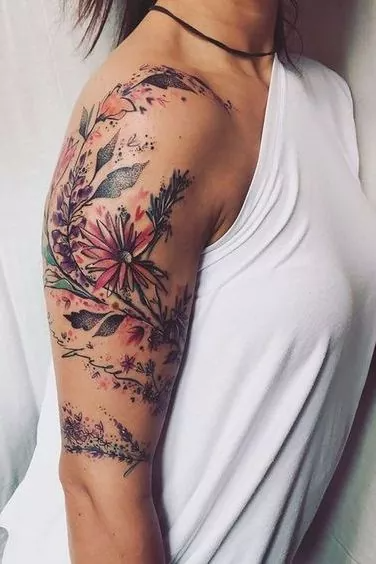
Watercolor tattoos have captured the imagination of many women seeking arm tattoos with a artistic, painterly quality. These tattoos mimic the fluid, ethereal look of watercolor paintings, often featuring soft color gradients and splashes of color that seem to bleed beyond the lines of the design. Watercolor techniques can be applied to various subjects, from abstract shapes to more representational imagery like animals or landscapes. The effect is a tattoo that looks like a work of art painted directly on the skin. While beautiful, it's important to note that watercolor tattoos may require more frequent touch-ups to maintain their vibrant, soft-edged appearance over time.
Script and typography tattoos remain a popular choice for women's arm tattoos, offering a way to wear meaningful words or phrases close to the heart. These can range from single words to full quotes, poetry lines, or mantras. The choice of font is crucial in script tattoos, with options ranging from elegant cursive to bold, modern typefaces. Many women choose to memorialize important dates, names, or personal mottos through script tattoos. The forearm and wrist are popular placements for these designs, allowing for easy readability and daily reminders of the tattooed message.
Symbolic and meaningful designs are at the heart of many women's arm tattoos. These can include religious or spiritual symbols, zodiac signs, animals with personal significance, or abstract representations of important life events or values. Compass designs, symbolizing guidance and direction, are popular for arm tattoos. Infinity symbols, often incorporated with words or other elements, represent endless love or commitment. Bird tattoos, particularly swallows or phoenixes, are chosen for their associations with freedom, rebirth, and overcoming challenges. The beauty of symbolic tattoos lies in their personal meaning to the wearer, often telling a story that may not be immediately apparent to others.
When choosing a design for your arm tattoo, it's important to consider not just the current trends but also the long-term significance and appeal of the design. A well-chosen arm tattoo design should resonate with your personal aesthetic, hold meaning for you, and be something you'll be happy to wear for years to come. Many women find that combining elements from different design styles creates a unique tattoo that truly represents their individuality. Whether you're drawn to the timeless beauty of floral designs, the modern edge of geometric patterns, or the personal touch of symbolic tattoos, there's a vast world of design possibilities to explore for your arm tattoo.
3. Choosing the Right Arm Tattoo

Selecting the perfect arm tattoo is a deeply personal process that requires careful consideration of various factors. The right tattoo should not only be visually appealing but also hold personal significance and complement your lifestyle. This decision-making process involves reflecting on your personal style, the meaning you want to convey, and practical considerations about placement and long-term satisfaction.
First and foremost, consider your personal style and the meaning you want your tattoo to hold. Reflect on what inspires you, what symbols or images resonate with your life experiences, and what you want your tattoo to represent. Some women choose arm tattoos that commemorate important life events, honor loved ones, or represent personal growth and achievements. Others may be drawn to purely aesthetic designs that they find beautiful or intriguing. Take time to explore different styles and gather inspiration from various sources. Creating a mood board or collection of tattoo ideas can help you identify patterns in what you're drawn to and refine your vision.
The placement of your arm tattoo is crucial, as it affects both the visual impact of the design and its practicality in your daily life. Consider how different areas of your arm might showcase the tattoo and how visible you want it to be. For instance, an inner forearm tattoo might be more personal and easily concealed, while an outer forearm or upper arm tattoo might be more prominently displayed. Think about how the tattoo will look in different positions and with various types of clothing. It's also important to consider how the placement might affect your professional life, depending on your career or future career aspirations.
The size of your tattoo is another important factor to consider. Larger tattoos allow for more detail and can make a bold statement, but they also require a bigger commitment in terms of time, pain, and cost. Smaller tattoos can be more subtle and may be easier to incorporate into your existing style or to conceal when necessary. Consider how the size of the tattoo will balance with your arm's proportions and any existing tattoos you may have. Some women start with a smaller tattoo with the intention of expanding it into a larger piece over time, which can be a good option if you're unsure about committing to a large tattoo initially.
When choosing your arm tattoo, it's crucial to think long-term. Trends in tattoo design come and go, but your tattoo will be with you for life. Choose a design that you believe you'll still be happy with years or even decades from now.
Consider how the tattoo might age with your skin and how it might look at different stages of your life. It's often advisable to sit with your tattoo idea for several months before committing to it, to ensure it's not a passing fancy but something you truly want permanently on your body.
Consulting with a professional tattoo artist is an invaluable step in choosing the right arm tattoo. An experienced artist can offer insights into how different designs will work with your skin tone, arm shape, and personal style. They can also advise on how to adapt your chosen design to work best as a tattoo, considering factors like how it will age and how it can be placed to flow naturally with your arm's contours. Don't hesitate to shop around and consult with multiple artists to find someone whose style and approach aligns with your vision.
Remember that choosing an arm tattoo is a journey of self-expression and personal growth. It's okay to take your time with the decision and to evolve your ideas as you go through the process. Many women find that their final tattoo design is a collaboration between their initial concept and the artistic input of their chosen tattoo artist. By carefully considering your personal style, the tattoo's meaning, its placement and size, and its long-term impact, you can choose an arm tattoo that you'll cherish for years to come, one that beautifully represents who you are and what you value.
4. The Tattoo Process for Women's Arm Tattoos

The process of getting an arm tattoo is an exciting journey that involves several stages, from the initial consultation to the final healing. Understanding this process can help women feel more prepared and confident as they embark on their tattoo experience. Whether it's your first tattoo or an addition to your collection, knowing what to expect can enhance your overall satisfaction with the end result.
The tattoo process typically begins with a consultation with your chosen artist. This crucial step allows you to discuss your ideas, show any reference images you've collected, and get professional input on your design concept. During the consultation, the artist will consider factors such as the size and placement of the tattoo, how it will work with your arm's contours, and any modifications that might enhance the design. This is also the time to discuss any concerns you may have, such as pain management or aftercare. Many artists will sketch a custom design based on your discussion, which you can then refine together until you're completely satisfied with the concept.
Preparation for your tattoo session is an important part of the process. In the days leading up to your appointment, it's advisable to stay well-hydrated and avoid alcohol and blood-thinning medications (with your doctor's approval). On the day of your tattoo, wear comfortable clothing that allows easy access to the area being tattooed. It's a good idea to eat a meal before your session to help maintain your blood sugar levels. When you arrive at the studio, the artist will clean the area to be tattooed and may shave it if necessary. They will then apply a stencil of the design to your arm, allowing you to see how it will look and make any final adjustments to the placement.
The tattooing process itself begins with the artist setting up their equipment, including sterilized needles and fresh ink. As they start tattooing, you'll hear the buzzing of the tattoo machine and feel a sensation that many describe as a combination of scratching and burning. The level of discomfort varies depending on the specific area of the arm being tattooed and your individual pain tolerance. Some areas, like the inner bicep or elbow ditch, tend to be more sensitive than others. Your artist may take breaks during the session, especially for larger pieces, allowing you to rest and relax. Don't hesitate to communicate with your artist if you need a break or if you're experiencing significant discomfort.
For larger arm tattoos, such as half or full sleeves, the process may be broken up into multiple sessions. This approach allows for more detailed work and gives your skin time to heal between sessions. Each session typically focuses on a specific part of the design, gradually building up the complete tattoo. The duration of each session can vary widely, from a quick hour for small, simple designs to several hours for more complex pieces. Your artist will give you an estimate of how long they expect the process to take based on your specific design.
Once the tattooing is complete, your artist will clean the area and apply a protective covering. They will provide you with detailed aftercare instructions, which are crucial to follow for proper healing and to ensure the best final result. Immediately after the tattoo, you can expect some redness, swelling, and tenderness in the tattooed area. This is normal and typically subsides within a few days. Your artist will explain how to clean and moisturize your new tattoo, what products to use, and what activities to avoid during the healing process.
The entire process of getting an arm tattoo, from consultation to final healing, can be a deeply personal and transformative experience. Many women find that the journey of getting a tattoo is as meaningful as the final result itself. It's an opportunity for self-expression, a test of endurance, and often a moment of personal growth. By understanding and embracing each stage of the process, you can ensure a positive tattoo experience that results in a beautiful piece of art you'll be proud to wear on your arm.
5. Pain Levels and Sensitivity

When considering an arm tattoo, many women have questions about pain levels and sensitivity. While pain is a subjective experience that varies from person to person, understanding the general pain levels associated with different areas of the arm can help you prepare mentally and make informed decisions about your tattoo placement. It's important to remember that while discomfort is an inherent part of the tattooing process, many find the end result well worth the temporary pain.
Generally, the arm is considered one of the less painful areas to get tattooed compared to other parts of the body. However, pain levels can vary significantly depending on the specific location on the arm. Areas with more flesh and muscle, such as the outer bicep and forearm, tend to be less painful. These areas have fewer nerve endings close to the surface and more cushioning between the skin and bone, which can make the tattooing process more tolerable. Many women report that tattoos in these areas feel more like an annoying scratching sensation rather than sharp pain.
On the other hand, certain areas of the arm are known to be more sensitive. The inner bicep, for instance, tends to be quite tender due to the thinner skin and proximity to lymph nodes. The elbow and the area around it, often called the "elbow ditch," can be particularly painful due to the lack of fat and muscle in this area and the concentration of nerve endings. The wrist and inner forearm can also be more sensitive, especially for those with thinner skin. Tattoos that extend onto the shoulder or near the armpit may also cause more discomfort due to the thinness of the skin and the presence of many nerve endings in these areas.
Pain tolerance varies widely among individuals and can be influenced by various factors. Some women find that their menstrual cycle affects their pain sensitivity, with increased sensitivity in the days leading up to and during menstruation. Stress, fatigue, and overall health can also impact how pain is experienced during tattooing. Additionally, first-time tattoo recipients often report higher levels of discomfort, partly due to the uncertainty and anxiety about the process. Many find that subsequent tattoos are easier to tolerate as they know what to expect.
There are several pain management techniques that can help make the tattooing process more comfortable. Some artists offer numbing creams or sprays that can be applied before the tattoo begins, although opinions vary on their effectiveness and whether they might affect the tattooing process. Taking breaks during longer sessions can help manage pain and give you a chance to relax and recompose yourself. Deep breathing exercises and distraction techniques, such as listening to music or engaging in conversation with your artist, can also help take your mind off the discomfort.
It's important to communicate with your tattoo artist about your pain concerns. Experienced artists are accustomed to working with clients with varying pain tolerances and can often adjust their technique or take breaks as needed to ensure your comfort. Some artists may suggest breaking up larger pieces into multiple sessions to make the process more manageable. Remember that while the pain of tattooing is temporary, the artwork is permanent, so it's worth enduring some discomfort to achieve the desired result.
Ultimately, many women find that the excitement of getting a new tattoo and the adrenaline that comes with the process help to mitigate the pain. The discomfort of tattooing is often described as a rite of passage, with the endurance required becoming part of the meaningful experience of getting tattooed. By understanding the varying pain levels across different areas of the arm and preparing mentally for the experience, you can approach your arm tattoo with confidence, knowing that the temporary discomfort will result in a permanent piece of art that you can cherish for years to come.
6. Aftercare for Women's Arm Tattoos

Proper aftercare is crucial for ensuring the best possible healing and long-term appearance of your arm tattoo. The aftercare process for arm tattoos is particularly important due to the frequent movement and exposure of this area in daily life. Following your artist's instructions diligently can help prevent complications, reduce the risk of infection, and ensure that your tattoo heals beautifully.
Immediately after getting your arm tattoo, your artist will clean the area and apply a protective covering. This covering may be a traditional bandage or a specialized adhesive film designed for tattoo healing. Your artist will provide specific instructions on when and how to remove this covering, typically within a few hours to a day after the tattoo is completed. When you remove the covering, gently wash the tattoo with lukewarm water and an unscented, antibacterial soap. Pat the area dry with a clean, soft towel – never rub, as this can irritate the freshly tattooed skin.
For the first few days, you'll need to keep your tattoo clean and moisturized. Wash the tattoo gently two to three times a day with unscented soap and apply a thin layer of the aftercare product recommended by your artist. This might be a specialized tattoo aftercare ointment or a fragrance-free, hypoallergenic moisturizer. It's important not to over-moisturize, as this can clog pores and delay healing. The goal is to keep the tattoo from drying out and cracking while allowing it to breathe.
During the healing process, which typically takes about two to four weeks, it's normal for your tattoo to go through several stages. Initially, the tattoo may be swollen and tender. This is followed by a period where the tattoo may appear to be peeling or flaking. It's crucial to resist the urge to pick at or scratch the tattoo during this time, as doing so can remove ink and lead to patchy healing or even scarring. Let the skin flake off naturally. If you experience excessive redness, swelling, or any signs of infection, such as fever or pus, contact your tattoo artist or a healthcare professional immediately.
Protecting your healing arm tattoo from the sun is extremely important. UV rays can fade your tattoo and irritate the healing skin. For the first few weeks, keep your tattoo completely covered when outdoors. Once the tattoo has healed, always apply a high SPF sunscreen to the tattooed area when it will be exposed to sunlight. This sun protection should become a lifelong habit to maintain the vibrancy of your tattoo.
Special considerations for arm tattoos include being mindful of clothing and accessories. Avoid tight sleeves that might rub against the healing tattoo, opt for loose, breathable fabrics instead. Be cautious with watches, bracelets, or anything else that might irritate the tattooed area. During exercise or activities that cause sweating, take extra care to keep the tattoo clean and dry, as excessive moisture can interfere with healing.
Long-term care for your arm tattoo involves maintaining overall skin health. Keep the tattooed area moisturized to prevent the skin from becoming dry and flaky, which can affect the appearance of the tattoo. Continue to protect your tattoo from sun exposure, as UV rays are the primary cause of tattoo fading over time. If you notice any changes in your tattoo, such as fading or blurring of lines, consult with your tattoo artist. Touch-ups may be necessary over the years to maintain the crispness and vibrancy of your tattoo.
It's important to note that everyone's healing process is unique, and factors such as your overall health, the location of the tattoo on your arm, and the size and complexity of the design can all affect healing time and aftercare needs. Always follow the specific instructions provided by your tattoo artist, as they will be tailored to your individual tattoo and skin type.
By following proper aftercare procedures, you can ensure that your arm tattoo heals beautifully and remains a vibrant piece of art for years to come. Remember that the aftercare process is an extension of your tattoo experience, requiring patience and diligence. The effort you put into caring for your new tattoo will be rewarded with a well-healed, beautiful piece of body art that you can proudly display on your arm.
7. Cost Considerations for Arm Tattoos

When planning for an arm tattoo, understanding the cost implications is an important part of the process. The price of arm tattoos can vary widely depending on several factors, and being aware of these can help you budget appropriately and make informed decisions about your tattoo design and choice of artist.
The size and complexity of the tattoo are primary factors in determining cost. Smaller, simpler designs such as wrist tattoos or small upper arm pieces will naturally be less expensive than larger, more intricate work like half or full sleeves. Tattoo artists typically charge either by the hour or by the piece, with hourly rates ranging widely depending on the artist's experience and reputation. For smaller tattoos, you might expect to pay anywhere from $50 to $200, while larger pieces or full sleeves can run into thousands of dollars.
The level of detail and the use of color in your arm tattoo will also impact the cost. Highly detailed designs or those requiring multiple colors will take more time and skill to execute, thus increasing the price. Black and grey tattoos are often less expensive than full-color pieces, as they require less time and fewer materials. However, the difference in cost should not be the sole factor in deciding between color and black and grey – choose the style that best suits your vision for the tattoo.
The experience and reputation of the tattoo artist significantly influence the cost of arm tattoos. Highly sought-after artists with extensive portfolios and years of experience typically charge more for their work. While it might be tempting to seek out less expensive options, remember that a tattoo is a lifelong investment in body art. Opting for a more experienced, albeit more expensive, artist can often result in higher quality work that you'll be happier with in the long run.
Location can also play a role in tattoo pricing. Tattoo shops in major cities or popular tourist areas often charge more than those in smaller towns or less central locations. However, traveling for a tattoo from a renowned artist might be worth considering if you're looking for a particular style or level of expertise.
When budgeting for your arm tattoo, it's important to factor in additional costs beyond the tattoo itself. These may include touch-up sessions, aftercare products, and tipping your artist. Many artists include a free touch-up session in their initial price, but it's worth clarifying this beforehand. Aftercare products, while not typically extremely expensive, are an essential part of the healing process and should be included in your budget. Tipping your tattoo artist is customary in many countries, with 15-20% of the total cost being a common guideline.
For larger arm tattoos, particularly half or full sleeves, many artists break the work into multiple sessions. This approach not only makes the tattooing process more manageable but can also help spread out the cost over time. Some tattoo shops offer payment plans for larger pieces, allowing you to pay for your tattoo in installments. However, be cautious of any arrangement that requires you to pay in full before the tattoo is completed.
It's crucial to remember that while cost is an important consideration, it shouldn't be the primary factor in choosing your tattoo or artist. A well-executed tattoo by a skilled artist is worth the investment, as it will be with you for life. Opting for a cheaper option may lead to disappointment with the results or even the need for costly cover-ups or removal in the future.
When discussing pricing with your chosen artist, don't hesitate to ask for a detailed breakdown of costs. A professional artist should be able to provide a clear explanation of their pricing structure and give you an accurate estimate for your specific tattoo design. If the cost is higher than you anticipated, consider discussing options with the artist, such as simplifying the design or breaking the tattoo into phases that you can get over time as your budget allows.
Ultimately, the cost of an arm tattoo is an investment in permanent body art that expresses your personality and style. By understanding the factors that influence pricing and planning accordingly, you can ensure that you're prepared for the financial aspect of getting an arm tattoo. Remember that a quality tattoo is worth saving for, as it will be a part of you for years to come. Whether you're opting for a small, meaningful symbol or a elaborate full sleeve, careful budgeting and choosing the right artist can help you achieve the arm tattoo of your dreams without breaking the bank.
8. Arm Tattoos in Professional Settings

As arm tattoos for women continue to gain popularity, navigating their presence in professional settings has become an important consideration. The acceptance of visible tattoos in the workplace has evolved significantly in recent years, but attitudes can still vary widely depending on the industry, company culture, and specific role. Understanding how arm tattoos might impact your professional life is crucial when deciding on tattoo placement and design.
In many creative industries, such as fashion, media, and technology startups, visible tattoos are often accepted and may even be seen as an asset, reflecting creativity and individuality. These sectors typically have more relaxed dress codes and place a higher value on personal expression. However, in more conservative fields like finance, law, or healthcare, visible tattoos may still be viewed less favorably. It's important to consider your current career path and future aspirations when deciding on an arm tattoo, particularly if it will be difficult to conceal with standard business attire.
The placement of arm tattoos can significantly impact their visibility in professional settings. Tattoos on the forearm or wrist are more likely to be visible in typical work attire, while upper arm tattoos can usually be covered by short-sleeved shirts. Some women choose to get tattoos in areas that can be easily concealed when necessary, such as the inner bicep or upper arm, providing flexibility in different work environments. When considering placement, think about the types of clothing you typically wear for work and how easily you could cover the tattoo if needed.
For women who already have visible arm tattoos or are committed to getting them regardless of potential professional implications, there are strategies for navigating the workplace. One approach is to be upfront about your tattoos during the job application process, particularly if they are likely to be visible in work attire. This transparency can help avoid surprises and demonstrate professionalism. Many women find that their work performance and professional demeanor ultimately matter more than their appearance, and visible tattoos become a non-issue once they've proven their capabilities.
In situations where covering arm tattoos is necessary or preferred, there are several options available. Long-sleeved shirts or blazers are the most straightforward solution for concealing arm tattoos in professional settings. For warmer weather or situations where long sleeves aren't practical, there are specialized sleeves or bands designed to cover tattoos without adding bulk under clothing. Some women use high-coverage makeup formulated for tattoo concealment, which can be effective for short-term coverage during important meetings or client interactions.
It's worth noting that attitudes towards tattoos in the workplace are changing. Many companies are revising their policies to be more inclusive and accepting of body art, recognizing that tattoos do not affect an employee's ability to perform their job. Some organizations are shifting focus from appearance-based policies to those centered on professionalism and job performance. This trend is particularly noticeable in industries facing skill shortages, where employers are prioritizing talent and qualifications over traditional appearance standards.
For women in client-facing roles or positions of authority, visible arm tattoos can sometimes present unique challenges. In these cases, it's important to gauge the expectations of your specific work environment and client base. Some women find that their tattoos can serve as conversation starters or points of connection with clients, while others prefer to maintain a more conservative appearance. The key is to balance personal expression with professional expectations in a way that feels authentic to you.
If you're considering a career change or job search with visible arm tattoos, research company cultures and dress codes in advance. Many companies now showcase their workplace culture on social media or their websites, which can give you insights into how diverse appearances are embraced. During job interviews, focus on highlighting your skills and qualifications. If your tattoos are visible, your confidence and professionalism in presenting yourself can go a long way in shaping positive perceptions.
For those in leadership positions or aspiring to advance their careers, visible arm tattoos can sometimes be a concern. However, many successful women in various fields have visible tattoos, demonstrating that body art doesn't have to be a barrier to career progression. The key is to ensure that your work, skills, and professional conduct speak louder than your appearance.
Ultimately, the impact of arm tattoos in professional settings is becoming increasingly dependent on individual workplace cultures rather than broad societal norms. As more women with tattoos enter and advance in the workforce, old stigmas are gradually fading. However, it's still important to make informed decisions about tattoo placement and visibility based on your career goals and industry norms. By thoughtfully considering these factors and being prepared to navigate different workplace attitudes, you can enjoy your arm tattoos while maintaining a successful professional life.
9. Celebrity Inspiration for Women's Arm Tattoos

Celebrity culture has long been a source of inspiration for fashion and beauty trends, and arm tattoos are no exception. Many famous women have embraced arm tattoos as a form of self-expression, influencing fans and setting trends in the world of body art. Exploring celebrity arm tattoos can provide inspiration and insights into various styles, placements, and meanings behind these permanent accessories.
Angelina Jolie is perhaps one of the most well-known celebrities with prominent arm tattoos. Her collection includes a variety of designs, from geographical coordinates representing the birthplaces of her children to philosophical quotes in different languages. Jolie's tattoos often tell a story of her personal life and beliefs, demonstrating how arm tattoos can be deeply meaningful and personalized. Her style of combining multiple smaller tattoos into a cohesive collection on her arms has inspired many women to create their own unique tapestry of meaningful symbols and text.
Rihanna's arm tattoos have also been influential in popularizing certain styles and placements. Her tribal hand tattoo, extending onto her wrist and forearm, sparked a trend in Polynesian-inspired designs. Rihanna's approach to tattoos, which includes a mix of small, delicate pieces and larger, more prominent designs, showcases how arm tattoos can be versatile and built up over time. Her tattoos often blend personal significance with aesthetic appeal, a balance that many women seek in their own body art.
Scarlett Johansson's colorful bracelet tattoo on her wrist has inspired many women to consider decorative, jewelry-like tattoos. This style of tattoo can serve as a permanent accessory, adding a unique touch to the arm without the commitment of a larger piece. Johansson's choice demonstrates how even celebrities in the public eye can incorporate visible tattoos in a way that complements their style and image.
Demi Lovato's arm tattoos offer inspiration for those interested in combining different styles and meanings. Her collection includes everything from small, symbolic pieces to larger, more detailed artwork. Lovato has been open about how her tattoos represent her journey of self-discovery and mental health, showing how arm tattoos can serve as powerful reminders of personal growth and resilience.
Miley Cyrus's evolving collection of arm tattoos showcases how body art can grow with a person over time. From small symbols to more elaborate pieces, Cyrus's tattoos reflect different phases of her life and career. Her eclectic mix of designs, including both color and black and grey pieces, demonstrates how arm tattoos can be an ongoing form of self-expression that evolves with one's personal style and experiences.
Lady Gaga's arm tattoos are known for their artistic and often unconventional nature, reflecting her unique persona. Her tattoos range from musical notations to elaborate roses, showcasing how arm tattoos can be an extension of one's artistic identity. Gaga's approach to tattoos, which often incorporates elements of her music and personal philosophy, has inspired many to view body art as a canvas for expressing their passions and beliefs.
Emma Stone's delicate wrist tattoo of bird feet, a matching design she shares with her mother, illustrates how even subtle arm tattoos can hold deep personal meaning. This type of small, significant tattoo has become popular among women who want a permanent reminder of important relationships or moments without committing to larger pieces.
Cara Delevingne's arm tattoos, which include intricate designs and meaningful words, have been influential in the modeling and fashion world. Her tattoos demonstrate how arm art can coexist with a career in an industry traditionally wary of visible body modifications. Delevingne's bold approach to tattoos has encouraged many women to embrace body art as part of their personal style, regardless of professional considerations.
Zoe Kravitz's collection of small, minimalist arm tattoos has been particularly influential in recent years. Her approach of having multiple tiny tattoos scattered across her arms has inspired a trend towards 'curated' tattoo collections, where each small piece contributes to an overall aesthetic. This style appeals to women who want the flexibility to add to their tattoo collection over time without committing to larger pieces.
While celebrity tattoos can provide great inspiration, it's important to remember that what works for a public figure may not always translate to everyday life. Celebrities often have more flexibility in their appearance due to their professions and public personas. When drawing inspiration from celebrity arm tattoos, consider how the style, placement, and visibility of the tattoo would fit into your own lifestyle and career.
Moreover, it's crucial to remember that tattoos are a personal form of expression. While it can be tempting to copy a celebrity's tattoo directly, the most meaningful and satisfying tattoos are often those that have personal significance to the wearer. Use celebrity tattoos as a starting point for ideas, but work with your tattoo artist to create a design that is uniquely yours.
The influence of celebrities on arm tattoo trends has undoubtedly contributed to the growing acceptance and popularity of tattoos among women. From delicate wrist designs to full sleeves, celebrity arm tattoos have showcased the diverse ways in which body art can be incorporated into personal style. By looking to these public figures for inspiration, many women have found the confidence to express themselves through arm tattoos, whether through subtle, meaningful pieces or bold, artistic statements.
As tattoo culture continues to evolve, celebrity influence remains a significant factor in shaping trends and challenging societal norms around body art. However, the most important aspect of getting an arm tattoo is ensuring that it resonates with your own personal story, style, and values. Whether inspired by a celebrity or entirely your own concept, your arm tattoo should be a reflection of your unique identity and experiences.
10. Removing or Modifying Arm Tattoos

While arm tattoos are often cherished forms of self-expression, circumstances may arise where removal or modification becomes a consideration. Whether due to changes in personal taste, professional requirements, or dissatisfaction with the original tattoo, understanding the options for altering arm tattoos is important for anyone with or considering getting body art.
Tattoo removal technology has advanced significantly in recent years, with laser removal being the most common and effective method. Laser tattoo removal works by breaking down the tattoo pigment into smaller particles, which are then naturally eliminated by the body's immune system. This process typically requires multiple sessions, spaced several weeks apart, to gradually fade the tattoo. The number of sessions needed can vary widely depending on factors such as the size and color of the tattoo, the type of ink used, and individual factors like skin type and immune system efficiency.
One of the primary considerations with arm tattoo removal is the potential for scarring. While modern laser techniques have significantly reduced the risk of scarring, it's still a possibility, especially with larger or more colorful tattoos. The visibility of arm tattoos means that any scarring from the removal process could be noticeable. It's crucial to choose a reputable professional with experience in tattoo removal to minimize this risk.
The pain level of tattoo removal can be significant, often described as more intense than the tattooing process itself. Many practitioners offer pain management options, such as topical anesthetics or cooling systems, to make the process more comfortable. The arm, being a relatively fleshy area, may be less painful for removal compared to areas closer to bone, but individual experiences can vary.
Cost is another significant factor in tattoo removal. The process can be expensive, often costing more than the original tattoo. Prices vary depending on the size and complexity of the tattoo, as well as the number of sessions required. Many clinics offer package deals for multiple sessions, which can help manage costs.
For those who don't want to completely remove their arm tattoo, cover-ups offer an alternative solution. Cover-up tattoos involve tattooing over the existing design with a new, usually larger and darker, tattoo. This option allows for a fresh start without completely erasing the tattooed area. Successful cover-ups require careful planning and design. The new tattoo must effectively conceal the old one while also creating an aesthetically pleasing new design.
When considering a cover-up for an arm tattoo, it's crucial to choose an artist with specific experience in this type of work. They should be able to show examples of successful cover-ups they've done and explain their approach to working with existing tattoos. The artist will need to consider factors such as the color, size, and placement of the original tattoo when designing the cover-up.
In some cases, a combination of partial removal and cover-up might be the most effective approach. This technique, sometimes called a "fade and cover," involves using laser removal to fade the original tattoo to a point where it's more easily incorporated into a new design. This can provide more flexibility in terms of the cover-up design and potentially lead to a better overall result.
Tattoo modification is another option for those looking to alter their arm tattoos. This can involve adding to or slightly changing an existing tattoo rather than completely covering or removing it. Modifications can range from simple touch-ups to refresh faded colors to more substantial additions that change the overall look and meaning of the tattoo. This approach can be particularly appealing for those who still appreciate aspects of their original tattoo but want to update or evolve its design.
It's important to have realistic expectations when considering removal, cover-up, or modification of an arm tattoo. Complete removal without any trace can be challenging, and cover-ups will always be constrained by the original tattoo to some degree. Consulting with both removal specialists and experienced tattoo artists can help you understand the best options for your specific situation.
The decision to remove or modify an arm tattoo should not be taken lightly. The process can be time-consuming, potentially uncomfortable, and expensive. It's wise to carefully consider all options and potential outcomes before proceeding. This might include exploring temporary coverage options, such as specialized makeup or clothing choices, if the need to conceal the tattoo is temporary or situational.
For those considering getting an arm tattoo, the potential need for future removal or modification underscores the importance of careful planning and choice of design from the outset. Opting for a design and placement that you're confident you'll be happy with long-term can help avoid the need for removal or cover-up in the future.
In conclusion, while removal and modification options exist for arm tattoos, they come with their own set of challenges and considerations. The visible nature of arm tattoos makes these decisions particularly impactful. Whether you're considering removal, a cover-up, or are in the planning stages of getting an arm tattoo, understanding these factors can help you make informed decisions and prepare for potential future changes. Remember that your body art journey is personal, and whatever decision you make should align with your current values, lifestyle, and personal expression.
Conclusion

Arm tattoos for women have evolved from a niche form of self-expression to a widely embraced art form, offering a unique canvas for personal storytelling and artistic creativity. Throughout this comprehensive guide, we've explored various aspects of arm tattoos, from popular designs and placement options to practical considerations like pain management, aftercare, and professional implications. This journey through the world of arm tattoos reveals not just the aesthetic appeal of this body art, but also its deeper significance as a means of self-expression and personal empowerment.
The diversity of arm tattoo styles and designs available today is truly remarkable. From delicate, minimalist wrist tattoos to bold, full-sleeve masterpieces, there's an arm tattoo style to suit every preference and personality. The popularity of floral designs, geometric patterns, and meaningful symbols demonstrates how arm tattoos can be both visually striking and deeply personal. The ability to combine multiple smaller tattoos into a cohesive arm piece also allows for a tattoo journey that evolves over time, reflecting different phases of life and accumulating meanings.
We've seen how the process of getting an arm tattoo involves much more than just the act of tattooing itself. It's a journey that begins with inspiration and design conceptualization, progresses through the physical experience of getting tattooed, and continues with the healing process and long-term care. This journey can be transformative, offering an opportunity for self-reflection, endurance, and ultimately, a permanent mark of personal significance.
The considerations around pain and aftercare highlight the commitment involved in getting an arm tattoo. While the arm is generally considered one of the less painful areas for tattooing, the experience is still intense and requires mental preparation. The aftercare process, crucial for ensuring the best possible outcome, demands diligence and patience. These aspects of getting an arm tattoo often become part of the meaningful experience, with the care invested in the tattoo reflecting the importance of the art and its symbolism.
The impact of arm tattoos in professional settings remains a relevant consideration, though attitudes are evolving. As more women with visible tattoos enter and succeed in various professional fields, old stigmas are gradually fading. However, the reality of varying workplace cultures means that thoughtful consideration of tattoo placement and design is still important for those concerned about professional implications. The strategies discussed for navigating different work environments with arm tattoos offer practical solutions for balancing personal expression with professional requirements.
Celebrity influence on arm tattoo trends has undoubtedly contributed to their growing popularity and acceptance. The diverse range of tattoo styles sported by famous women has inspired many to explore body art as a form of self-expression. However, the most meaningful tattoos are those that resonate on a personal level, regardless of celebrity trends.
The options for modifying or removing arm tattoos provide reassurance that these decisions need not be irrevocable. While removal and cover-up processes come with their own challenges, the availability of these options can offer peace of mind to those considering arm tattoos. This flexibility aligns with the dynamic nature of personal growth and changing tastes over time.
As we conclude this exploration of arm tattoos for women, it's clear that this form of body art is much more than a fashion statement. Arm tattoos serve as permanent reminders of important moments, beliefs, and aspects of identity. They can be sources of strength, tokens of self-love, or simply beautiful pieces of art that bring joy to their wearers.
For women considering arm tattoos, this guide provides a foundation of knowledge to inform their decisions. From choosing the right design and placement to understanding the tattooing process and long-term implications, being well-informed can lead to a more satisfying tattoo experience. Remember that the journey of getting an arm tattoo is personal and unique to each individual.
Ultimately, arm tattoos for women represent a powerful form of self-expression and body autonomy. They offer a way to wear one's story, beliefs, and artistic preferences on the skin, visible both to oneself and the world. As societal acceptance of tattoos continues to grow, arm tattoos stand as testaments to personal journeys, creativity, and the enduring human desire to adorn and express oneself through body art.
Whether you're contemplating your first arm tattoo, adding to an existing collection, or simply appreciating the artistry of tattoos, remember that each tattoo tells a story. Your arm tattoo, should you choose to get one, will be a chapter in your personal narrative – a permanent mark that reflects a moment in time, a belief held dear, or simply a piece of art that resonates with your soul. In the rich tapestry of human expression, arm tattoos for women have carved out a significant and beautiful space, continuing to evolve and inspire.















































See More: ⤵
50 Beautiful Tattoo Ideas for Women: Designs, Placement, and Aftercare Tips
Shoulder tattoos for females: Your Complete Guide to Stunning Designs and Aftercare
Shoulder Tattoos for Men: A Comprehensive Guide for Your Ink
Price for a tattoo: Factors That Determine the Cost of Your Ink
Leg Tattoos for Women: Designs, Placement, Pain, and Aftercare
Tattoos for Stretch Marks: Transforming Scars into Beautiful Body Art
50 Cool Tattoo Ideas That Will Inspire Your Next Ink Adventure
Calavera Tattoo: Embracing the Beauty and Symbolism of Sugar Skulls
Wave Tattoo Ideas: Capturing the Beauty and Power of the Ocean
Compass Tattoo: Meanings, Designs, and Ideas for Your Next Ink Adventure
Cross Tattoos: Exploring the Meaning, Symbolism, and Designs
Snug Piercing: Everything You Need to Know Before Getting One
Flower Tattoo Ideas: 30 Stunning Floral Designs to Inspire Your Next Ink
Halloween Tattoos: Spooky and Creative Ideas for Ink Enthusiasts
Watercolor Tattoos: Embracing the Beauty and Artistry of Fluid Designs

Comments