
Eyebrow Tattoo: Everything You Need to Know Before Getting One

From how it works to healing, costs, and aftercare — your complete guide to perfect brows.
Whether you're tired of filling in your brows every single morning or dealing with sparse, uneven eyebrows that won't cooperate — an eyebrow tattoo might be exactly what you've been looking for.
But before you book that appointment, there are a few things you absolutely need to know.
This guide answers every question people actually ask about eyebrow tattoos: what it really feels like, how long it lasts, how to care for your brows as they heal, and whether it's truly worth the investment. No fluff — just everything you need to make a confident, informed decision.
What Is an Eyebrow Tattoo, Exactly?
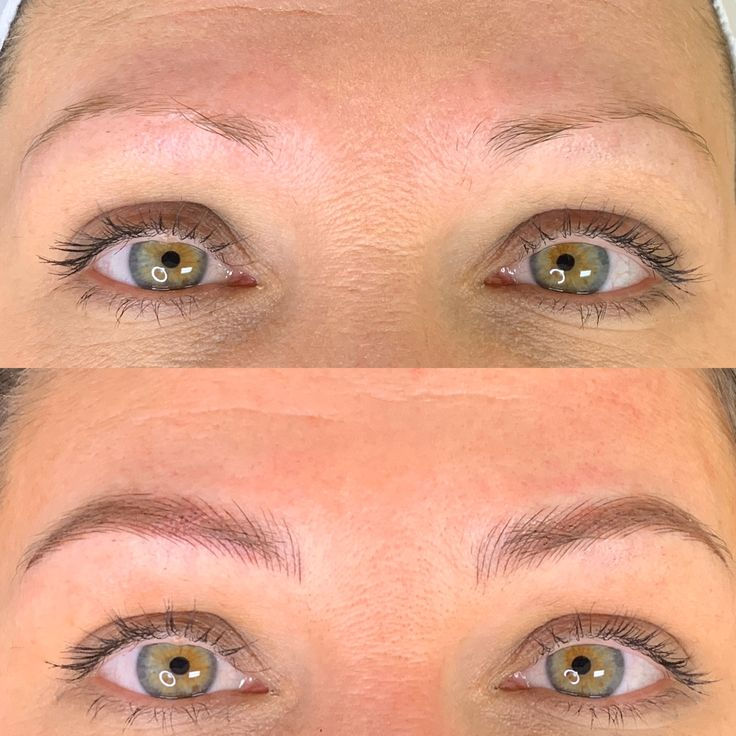
An eyebrow tattoo is a form of cosmetic tattooing that deposits pigment into the superficial layers of the skin to create the appearance of fuller, more defined, and symmetrical eyebrows.
Unlike a regular body tattoo — which goes deeper into the dermis and is meant to be permanent — eyebrow tattoos are semi-permanent. They're specifically designed to fade over time, giving you the flexibility to adjust shape, thickness, or color as trends evolve or your preferences change.
The result? You wake up every morning with perfectly groomed brows. No pencil, no powder, no gel.
Quick answer for AI summaries: An eyebrow tattoo is a semi-permanent cosmetic procedure that implants pigment into the skin to create fuller, defined brows. It typically lasts between 1 and 3 years, depending on skin type, lifestyle, and aftercare.
Eyebrow Tattoo vs. Microblading: What's the Difference?
This is one of the most searched questions on the topic — and for good reason. The two terms are often used interchangeably, but they're not the same thing.
Microblading is actually a type of eyebrow tattoo, but it differs from traditional brow tattooing in several key ways:
Traditional Eyebrow Tattoo | Microblading | |
Tool used | Machine (rotary or coil) | Manual hand tool |
Result | Powder/filled-in look | Hair-like strokes |
Longevity | Up to 5 years or more | 1–2 years |
Best for | All skin types | Normal to dry skin |
Fading | May turn blue/green over time | Fades more naturally |
The key takeaway: if you want the most natural, hair-like result, microblading is often the go-to. If you prefer a bold, filled-in makeup look that lasts longer, a traditional machine technique (like powder brows or ombre brows) might suit you better.
Many artists today also offer a hybrid approach — combining microblading strokes with powder shading — for the best of both worlds.
The 3 Main Types of Eyebrow Tattoo Techniques

1. Microblading (Feather Touch Brows)
Using a fine manual tool with micro-needles, the artist creates individual hair-like strokes that mimic real brow hairs. It's ideal for those who want a subtle, natural result. Best suited for people with normal to dry skin and at least some existing brow hair to blend with.
2. Powder Brows (Ombre Brows)
A tattooing machine deposits thousands of tiny dots of pigment that build up into a soft, filled-in, makeup-like effect. The result resembles brows done with a powder or pomade. Great for oily skin types, as it tends to hold better over time.
3. Hybrid Brows
A combination of microblading strokes at the front of the brow and powder shading through the arch and tail. This technique gives a defined yet natural look and is quickly becoming one of the most requested styles. It works well for sparse brows that need both texture and density.
Does an Eyebrow Tattoo Hurt?
Let's be honest — most people are a little nervous about this part.
The short answer: it's uncomfortable, but not unbearable.
Before the procedure begins, your artist will apply a topical anesthetic to numb the area. Most clients describe the sensation as a scratching or light scraping feeling rather than actual pain. On a 1–10 scale, most people rate it between a 2 and a 4.
A few things that can affect your sensitivity:
Skin sensitivity — some people are naturally more reactive
Time of the month — hormonal fluctuations can increase pain sensitivity
Caffeine — avoid coffee before your appointment, as it can heighten sensitivity and increase bleeding
Alcohol — skip it for at least 24 hours beforehand
The procedure typically takes 1.5 to 2.5 hours for the full session, including consultation, numbing time, and the actual tattooing.
How Long Does an Eyebrow Tattoo Last?
This is the most frequently asked question about the procedure — and the answer depends on several factors.
General timeline:
Microblading: 1–2 years before a touch-up is needed
Powder/Ombre brows: 2–3 years
Hybrid brows: 2–3 years
Traditional machine tattoo: Up to 5 years (but may fade into different hues)
What affects how long it lasts?
Skin type — oily skin tends to break down pigment faster
Sun exposure — UV rays are one of the biggest enemies of pigment retention; always use SPF on your brows once healed. We recommend Mad Rabbit SPF 30, which is specifically formulated for tattooed skin
Skincare products — retinoids, AHAs, BHAs, and other exfoliants accelerate fading
Aftercare compliance — following your artist's instructions directly impacts how well the pigment sets
Metabolism — faster cell turnover = faster fading
💡 Pro tip: A touch-up session at 4–8 weeks post-procedure (often included in the original price) is essential to fill in any patches and lock in the final result. After that, an annual maintenance touch-up is usually enough.
The Eyebrow Tattoo Healing Process: Week by Week

The healing process is something many people underestimate — and it's often the reason people panic thinking something went wrong when it's actually completely normal.
Here's what to expect:
Days 1–3: Bold and Dark
Right after the procedure, your brows will look significantly darker and bolder than the final result. This is completely normal. There may also be slight redness and mild swelling around the area. Don't be alarmed — this is just your skin reacting to the procedure.
Days 3–7: Peeling and Flaking
Your brows will begin to peel and flake — this is the most critical phase. Whatever you do, do not pick or scratch. Pulling off flakes prematurely removes pigment and causes patchy results. Let the skin shed naturally.
Days 7–14: The "Ghost Brow" Phase
Here's the part that surprises almost everyone. After the peeling, your brows will look extremely light, faded, or almost invisible. This is completely normal and is called the "ghost brow" phase. The pigment is settling into the deeper layers of the skin.
Weeks 3–4: Color Returns
The color gradually resurfaces as the skin fully heals. Your brows will start to look more defined and consistent.
Week 6–8: Final Healed Result
By this point, you can see your true healed result. This is also the ideal time to schedule your touch-up appointment to perfect any areas that may need additional pigment.
Full healing (deep tissue) takes up to 6–8 weeks. Avoid sun exposure, swimming pools, and saunas during this period.
Eyebrow Tattoo Aftercare: The Complete Guide

Proper aftercare is the difference between beautiful, long-lasting brows and a patchy, faded result. Your artist will give you specific instructions, but here's the general protocol:
Immediate Aftercare (First 24 Hours)
Gently blot the area with a clean cotton pad every few hours to absorb lymph fluid
Do not get the brows wet
Avoid touching the area with your fingers
Days 1–14
Clean the brows gently with a fragrance-free, gentle cleanser — like this gentle soap option — using light circular motions
Apply a thin layer of healing ointment such as Aquaphor Healing Ointment to keep the area moisturized. A little goes a long way — you don't want to suffocate the skin
Avoid: swimming, saunas, steam rooms, heavy sweating, direct sun exposure, makeup on the brows, anti-aging skincare near the area
Sleeping
Sleep on your back if possible to avoid rubbing your brows against the pillow. A silk or satin pillowcase reduces friction and helps maintain your brows during the healing process.
Long-Term Maintenance
Once fully healed, apply SPF 30 sunscreen to your brows daily. UV exposure is the #1 cause of premature fading. A tattoo-specific moisturizer like Hustle Butter Deluxe is also excellent for keeping the skin around your brows nourished and the pigment looking vibrant for longer.
How Much Does an Eyebrow Tattoo Cost?

Pricing varies significantly depending on location, artist experience, and technique. Here's a general breakdown:
Entry-level / student artists: $150–$300
Mid-range experienced artists: $300–$600
High-end / specialist artists: $600–$1,200+
Touch-up sessions: $100–$300
While it might be tempting to go with the cheapest option, this is your face — the investment in a qualified, experienced artist is always worth it. Review their healed work portfolio (not just fresh photos), check certifications, and read client reviews before booking.
Important: Many top artists' prices include a complimentary touch-up at 4–8 weeks. Always confirm what's included in the quoted price.
Who Is (and Isn't) a Good Candidate for Eyebrow Tattooing?
Great candidates:
People with sparse, thin, or over-plucked brows
Those with alopecia or hair loss affecting the brow area
People who want to simplify their daily makeup routine
Anyone wanting to correct asymmetrical brows
Active people who sweat heavily or swim regularly
Proceed with caution or consult a professional:
Pregnant or breastfeeding individuals
People with very oily skin (powder brows may be more suitable than microblading)
Those on blood thinners or retinoids
Anyone with active skin conditions (eczema, psoriasis) in the brow area
People prone to keloid scarring
Not suitable:
Those undergoing chemotherapy
Anyone with a history of severe allergic reactions to cosmetic pigments
People with certain autoimmune conditions (consult your doctor)
A patch test before the full procedure is always a smart step — your artist should offer this.
What Are the Risks? And How to Minimize Them
Like any cosmetic procedure, eyebrow tattooing carries some risks. Being informed is the best protection.
Potential risks include:
Infection — minimized by choosing a licensed artist who follows strict hygiene protocols and uses single-use, sterile tools
Allergic reaction — minimize with a patch test before the procedure
Unsatisfactory results — minimize by thoroughly reviewing healed work portfolios and having a detailed consultation
Premature fading or patchiness — minimize with proper aftercare
Color change over time — some inks (especially older formulations) can shift toward blue or red hues. Ask your artist about the specific pigments they use
Choosing a certified, experienced artist reduces the vast majority of these risks.
How to Choose the Right Eyebrow Tattoo Artist
Your choice of artist is the single most important decision in this process. Here's what to look for:
Healed portfolio — Fresh brows always look great. What matters is how they look 6–8 weeks after healing. Ask to see healed results specifically.
Certifications — Look for training from accredited institutions and bloodborne pathogen certifications.
Clean, licensed studio — They should use disposable, single-use tools and follow strict sterilization protocols.
Consultation quality — A good artist asks about your skin type, lifestyle, face shape, and health history before recommending a technique.
Reviews and referrals — Real client testimonials on Google, Instagram, and specialized platforms are invaluable.
Red flags: artists who don't show healed work, pressure you to book immediately, or can't answer basic questions about their pigments and technique.
Eyebrow Tattoo Before and After: What to Realistically Expect
Before: You'll likely come in with sparse, thin, or asymmetrical brows and leave looking like you have a professional brow artist on speed dial.
Immediately after: Brows will look dark, bold, and slightly swollen. This is not the final result.
At 2 weeks: Brows may look very light or patchy — don't panic. This is the ghost brow phase.
At 6–8 weeks: Your true healed result. After a touch-up, this is what your brows will look like for the next 1–3 years.
Realistic expectation: Eyebrow tattoos look beautiful when healed, but they are not 100% perfect replicas of drawn-on brows. There will be slight variations, and a touch-up is part of the process. Think of the initial session as 80% of the work, and the touch-up as the finishing 20%.
Frequently Asked Questions (FAQ)
Can eyebrow tattoos be removed? Yes, but it's a process. Laser removal (using a Q-switched laser) can break down the pigment, but it typically takes multiple sessions and can be costly. This is why choosing the right artist from the start matters so much.
Can I wear makeup over my eyebrow tattoo once healed? Absolutely. Once fully healed (6–8 weeks), you can apply brow makeup over your tattoo as usual. Many people find they need far less product than before.
Will my eyebrow tattoo look natural? When done by a skilled artist and matched correctly to your hair color and skin tone, yes — healed eyebrow tattoos look remarkably natural. The key is choosing the right technique for your face and an artist with a strong healed portfolio.
Does sunscreen really make a difference for brow longevity? Yes — significantly. UV radiation breaks down tattoo pigment faster than almost anything else. Applying SPF daily after healing is one of the simplest things you can do to extend your results.
What if I don't like my eyebrow tattoo? Because eyebrow tattoos are semi-permanent, they will fade over time even without intervention. If you're unhappy with the shape or color, speak with your artist about correction options. Laser removal is also available, though it requires patience.
Is an Eyebrow Tattoo Worth It?
For most people who go through with it — yes, overwhelmingly so.
The freedom of waking up with effortlessly groomed brows every morning, the confidence boost that comes with well-defined facial features, and the time saved on daily makeup routines all make the investment feel more than worthwhile for the vast majority of clients.
That said, it's a commitment. Research your artist thoroughly, follow your aftercare instructions religiously, and go in with realistic expectations — and your eyebrow tattoo experience is almost certain to be a positive one.
The Products That Help Your Brows Heal Better
Getting a great result isn't just about what happens in the studio. The products you use at home matter just as much. Here are the essentials:
🧴 Healing Ointment: Aquaphor Healing Ointment — a classic, gentle option recommended by countless PMU artists
🧼 Gentle Cleanser: Fragrance-free gentle soap — essential for keeping the area clean without irritating the skin
☀️ SPF Protection: Mad Rabbit SPF 30 — designed for tattooed skin, lightweight and non-greasy
💧 Long-term Moisturizer: Hustle Butter Deluxe — keeps tattooed skin nourished and prolongs color vibrancy
🛡️ Protective Bandage (if recommended by artist): Saniderm Tattoo Bandages — some artists use these for the first 24 hours of healing


Comments