
80+ Small Tattoos for Men: Minimalist Ideas, Meanings & Placements

Updated: Aug 21
In recent years, small tattoos for men have surged in popularity, offering a perfect blend of self-expression and subtlety. From simple tattoos that pack a powerful punch to discreet designs that hold deep personal meaning, tiny tattoos for guys have become a go-to choice for those looking to dip their toes into the world of body art. Whether you're considering your first ink or adding to an existing collection, small tattoos provide endless possibilities for creativity and personalization.
This comprehensive guide explores the world of minimalist tattoos for men, covering everything from trendy designs to ideal placements. We'll delve into the art of creating meaningful small tattoos that speak volumes without taking up much skin real estate. Whether you're drawn to fine line tattoos, small symbol tattoos, or intricate dot work, this article will help you navigate the exciting realm of small-scale body art.
Table of Contents:
From minimalist animals to geometric shapes, we'll explore a wide range of small tattoo ideas that cater to various tastes and preferences. We'll also address practical concerns such as pain levels, healing time, and workplace acceptability, ensuring you have all the information needed to make an informed decision about your small tattoo.
Whether you're looking for a discreet tattoo that can be easily concealed or a small yet impactful design that makes a statement, this guide will help you find the perfect small tattoo to express your individuality. Let's dive into the world of small tattoos for men and discover how these tiny works of art can make a big impact. Small Tattoos for Men: The Ultimate Guide to Minimalist Body Art
1. Popular Small Tattoo Designs for Men

Small tattoos for men have become increasingly popular, offering a subtle yet powerful way to express individuality. These minimalist designs pack a punch without overwhelming the skin, making them perfect for first-time tattoo enthusiasts or those looking to add to their collection discreetly. One of the most sought-after categories in small tattoos for men is symbols and icons. These designs often carry deep personal meaning while remaining simple and elegant. Popular choices include anchors symbolizing stability, arrows representing direction or progress, and minimalist crosses for those wanting to express their faith subtly.
Geometric shapes have also gained significant traction in the world of small tattoos for men. These designs appeal to those who appreciate clean lines and mathematical precision. Simple triangles, circles, or more complex sacred geometry patterns can be incorporated into small tattoos, often symbolizing balance, unity, or the interconnectedness of all things. The beauty of geometric tattoos lies in their versatility – they can be as simple as a single shape or combined to create more intricate patterns, all while maintaining a small footprint on the skin.
For animal lovers, minimalist animal tattoos offer a way to pay homage to favorite creatures or spirit animals without committing to large, detailed designs. Popular choices include simple outlines of wolves symbolizing loyalty and independence, small bird silhouettes representing freedom, or minimalist lion designs for strength and courage. These tattoos can be done with just a few lines, capturing the essence of the animal while keeping the design small and subtle.
Text and quotes have always been popular in tattoo culture, and small tattoos for men are no exception. Short, meaningful words or phrases can make powerful statements when tattooed in a minimalist font. Many men opt for single words like "strength," "courage," or "resilience" in small, discreet locations. Others might choose significant dates, coordinates of special places, or short quotes that hold personal meaning. The key to successful text tattoos is choosing a font that remains legible even at a small size.
Nature-inspired designs offer another rich source of ideas for small tattoos. Minimalist representations of mountains can symbolize overcoming challenges, while simple wave designs might represent a love for the ocean or a go-with-the-flow attitude. Tiny tree designs can symbolize growth and strength, and small leaf tattoos might represent new beginnings or connection to nature. These nature-inspired small tattoos allow men to carry a piece of the natural world with them always, serving as a reminder of their connection to the environment.
Celestial elements have become increasingly popular in small tattoos for men, offering a touch of mystery and wonder. Minimalist moon phases, tiny star constellations, or simple sun designs can be beautifully executed in small scale. These tattoos often represent guidance, dreams, or the vastness of the universe. Some men choose to get the constellation of their zodiac sign as a small tattoo, adding a personal touch to the celestial theme.
When considering small tattoo designs, it's important to remember that simplicity is key. The best small tattoos for men are those that convey meaning or aesthetic appeal without relying on intricate details that might not translate well to a small scale. Working with a skilled tattoo artist who specializes in minimalist designs can help ensure that your chosen design maintains its impact even at a smaller size.
It's also worth noting that small tattoos offer the advantage of being easily incorporated into larger pieces later if desired. A small symbol can become the centerpiece of a larger design, or multiple small tattoos can be connected to create a cohesive sleeve or chest piece. This scalability makes small tattoos an excellent choice for men who are unsure about committing to larger pieces or who want to start small and potentially expand their tattoo collection over time.
Remember, the most successful small tattoos for men are those that hold personal significance. While trends can provide inspiration, choosing a design that resonates with your own experiences, beliefs, or aesthetic preferences will ensure that your tattoo remains meaningful long after the initial excitement of getting inked has faded. Take time to consider what you want your small tattoo to represent and how it fits into your overall style and self-expression.
2. Best Placement Ideas for Small Men's Tattoos

The placement of a small tattoo can significantly impact its overall look and meaning, making this decision just as important as the design itself. For men seeking discreet yet stylish tattoo placements, several areas of the body offer ideal canvases for small designs. One of the most popular locations for small tattoos on men is the wrist and forearm area. This placement offers high visibility when desired, but can also be easily covered with a watch or long-sleeved shirt. Small tattoos on the inner wrist can serve as personal reminders, visible to the wearer throughout the day, while outer forearm placements can showcase the design more publicly.
--
The ankle and calf region provides another excellent location for small tattoos on men. These areas offer a good balance of visibility and discretion, making them perfect for those who want the option to show off their ink or keep it hidden. Small ankle tattoos can peek out from under socks or remain concealed, depending on footwear choices. Calf tattoos, while slightly more visible, still offer the option of concealment and can be an excellent spot for slightly larger "small" designs that require a bit more space.
For those seeking a more intimate placement, the chest and collarbone area offers a canvas that's both personal and potentially public. Small tattoos over the heart can hold deep emotional significance, while designs along the collarbone can create a subtle yet striking visual effect. These placements are particularly popular for text tattoos or small symbolic designs that hold personal meaning. The ability to easily conceal these tattoos under clothing makes them a good choice for men who need to maintain a conservative appearance in professional settings.
Behind the ear has become an increasingly popular spot for small tattoos on men, offering a unique and somewhat edgy placement. This location is perfect for tiny, delicate designs and can be easily hidden by hair for those with longer styles. Behind-the-ear tattoos often hold special significance, symbolizing something always on the wearer's mind. While this placement can be more painful due to the thin skin and proximity to bone, the small size of the tattoo usually means a quick and manageable tattooing process.
Fingers and hands have seen a surge in popularity for small tattoos, particularly with the rise of minimalist and micro tattoo trends. Tiny symbols or letters on the fingers can be deeply personal and easily displayed or hidden as needed. However, it's important to note that hand and finger tattoos tend to fade more quickly than those on other parts of the body due to frequent use and exposure. This placement may require more frequent touch-ups to maintain the crispness of the design.
When considering placement for a small tattoo, it's crucial to think about both the immediate visual impact and the long-term implications. Factors such as pain tolerance, profession, personal style, and the size of the desired design all play a role in choosing the perfect location. Some placements, like the ribs or ankles, may be more painful to tattoo but offer unique aesthetic benefits. Others, like the forearm or wrist, may be less painful and offer easier healing but might be more visible in professional settings.
It's also worth considering how the placement might affect the tattoo's longevity. Areas that see a lot of movement or friction, such as hands, feet, or joints, may require more frequent touch-ups to maintain crisp lines and clear details. Sun exposure is another factor to consider, as tattoos in frequently exposed areas may fade more quickly without proper care and protection.
Ultimately, the best placement for a small tattoo is one that feels personally meaningful and comfortable for you. Many men choose locations that allow them to see their tattoo easily, drawing daily inspiration from the design. Others prefer more private placements, keeping their ink as a personal secret. Consulting with an experienced tattoo artist can provide valuable insights into how different placements will look on your specific body type and how they might age over time.
Remember, the placement of your small tattoo contributes significantly to its overall impact and meaning. A tiny symbol behind your ear tells a different story than the same design on your wrist. Take time to consider various options, perhaps even trying out temporary tattoos or drawings in different locations to get a feel for how the placement works with your body and lifestyle. With careful consideration, you can choose a placement that enhances the beauty of your small tattoo and ensures it remains a cherished piece of personal artwork for years to come.
3. Tattoo Styles Suitable for Small Designs


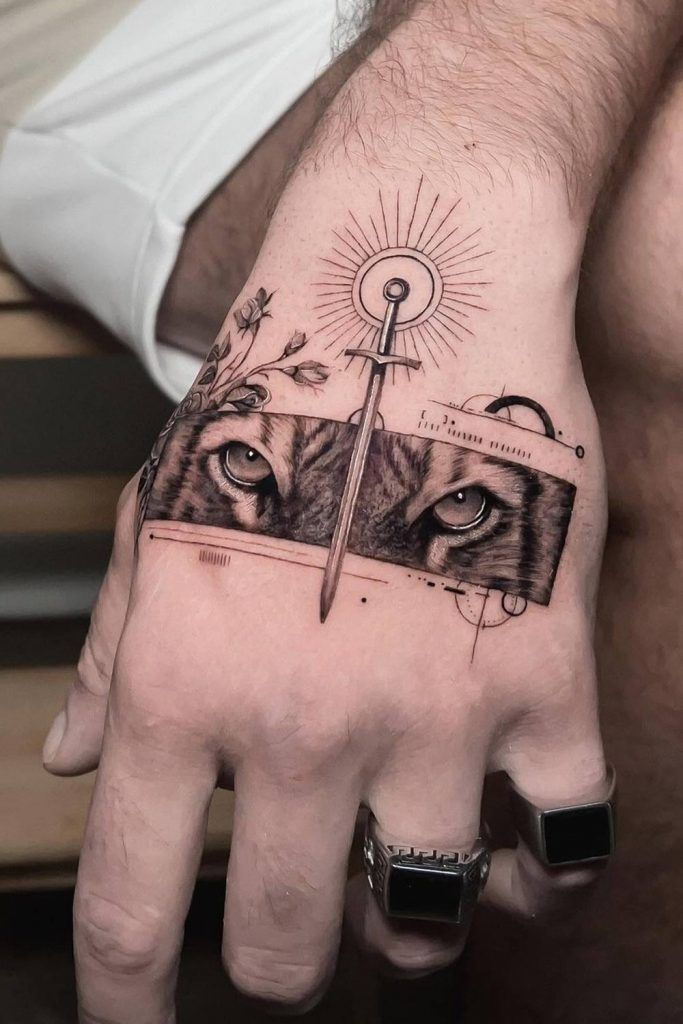


When it comes to small tattoos for men, certain styles lend themselves particularly well to miniature designs, allowing for maximum impact in minimal space. One of the most popular and effective styles for small tattoos is fine line work. This technique uses thin, delicate lines to create intricate designs that remain clear and legible even at a small scale. Fine line tattoos are perfect for detailed symbols, minimalist portraits, or delicate nature-inspired designs. The precision required for fine line work demands a skilled artist, but the results can be breathtakingly beautiful, with designs that look almost like pen drawings on the skin.
Dot work is another technique that translates exceptionally well to small tattoos. This style uses countless tiny dots to create shading, texture, and depth within a design. Dot work can be used to create stunning gradients and intricate patterns, making it ideal for geometric designs or adding texture to simple shapes. The versatility of dot work allows for a range of effects, from subtle shading to bold, high-contrast designs. For men seeking a small tattoo with a unique texture and visual interest, dot work offers an excellent option.
Blackwork, characterized by solid black ink and bold designs, can be surprisingly effective for small tattoos. While often associated with larger pieces, blackwork techniques can create striking small tattoos with strong visual impact. Simple silhouettes, bold symbols, or small abstract designs rendered in solid black can stand out beautifully against the skin. The contrast and simplicity of blackwork ensure that these small tattoos remain clear and impactful over time, with minimal risk of blurring or fading.
For those seeking a softer, more artistic approach to small tattoos, watercolor techniques can create stunning miniature works of art. While traditionally associated with larger, more abstract pieces, skilled artists can adapt watercolor techniques to small designs, creating delicate washes of color that blend seamlessly with fine line work. Small watercolor tattoos can add a splash of color and artistic flair to minimalist designs, perfect for men who want to incorporate a touch of vibrancy into their ink.
Minimalist realism is a style that has gained popularity in recent years, particularly for small tattoos. This approach takes realistic subjects and strips them down to their essential elements, creating recognizable images with minimal detail. Small realistic tattoos require exceptional skill from the artist to capture likeness and detail in a limited space. When executed well, these tattoos can be incredibly impactful, offering a window into larger scenes or capturing the essence of complex subjects in miniature form.
When choosing a style for your small tattoo, it's important to consider not only the aesthetic appeal but also how the style might age over time. Some styles, like blackwork and fine line, are known for their longevity, while others, like watercolor, may require more maintenance to keep their original appearance. It's also worth researching tattoo artists who specialize in your preferred style for small designs, as working in miniature requires specific skills and experience.
The choice of style can significantly impact the mood and message of your small tattoo. A delicate fine line piece might convey a sense of fragility or intricacy, while a bold blackwork design could express strength and decisiveness. A dot work tattoo might suggest patience and attention to detail, while a watercolor piece could represent fluidity and artistic expression.
Remember, these styles can also be combined to create unique, hybrid designs. For example, you might choose a primarily fine line design with dot work accents, or a minimalist realistic piece with a splash of watercolor. The possibilities are vast, allowing you to create a small tattoo that perfectly captures your vision and personal style.
As you explore different styles for your small tattoo, don't hesitate to gather inspiration from various sources. Look at tattoo artists' portfolios, focusing on their small-scale work. Sometimes, the perfect style for your small tattoo might be one you hadn't initially considered, so keep an open mind throughout the design process.
Ultimately, the style of your small tattoo should resonate with you on a personal level. It should feel like an authentic expression of your aesthetic preferences and the message you want to convey. By carefully considering the various stylistic options available, you can ensure that your small tattoo is not just a tiny design, but a powerful statement of personal art that you'll cherish for years to come.
4. Customizing Your Small Tattoo

Customizing a small tattoo allows you to create a deeply personal and unique piece of body art that resonates with your individual story and experiences, even within the constraints of a miniature design. One of the most effective ways to personalize a small tattoo is by incorporating elements that hold special meaning to you. This could include integrating your initials or those of loved ones into a design, incorporating symbols that represent important life events, or adapting emblems from your cultural or family heritage. The key is to work with your tattoo artist to distill these personal elements down to their most essential forms, ensuring they remain clear and impactful at a small scale.
Color choice plays a significant role in customizing small tattoos and can dramatically alter the mood and meaning of the design. While many small tattoos are done in black ink for simplicity and longevity, incorporating color can add depth and personal significance to your design. Consider colors that hold meaning for you or that complement your skin tone. Remember that in small tattoos, a little color can go a long way – even a small pop of red or blue in an otherwise black design can create a striking effect. It's important to discuss color options with your artist, as some colors may not hold up as well over time in small, detailed designs.
When customizing a small tattoo, consider how you can use negative space creatively. Negative space refers to the untattooed skin within or around your design, which can be just as important as the inked areas in creating the overall effect. Clever use of negative space can make a small tattoo appear larger or more complex than it actually is. For example, a simple outline of a shape with strategic gaps can suggest a more detailed image, allowing the viewer's mind to fill in the blanks.
Scaling designs for small spaces requires careful consideration and often some creative problem-solving. If you have a larger design in mind that you want to adapt to a small tattoo, work with your artist to identify the most essential elements of the design. What are the key lines or shapes that make the design recognizable? How can these be simplified without losing the essence of the original concept? Sometimes, focusing on a single, powerful element of a larger design can create a more impactful small tattoo than trying to include every detail.
Another way to customize your small tattoo is by considering its placement in relation to your body's natural lines and contours. A small design that follows the curve of your collarbone or the line of your wrist can appear more integrated with your body, enhancing its overall effect. Similarly, consider how your small tattoo might interact with any existing tattoos or how it could be part of a larger plan for future tattoos. Even if you're starting with just one small piece, thinking about how it might fit into a broader vision can help create a more cohesive overall look if you decide to add more tattoos later.
When customizing your small tattoo, don't underestimate the power of fine details. Even in a tiny design, small elements like texture, shading, or minute linework can add depth and complexity. Discuss with your artist how techniques like stippling, fine line variation, or strategic use of white ink can enhance your design. These subtle additions can make the difference between a simple small tattoo and a true miniature work of art.
Remember that customizing a small tattoo often requires a delicate balance between personal meaning and aesthetic impact. While it's tempting to try to include many significant elements, overcrowding a small design can make it less effective visually. Sometimes, the most powerful small tattoos are those that convey complex meanings through simple, elegant designs. Trust in the power of symbolism and abstraction to convey your ideas without cluttering the tattoo.
Lastly, consider how your small tattoo might evolve or be added to over time. Some people choose to start with a small, simple design with the intention of expanding or embellishing it later. Discuss with your artist how your initial small tattoo could be incorporated into a larger piece or how it might pair with additional small tattoos to create a cohesive collection. This forward-thinking approach can help ensure that your small tattoo remains a cherished part of your body art journey for years to come.
When customizing your small tattoo, it's essential to work closely with a skilled tattoo artist who understands both the technical challenges of working in miniature and the importance of personal meaning in tattoo design. Be open to their suggestions and expertise, as they can offer valuable insights into what works best in small-scale tattoos. Don't be afraid to take time in the design process, refining your ideas and exploring different customization options until you feel confident that the design perfectly captures your intended meaning and aesthetic preferences.
Remember, a well-customized small tattoo is more than just a tiny design – it's a personal statement and a lifelong companion that reflects your unique journey and individuality. Whether you choose a simple symbol infused with personal meaning or a more complex miniature scene, your customized small tattoo should be a design that you'll be proud to wear and find meaning in for years to come.
5. Small Tattoo Aftercare

Proper aftercare is crucial for ensuring that your small tattoo heals beautifully and maintains its clarity and vibrancy for years to come. The aftercare process for small tattoos is similar to that of larger pieces, but the smaller size can sometimes make them more delicate during the healing process. The journey begins immediately after your tattoo session and continues for several weeks as your skin heals. Initially, your tattoo artist will cover the fresh tattoo with a sterile bandage or wrap. It's important to leave this covering on for the amount of time recommended by your artist, typically a few hours to a day, depending on the size and location of the tattoo.
Once you remove the initial covering, gently wash the tattoo with lukewarm water and an unscented, antibacterial soap. Pat the area dry with a clean, soft towel – never rub a fresh tattoo, as this can irritate the skin and potentially damage the design. After cleaning, apply a thin layer of tattoo aftercare product. Mad Rabbit Tattoo Balm & Aftercare Cream is an excellent choice for this stage, as it's formulated specifically for tattoo healing and contains natural ingredients that soothe the skin and promote healing. Apply the balm sparingly – your tattoo needs to breathe to heal properly, and over-moisturizing can lead to problems.
During the first few days, you'll need to clean your tattoo and apply aftercare product 2-3 times daily. It's normal for the tattoo to feel warm and appear red and swollen initially. You may also experience some oozing of plasma and excess ink – this is part of the normal healing process. However, if you notice excessive redness, swelling, or any signs of infection, contact your tattoo artist or a healthcare professional immediately. Small tattoos can be particularly susceptible to infection due to their size, so it's crucial to monitor the healing process closely.
As your tattoo heals, it will begin to form scabs and peel. This usually starts around day 3-5 and can continue for up to two weeks. It's crucial to resist the urge to pick or scratch at these scabs, as doing so can remove ink and lead to scarring or patchy healing. This is especially important for small tattoos, where even minor ink loss can significantly impact the overall design. Instead, continue with your gentle cleaning routine and application of aftercare product. Mad Rabbit Tattoo Balm can be particularly helpful during this stage, as it helps to relieve itching and keeps the skin moisturized, reducing the likelihood of excessive scabbing.
Throughout the healing process, it's important to protect your new tattoo from sunlight and avoid submerging it in water. This means no swimming, long baths, or saunas until the tattoo is fully healed. When showering, try to avoid directing water directly onto the tattoo. If you must be in the sun, cover the tattoo with clothing or a bandage. Once the tattoo is healed, always use a high SPF sunscreen on the tattooed area when exposed to sunlight to prevent fading. This is particularly important for small tattoos, as their intricate details can be more susceptible to sun damage and fading.
Long-term care of your small tattoo involves keeping the skin moisturized and protected from the sun. Continue using a product like Mad Rabbit Tattoo Balm regularly to keep the tattooed skin hydrated and the design crisp. This ongoing care is especially important for small tattoos, as their fine details and potentially delicate linework can lose clarity over time if not properly maintained.
Touch-up considerations are particularly relevant for small tattoos.
Due to their size and often intricate nature, small tattoos may require touch-ups more frequently than larger pieces to maintain their clarity and sharpness. Factors like placement (areas with frequent friction or sun exposure), skin type, and the intricacy of the design can all influence how well a small tattoo holds up over time. Be prepared for the possibility of needing touch-ups every few years to keep your small tattoo looking its best.
Remember, everyone's skin heals differently, and factors like tattoo placement, your overall health, and how well you follow aftercare instructions can affect the healing process. Always follow the specific aftercare instructions provided by your tattoo artist, and don't hesitate to reach out to them if you have any concerns during the healing process.
By following these aftercare guidelines and maintaining long-term care, you can ensure that your small tattoo heals properly and remains a beautiful and meaningful piece of art for years to come. Your dedication to aftercare will help preserve the intricate details and overall impact of your small design, allowing it to continue telling your unique story through this miniature masterpiece on your skin.
6. Small Tattoo FAQs for Men

When considering getting a small tattoo, men often have a range of questions about the process, pain levels, and long-term considerations. One of the most common queries is about pain levels during the tattooing process. The good news is that small tattoos generally involve less pain and discomfort compared to larger pieces, simply due to the reduced time under the needle. However, pain levels can still vary significantly depending on the placement of the tattoo. Areas with more flesh and muscle, such as the outer forearm or upper arm, tend to be less painful.
More sensitive areas like the wrist, ankle, or ribs can be more uncomfortable. It's important to remember that pain is subjective, and what one person finds unbearable, another might find totally manageable.
The healing time for a small tattoo is typically shorter than for larger pieces, but it still requires patience and careful attention. On average, the initial healing process takes about 2-3 weeks. During this time, the tattoo will go through several stages, including scabbing and peeling.
However, it's important to note that while the surface may appear healed after a few weeks, the deeper layers of skin continue to heal for up to 6 months. This is why it's crucial to continue caring for your tattoo even after it appears healed on the surface. Small tattoos may heal slightly faster due to the reduced area of skin trauma, but they still require the same level of care as larger pieces to ensure optimal healing and longevity.
Cost is another frequently asked question when it comes to small tattoos. While small tattoos are generally less expensive than larger pieces, the price can still vary widely based on factors such as the complexity of the design, the experience and reputation of the artist, and the location of the tattoo studio. Many studios have a minimum charge for tattoos, regardless of size, which typically ranges from $50 to $100. More intricate small designs or those requiring specialized techniques might cost more. It's important to remember that a tattoo is a permanent investment in your body art, and choosing an artist based solely on low prices can be risky. Always prioritize quality and safety over cost, even for small tattoos.
Workplace acceptability is a common concern for men considering small tattoos. While attitudes towards tattoos have become more relaxed in many professional environments, it's still important to consider your current and potential future career paths. The advantage of small tattoos is that they can often be easily concealed if necessary. Popular placements like the wrist, ankle, or upper arm can be covered by clothing in more conservative work environments. If you're concerned about workplace perceptions, consider placing your small tattoo in an area that can be easily hidden. Alternatively, you might opt for designs that are less likely to be seen as controversial or unprofessional.
Many men ask about the longevity of small tattoos, particularly those with fine lines or intricate details. Over time, tattoos can naturally fade and blur slightly due to factors like sun exposure, skin aging, and lifestyle habits. Small tattoos with very fine lines or tiny details may require touch-ups over the years to maintain their crispness. When choosing your small tattoo design, consider how it might age and opt for designs with clear lines and sufficient spacing to ensure longevity. Regular moisturizing and sun protection can help maintain the vibrancy of your tattoo.
Another common question concerns the possibility of expanding small tattoos in the future. Many men start with a small tattoo with the idea of potentially adding to it later. This is absolutely possible and can be a great way to start your tattoo journey. Discuss your future plans with your tattoo artist, as they can help design your small tattoo in a way that allows for easy expansion or incorporation into a larger piece later on. Some men choose to create collections of small tattoos that can be connected or expanded over time, while others might use a small tattoo as a centerpiece for a larger design.
Lastly, many ask about the symbolism and meaning behind popular small tattoo designs. While there are some common interpretations (such as anchors representing stability or arrows symbolizing direction), the meaning of your small tattoo is ultimately personal. Some men choose specific imagery to represent aspects of their personality, life experiences, or beliefs. Others might be drawn to certain designs purely for their aesthetic appeal. When choosing your small tattoo, consider what the design means to you personally and how you want to express that meaning through your tattoo.
Remember, while these answers provide general guidance, every tattoo experience is unique. It's always best to discuss your specific concerns and questions with a professional tattoo artist. They can provide personalized advice based on your chosen design, placement, and individual circumstances. With proper research, preparation, and aftercare, your small tattoo can be a beautiful and meaningful addition to your body art collection, serving as a constant expression of your personality and style in a compact, versatile format.
8. Choosing the Right Artist for Small Tattoos

Selecting the right tattoo artist is crucial when getting a small tattoo, as working in miniature requires a specific set of skills and expertise. While many tattoo artists are capable of creating beautiful large-scale pieces, not all have the precision and attention to detail necessary for executing small tattoos effectively. When searching for an artist for your small tattoo, look for someone who specializes in fine details and has a portfolio that showcases their ability to create crisp, clear designs at a small scale.
One of the most important factors to consider when choosing an artist for a small tattoo is their specialization in fine line work. Artists who excel in this technique are often best suited for creating small tattoos, as they have the steady hand and precision required to execute intricate designs in a limited space. Look for artists who have experience with single-needle techniques, as this method allows for the creation of extremely fine lines and delicate details that are crucial in small tattoo designs.
Portfolio evaluation is a critical step in selecting the right artist for your small tattoo. When reviewing an artist's work, pay close attention to their small-scale pieces. Look for clarity in the lines, crispness in the details, and overall precision in execution. A good portfolio for small tattoos should demonstrate the artist's ability to create a range of designs – from simple symbols to more complex miniature scenes – all while maintaining clarity and impact at a small size. Don't hesitate to ask artists if they have healed photos of their small tattoos, as this can give you a better idea of how their work holds up over time.
The importance of a consultation cannot be overstated when it comes to small tattoos. This meeting allows you to discuss your ideas with the artist, get their input on design and placement, and assess their understanding of the unique challenges posed by small tattoos. During the consultation, pay attention to how the artist communicates. Do they listen to your ideas and offer constructive suggestions? Are they able to explain their approach to creating small tattoos and how they ensure longevity in miniature designs? A good artist for small tattoos should be able to guide you in refining your idea to work best at a small scale.
When discussing your small tattoo with potential artists, don't be afraid to ask about their specific experience with the style or design you're interested in. Some artists may specialize in certain types of small tattoos, such as fine line work, dot work, or miniature realism. Finding an artist whose expertise aligns with your desired style can significantly impact the quality of the final tattoo.
It's also important to consider the artist's approach to tattoo placement for small designs. An experienced artist should be able to advise you on the best locations for your small tattoo based on factors like skin texture, natural body contours, and how the tattoo might age in different areas. They should also be able to discuss how the placement might affect the tattoo's visibility and any potential professional considerations you might have.
While skill and experience are crucial, don't underestimate the importance of a good rapport with your chosen artist. Small tattoos often require a high level of trust, as even minor errors can be quite noticeable in miniature designs. Choose an artist who makes you feel comfortable, listens to your concerns, and is willing to work with you to create the perfect small tattoo.
Consider the artist's studio environment as well. For small tattoos, cleanliness and proper lighting are particularly important. The studio should be well-lit and immaculately clean, with proper sterilization procedures clearly in place. This is crucial for any tattoo, but especially for small pieces where precision is key.
Don't rush the process of finding the right artist for your small tattoo. Take the time to research multiple artists, read reviews, and if possible, speak with people who have gotten small tattoos from the artists you're considering. Remember that a good artist for large tattoos might not necessarily be the best choice for small, intricate work. Be willing to travel or wait for an appointment with the right artist – the quality of a small tattoo is worth the extra effort.
Pricing should be a consideration, but not the deciding factor. While small tattoos are generally less expensive than larger pieces, be wary of prices that seem too good to be true. Extremely low prices might indicate a lack of experience or the use of subpar equipment or inks. Remember that you're not just paying for the tattoo itself, but for the artist's skill, experience, and the assurance of a safe, hygienic procedure.
Lastly, trust your instincts. If an artist is dismissive of your ideas for a small tattoo or seems uninterested in the intricacies of working at a small scale, they might not be the right fit. The best artist for your small tattoo will be someone who shares your enthusiasm for the project and is committed to creating a miniature work of art that you'll be proud to wear for years to come.
9. Conclusion

Small tattoos for men have emerged as a powerful form of self-expression, offering a perfect balance between subtlety and significance. Throughout this guide, we've explored the diverse world of small tattoos, from popular designs and placement ideas to style considerations and aftercare. We've seen how these miniature works of art can carry deep personal meaning, showcase intricate artistry, and allow for versatile self-expression in a compact format.
The appeal of small tattoos lies in their versatility and accessibility. They offer an excellent entry point for those new to tattoos, allowing for meaningful body art without the commitment of larger pieces. For tattoo enthusiasts, small designs provide opportunities to add to existing collections or experiment with new styles and placements. The ability to easily conceal or display small tattoos also makes them an attractive option for men who need to balance personal expression with professional appearances.
We've discussed the importance of choosing the right design, placement, and artist for your small tattoo. Remember that while trends and celebrity inspirations can provide ideas, the most meaningful tattoos are those that resonate with your personal story and aesthetic preferences. Take the time to carefully consider what you want your small tattoo to represent and how it fits into your overall style and self-expression.
The technical aspects of getting and caring for a small tattoo are crucial for ensuring its longevity and beauty. From selecting an artist skilled in fine detail work to following proper aftercare procedures, every step contributes to the success of your small tattoo. Products like Mad Rabbit Tattoo Balm & Aftercare Cream can play a vital role in the healing process and ongoing care of your small tattoo, helping to maintain its crispness and vibrancy over time.
As you consider getting a small tattoo, remember that this form of body art is more than just a trend – it's a timeless way to carry a piece of your story with you always. Whether you choose a simple symbol, a meaningful word, or a miniature scene, your small tattoo will be a personal emblem of who you are and what matters to you.
In conclusion, small tattoos offer men a world of possibilities for artistic expression and personal storytelling. They prove that size isn't everything when it comes to meaningful body art. With careful consideration, skilled execution, and proper care, your small tattoo can make a big impact, serving as a cherished form of self-expression for years to come. Whether it's your first tattoo or an addition to an existing collection, a small tattoo can be a powerful statement of individuality, a conversation starter, or a private reminder of what's important to you.
As you embark on your small tattoo journey, embrace the process of discovery and self-expression. Let your small tattoo be a reflection of your inner world, a celebration of what matters to you, and a personal emblem of your unique story. With thoughtful planning, skilled execution, and proper care, your small tattoo will not just be a tiny design on your skin, but a meaningful part of who you are – a small but significant mark that tells a big story about you.
See More: ⤵
Best Friend Tattoos: Celebrating the Unbreakable Bond of Friendship
Wave Tattoo: Unleashing the Power and Beauty of the Ocean on Your Skin
Wrist Tattoos: Meaningful Designs and Ideas for Your Next Ink
Halloween Tattoos: Spooky and Creative Ideas for Ink Enthusiasts
Japanese Tattoo: Exploring the Rich History and Symbolism of Irezumi
Infinity Tattoo Ideas: Endless Inspiration for Your Next Ink
Cat Tattoos: Meanings, Designs, and Ideas for Feline-Inspired Ink
Feather Tattoo: Meanings, Designs, and Ideas for Your Next Ink
Lotus Flower Tattoo: Meanings, Designs, and Ideas for Your Next Ink
Polynesian Tattoo: Unraveling the Meanings and Traditions Behind the Ancient Art
Birth Flower Tattoos: Celebrating Your Birthday with Floral Ink
Forearm Tattoos for Women: Embracing Femininity and Self-Expression
Head Tattoos for Guys: Bold Designs and Crucial Considerations
Forearm Tattoos: Unleashing Your Personal Style on Skin Canvas
Arm Tattoos: Your Ultimate Guide to Inked Sleeves and Beyond
Phoenix Tattoo: Rising from the Ashes with Stunning Design Ideas
Heart Tattoo: Meanings, Designs, and Ideas for Your Next Ink


Comments