
Snug Piercings for women: Everything You Need to Know
- Leonardo Pereira

- Jun 11
- 8 min read
Body piercings have long served as a powerful medium for personal expression and a bold fashion statement, transcending cultures and epochs. Among the myriad of options that punctuate one's individual style, the snug piercing stands out as a distinctive choice for enthusiasts and newcomers alike.
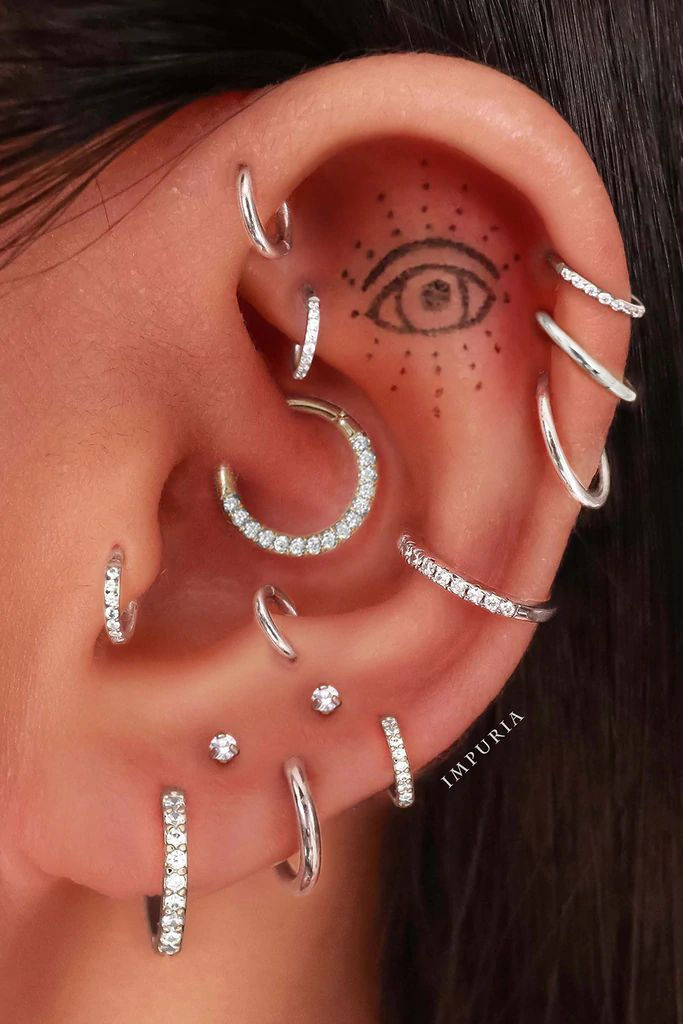
A snug piercing is an intricate form of ear piercing that passes through the antihelix of the ear, nestling itself in the snug, the inner cartilage area adjacent to the ear canal.
Its unique placement makes it both alluring and unconventional, a perfect blend of subtlety and statement.
In recent years, the snug piercing has seen a surge in popularity. It's not just a trend; it's a personal signature, a nod to the avant-garde, and a testament to the evolving landscape of body art.
Enthusiasts are drawn to its aesthetic appeal and the ability to customize it with an array of jewelry styles, making it a compelling choice for those looking to add an edge to their look.
Understanding Snug Piercings

The ear is a complex tapestry of folds and cartilage, offering a canvas for various artistic expressions in the form of piercings.
The snug piercing specifically targets the ear's antihelix, a ridge of cartilage parallel to the helix. This area, known for its thicker cartilage, sits above the earlobe and wraps around the ear's inner rim, creating a snug crease—hence the name.
The snug piercing traverses this area, sitting closer to the ear's outer edge, yet remains tucked away, offering a blend of prominence and subtlety. Its position is tailored to the unique anatomy of each individual, which means no two snug piercings are exactly alike, attributing to its bespoke charm.
Tracing the history of snug piercings is akin to navigating the intricate lineage of body modification. While specific documentation on the snug piercing's origins is sparse, it's widely acknowledged that the practice of ear piercing itself dates back thousands of years, with evidence found across ancient civilizations.
The snug piercing, however, is a relatively modern incarnation, gaining traction in the late 20th century as body modification culture began to flourish.
It emerged as a fresh and novel approach to ear piercings, appealing to those seeking a more unique expression that was not catered to by traditional lobe or helix piercings.
In comparison to other ear piercings, the snug piercing is often celebrated for its low-key visibility. It doesn't command the immediate attention that, say, an industrial or a conch piercing might, but rather invites a closer look, revealing its beauty in an understated manner.
This makes it particularly appealing to those who appreciate a more subtle form of adornment, or for individuals looking to complement their existing collection of ear piercings without overwhelming the aesthetic.
Additionally, the snug piercing is distinctive in its versatility. While other piercings are limited by their placement and the size of the jewelry they can accommodate, the snug piercing can support a range of jewelry types, from simple barbells to more intricate hoops and studs, adorned with gems or simple metallic finishes.
This versatility allows for a high degree of personalization, making each snug piercing a reflection of the wearer's taste and personality.
Lastly, snug piercings offer a unique narrative in the landscape of ear piercings. Unlike the lobe, which has been pierced since antiquity, or the helix, which saw a rise in popularity in the punk movements of the 1970s and 1980s, the snug piercing does not carry the weight of cultural or historical connotations.
It is a contemporary choice, rooted in modern self-expression and the movement towards individualized body art. It stands out for being part of a newer wave of piercings that push the boundaries of creativity and personal style.
The Snug Piercing Procedure

Continuing our exploration of snug piercings, it's important to understand the procedure itself, which should always be performed by a professional piercer. The process begins with a thorough cleaning of the ear to create a sterile environment.
Then, the piercer will mark the entry and exit points on the antihelix, often consulting with the client to ensure proper placement and satisfaction with the location.
After confirming the marks, the piercer uses a hollow needle to puncture the cartilage, swiftly and precisely, following which the chosen jewelry is inserted. It is a meticulous procedure that requires precision, given the snug piercing's specific placement within the ear's intricate cartilage structure.
When it comes to jewelry, the initial piece is typically a straight or curved barbell, chosen for its ease of insertion and its ability to accommodate swelling during the healing process. Barbells are also less likely to move around, which helps reduce irritation.
As snug piercings are prone to swelling, it's crucial to start with a longer bar to allow for this; the jewelry can later be downsized by a professional once the initial swelling has subsided.
The material of the jewelry is also important, with implant-grade titanium being a popular choice for its hypoallergenic properties and lightweight nature.
The healing process for snug piercings can be somewhat lengthy, generally taking anywhere from 3 to 6 months, and sometimes up to a year for complete healing.
During this time, it's normal to experience some redness, swelling, and tenderness.
A strict aftercare regime is crucial to ensure a smooth healing journey. This typically includes cleaning the piercing with a saline solution twice daily and avoiding unnecessary movement or trauma to the area.
It's also advised to avoid submerging the piercing in bodies of water like pools or hot tubs during the initial healing phase.
In the first few weeks, it's common for the snug piercing to seem quite swollen and sensitive, with the peak of this discomfort often occurring within the first 3 to 5 days post-piercing. As the weeks progress, these symptoms should gradually diminish.
However, due to its location within the dense cartilage, the snug piercing can be more prone to complications such as irritation bumps or prolonged healing times, emphasizing the need for diligent aftercare and patience.
It's essential to maintain a dialogue with your piercer throughout the healing process, making regular visits to ensure that the piercing is healing correctly and to address any concerns that may arise.
A professional can also guide when it may be appropriate to downsize the jewelry, a crucial step in the snug piercing's healing process. With proper care and attention, a snug piercing can evolve into a beautifully healed and distinctive addition to one's personal style.
Aftercare and Healing
After obtaining a snug piercing, adhering to a rigorous aftercare routine is pivotal for a smooth healing journey.
To start, it's crucial to clean the piercing twice daily with a sterile saline solution, which can be purchased as a ready-made spray or made at home by dissolving 1/4 teaspoon of non-iodized sea salt into one cup of warm distilled water.
During cleaning, gently apply the solution to the area with a clean gauze or paper towel, avoiding cotton swabs or balls that can leave fibers behind. It's important not to twist or turn the jewelry, as this can introduce bacteria and cause irritation.
One should be vigilant for potential healing complications, such as prolonged redness, swelling, excessive pain, or discharge, all of which could indicate an infection.
Additionally, snug piercings can sometimes develop irritation bumps due to their location.
If complications arise, it is essential not to remove the jewelry, which can cause the piercing to close and trap the infection inside.
Instead, seek advice from a professional piercer or a healthcare provider who can suggest appropriate measures, which may include a revised cleaning regimen or, in some cases, antibiotic treatment.
Regarding daily activities and maintenance, there are several tips to ensure a more comfortable healing process for your snug piercing:
Sleeping: To avoid unnecessary pressure on your new piercing, try to sleep on the opposite side or use a travel pillow, placing your ear in the hole to prevent contact with the pillow.
Showering: Be cautious when washing your hair or body to prevent products from getting into the piercing, as shampoos and soaps can cause irritation. It's also wise to rinse the piercing with clean water at the end of the shower to remove any residual product.
Hair and Headwear: Keep hair away from the piercing to prevent tangles and snags. Additionally, avoid wearing hats or headbands that put direct pressure on the piercing.
Telephones and Headphones: Use speakerphone or headphones that don't press against your piercing. If you must use a phone against your ear, use the side without the piercing.
Exercise: During physical activity, be mindful of the piercing and avoid activities that may involve contact or friction in the pierced area. Covering the piercing with a breathable, protective material can help during moderate exercise.
Remember, everyone's body is different, and healing times can vary. It's vital to maintain your aftercare routine consistently and to be patient with the process.
Regular check-ins with your piercer can provide you with reassurance and support as your snug piercing heals, helping you to avoid potential issues and ensuring that your new body modification remains an enjoyable addition to your style.
Common Questions and Misconceptions

When it comes to snug piercings, there are several common questions and misconceptions that tend to circulate.
One prevalent question is about the level of pain experienced during the piercing process. Pain is subjective and can vary widely from person to person. Snug piercings are often reported to be more uncomfortable than lobe piercings due to the denser cartilage in the antihelix area.
However, the piercing is quick, and any acute pain should subside relatively soon after the procedure. It's worth noting that a dull, throbbing sensation may persist for a few days as part of the initial healing phase.
Another concern that often arises is the risk of piercing rejection, where the body treats the jewelry as a foreign object and starts to push it to the surface, potentially leading to migration and even complete rejection. While rejection is less common in snug piercings than in surface piercings, it is still a possibility.
Signs of rejection include the jewelry becoming more visible under the skin and increasing space between the piercing holes. Using proper jewelry material and size, as well as adhering to aftercare instructions, can minimize this risk.
There are also several myths regarding snug piercings that should be dispelled:
Myth 1: "Snug piercings heal within a few weeks." Healing times for snug piercings are typically much longer, often taking several months to a year due to the thick cartilage in the antihelix.
Myth 2: "You can change your snug piercing jewelry at home as soon as it feels better." Due to the prolonged healing time and risk of complications, jewelry changes should initially be performed by a professional piercer.
Myth 3: "A snug piercing will always cause permanent scarring." While any piercing can leave some form of a mark or scar, following proper aftercare instructions and caring for the piercing during the healing process can minimize scarring.
Myth 4: "If your snug piercing is infected, you should remove the jewelry immediately." Removing jewelry from an infected piercing can potentially trap the infection inside and make it worse. It's crucial to consult a professional for proper treatment.
f you encounter any issues or complications with your snug piercing, such as signs of infection, persistent pain, or abnormal swelling, it's essential to consult a professional piercer or a healthcare provider promptly.
They can provide the appropriate guidance and, if necessary, treatment to address the problem. It's better to seek professional advice sooner rather than later to ensure the health and longevity of your piercing.
Conclusion:
To encapsulate the journey of getting and caring for a snug piercing, we've covered the detailed procedure of snug piercing, the suitable types of jewelry, the importance of aftercare, and addressed common questions and misconceptions.
The snug piercing process is intricate, requiring a professional piercer's skill for the precise placement within the dense cartilage of the antihelix.
Initial jewelry typically involves a barbell that accommodates swelling and minimizes movement, with materials like implant-grade titanium being favored for their hypoallergenic qualities.
Healing is a marathon, not a sprint, with a timeline extending from several months up to a year. A dedicated aftercare routine, including regular saline cleanings and protection from undue stress and contaminants, is crucial.
We've debunked myths, such as the notion of quick healing times and the idea that early jewelry changes at home are advisable. The potential for rejection and the proper response to infection have also been clarified.
Before deciding on a snug piercing, it's essential to weigh the commitment it entails. The piercing requires patience, a tolerance for a potentially significant healing period, and a readiness to address any complications with professional assistance.
In closing, snug piercings represent more than just a fashion statement; they are a profound mode of self-expression that can embody personal significance and style. They demand respect for the art of body modification and a responsible approach to aftercare.
For those who choose to embrace the snug piercing, it offers a unique and eye-catching addition to one’s aesthetic, symbolizing both individuality and the enduring human tradition of adorning our bodies to reflect our inner selves.


Comments