
The Pain Level of a Snug Piercing: A Comprehensive Guide
- Leonardo Pereira

- Jan 3, 2024
- 12 min read
Nestled within the intricate landscape of the ear's cartilage lies the snug piercing, a captivating form of body art that has seen a surge in popularity among piercing aficionados.
Unlike its lobe or helix counterparts, a snug piercing is uniquely positioned along the inner cartilage ridge, known as the antihelix, offering a distinct aesthetic that has captured the interest of those looking to make a personal statement through body modification.
But with its unique placement comes a question that many prospective piercing enthusiasts grapple with: What is the pain level of a snug piercing? This query is as common as it is complex, for pain is a subjective experience, varying greatly from person to person.
The snug piercing, with its thick cartilage and sensitive location, often sparks curiosity and concern regarding the level of discomfort one might endure.
In this article, we delve deep into the essence of snug piercing pain. Our objective is clear: to unravel the threads of this piercing's pain narrative, providing you, our readers, with a well-rounded, detailed understanding of what to expect.
From the factors that affect pain perception to the piercing process itself, and the aftercare that follows,
we aim to equip you with the knowledge necessary to make an informed decision about whether a snug piercing is the right choice for your body art journey.
What Is a Snug Piercing?

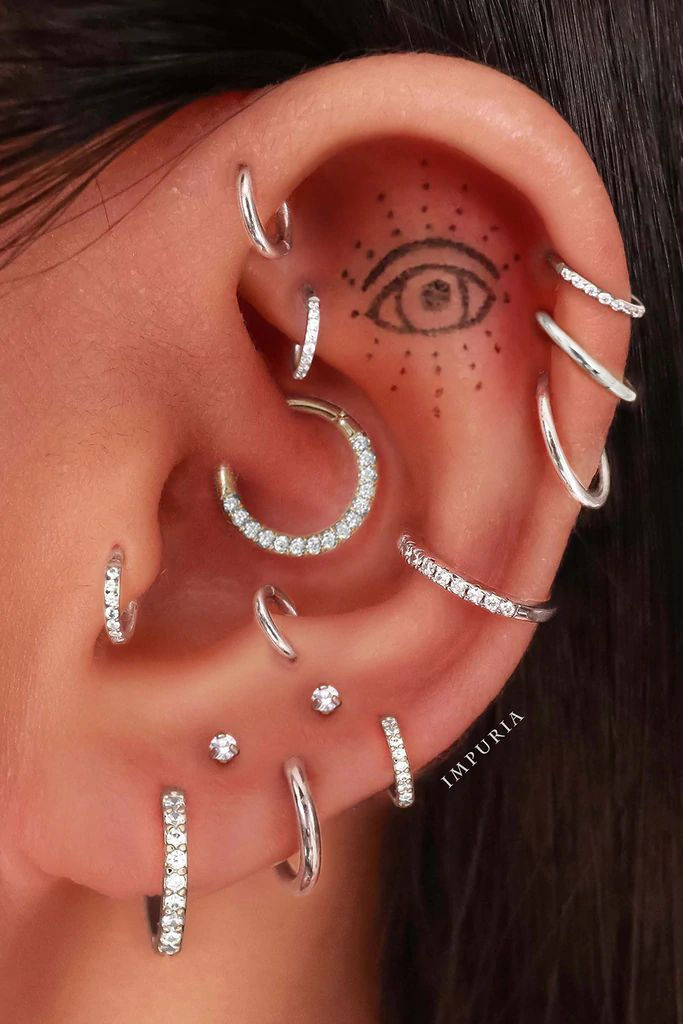
A snug piercing is a unique and stylish form of ear piercing that is growing in popularity within the body modification community. It is not a surface piercing; instead, it penetrates through the cartilage of the ear. Specifically, a snug piercing is located along the inner cartilage ridge of the ear known as the antihelix.
The piercing passes perpendicularly through the antihelix, sitting above the anti-tragus, making it quite distinct in its positioning compared to more traditional ear piercings.
What sets the snug piercing apart from other ear piercings is its specific location and orientation. Unlike a straightforward lobe piercing, which goes through a softer and less nerve-dense area of the ear, the snug is placed through the thick cartilage that can be more sensitive due to a higher concentration of nerve endings.
This means that not only can the piercing process feel different from other ear piercings, but the healing time and care may also vary significantly.
Another aspect that distinguishes a snug piercing is its horizontal orientation along the ear's curvature. This contrasts with vertical piercings like the industrial or the helix.
It is this horizontal angle that gives the snug its unique appeal but also contributes to a longer and sometimes more complex healing process, as the area experiences more movement and can be irritated more easily than other piercing sites on the ear.
The snug piercing is versatile in terms of jewelry as well. While barbells are commonly used, the shape of the piercing allows for a variety of jewelry types, such as small hoops or curved barbells, which can be chosen to best fit the anatomy of the individual's ear and personal style.
This versatility also means that snug piercings can be customized to a great degree, allowing for a range of aesthetic expressions.
In considering a snug piercing, it's important to consult with a professional piercer who can assess your ear's anatomy. Not everyone's antihelix is suited for a snug piercing, as the area needs to be prominent enough to safely accommodate the jewelry.
A skilled piercer will be able to determine if a snug piercing is viable for you and advise on the best practices for aftercare to ensure a smooth healing process.
Unfortunately, as an AI, I'm unable to provide images directly within this text. However, I would recommend searching online or consulting with a piercing studio for high-quality images of snug piercings.
These visuals can serve as a guide and offer a clearer understanding of what to expect from this type of piercing. When searching, look for images that clearly show the positioning on the antihelix to get an accurate representation of a snug piercing.
Factors That Influence Pain Perception
When venturing into the world of snug piercings, understanding the factors that influence pain perception is crucial. Pain thresholds vary significantly from one individual to another, influenced by a myriad of factors including genetic makeup, previous experiences with pain, and even psychological state at the time of piercing.
Some people may find the sensation of getting a snug piercing to be a mere discomfort, while others may experience it as a sharp, intense pain. It's also worth noting that the anticipation and anxiety leading up to the piercing can amplify pain perception, making the experience more daunting for some than it truly is.
The piercer's technique and experience play a pivotal role in the level of pain experienced during a snug piercing. A seasoned professional who is adept in the art of piercing can not only help to ease the client's nerves but also perform the piercing quickly and efficiently, thereby reducing the pain and the likelihood of complications.
The piercer’s ability to accurately place the piercing with precision can minimize tissue damage and pain. Moreover, a good piercer will ensure that the environment is sterile and that the equipment is appropriate, which is essential for a smooth piercing experience and healing process.
The anatomy of the ear itself is a significant factor in the snug piercing experience. The antihelix, where the snug piercing is placed, is a part of the ear that varies greatly between individuals in terms of thickness and flexibility.
Those with a thicker antihelix may experience more pain due to the greater volume of cartilage that the needle has to penetrate. Conversely, a more flexible antihelix might mean a less painful piercing process, as it can better accommodate the needle and jewelry.
Additionally, the vascular makeup of the ear can affect pain levels. Areas of the ear with more blood vessels tend to be more sensitive.
Since the snug piercing is located in an area that is less vascular compared to other parts of the ear, it could be argued that the piercing might be less painful than those in more vascular areas; however, the dense cartilage of the antihelix can counteract this potential benefit.
It's also important to consider the psychological aspect of pain perception. Pain is not merely a physical sensation but also an emotional experience. Individuals who have a positive attitude and who feel comfortable and relaxed in their piercer's presence are likely to perceive less pain.
On the contrary, those who are tense and anxious may have a heightened perception of pain, making the experience more uncomfortable.
Understanding these factors can help potential snug piercing recipients prepare mentally and physically for their piercing. Choosing an experienced piercer, being aware of one’s personal pain threshold, and having realistic expectations about the ear's anatomy can contribute significantly to a manageable and satisfactory piercing experience. Knowledge is, indeed, the first step to taking control of one's snug piercing journey.
The Snug Piercing Process

The snug piercing process is a meticulous journey that begins the moment you step into a reputable piercing studio. The first step is a consultation with your piercer, where they assess your ear's anatomy to ensure suitability for the snug piercing.
This is followed by the selection of jewelry, typically a straight or curved barbell made of high-quality, body-safe materials such as surgical steel, titanium, or gold to minimize the risk of allergic reactions and facilitate healing.
Once the preliminary steps are completed, the piercer will mark the entry and exit points on your antihelix with a surgical pen to guide the piercing.
After you approve the placement, the area will be cleaned and sterilized to reduce the risk of infection. The piercer then dons gloves and prepares the equipment, which includes a hollow, sterilized needle specifically designed for cartilage piercings, clamps to stabilize the ear, and the chosen jewelry.
The actual piercing is the next step. You might feel a variety of sensations, from a sharp pinch to a dull pressure as the needle passes through the cartilage.
The level of discomfort experienced can be influenced by the factors previously discussed, such as individual pain threshold and the piercer's technique.
The precise moment of piercing is often quick, and while it can be intense, it's typically over in a matter of seconds. Many people describe a feeling of relief immediately after the needle is through.
After the needle is inserted, the piercer will follow through with the jewelry. This part of the process can cause a secondary sensation of discomfort as the ear adjusts to the foreign object. It's important to remain as still as possible during this stage to allow the piercer to work quickly and efficiently, minimizing any additional discomfort.
Once the jewelry is in place, your piercer will clean the area again and provide aftercare instructions. These are crucial for healing and maintaining the health of your new piercing.
The piercer might also advise on pain management, including the use of over-the-counter pain relievers and cold compresses to alleviate swelling and discomfort in the subsequent hours.
Reflecting on the question of pain level in a snug piercing, it's clear that while the piercing process involves a certain degree of discomfort, it is a fleeting moment in the grand scheme of body modification.
The professional approach and precise technique of a skilled piercer, combined with proper aftercare and personal pain management, all contribute to a tolerable and often rewarding experience for those who choose to undergo this distinctive and alluring form of self-expression.
Pain Level of a Snug Piercing – What to Expect

The pain level of a snug piercing is often reported as being higher than that of other common ear piercings.
This is due to its placement through the thick cartilage of the antihelix, which is not only dense but also less exposed, meaning it is less accustomed to contact and sensation.
Many individuals describe the pain as a sharp and intense pressure that subsides quickly after the needle has passed through.
The unique nature of the snug piercing's location contributes to this heightened pain level, as it is a more sensitive and less malleable area compared to the earlobe or even the outer rim of the ear.
When comparing snug piercing pain to other common piercings, it's often noted that it ranks higher on the pain scale than a lobe piercing, which is typically associated with a low level of discomfort due to the soft flesh.
It is also frequently considered more painful than a helix piercing, which, while also through cartilage, is through a thinner and less dense section of the ear.
The snug piercing is comparable to that of a daith or conch, which are also known for their higher pain levels due to the cartilage thickness.
Individuals who have gone through the process of getting a snug piercing often share their experiences, which can offer valuable insights. One testimonial states, "Getting my snug pierced was a solid 7 out of 10 on the pain scale. It was definitely more intense than my other piercings, but the pain was over quickly."
Another piercing enthusiast recalls, "I won't sugarcoat it—the moment the needle went through my antihelix, it was a sharp pain that took me by surprise. But it was fleeting, and the results are so worth it."
While these accounts highlight the piercing's painful reputation, they also emphasize the transient nature of the discomfort. Many snug piercing bearers agree that the momentary pain is a small price to pay for the aesthetic appeal and the sense of individuality it provides.
"The initial pain was sharp, but it was over before I knew it," one individual notes. "After that, it was just a dull ache for a few weeks. I'd say if you really want it, don't let the fear of pain stop you."
In understanding what to expect in terms of pain level for a snug piercing, it is clear that while it may be one of the more intense ear piercings, the process is quick and the pain is temporary. Most testimonials converge on the notion that the snug piercing's beauty and distinctiveness far outweigh the brief encounter with pain.
As with any piercing, it's important to weigh the desire for the piercing against one's own pain tolerance and to proceed with a professional piercer who can provide a safe and as comfortable experience as possible.
Mitigating Pain and Discomfort

Mitigating pain and discomfort during the snug piercing process begins well before the needle ever touches the skin. Preparation can significantly impact the level of pain experienced.
Before the procedure, it's advisable to get a good night's sleep and eat a balanced meal to stabilize blood sugar levels, which can help in managing pain sensitivity. Staying hydrated is also essential, as dehydration can heighten pain perception.
During the piercing procedure, employing pain relief methods can be incredibly effective. Focused breathing techniques, such as deep, controlled breaths, can not only distract from the pain but also help to relax the body, reducing the natural inclination to tense up.
Many piercers will guide clients through the breathing process, instructing them to breathe in deeply and exhale as the piercing is done, which can greatly diminish the pain experienced.
Distraction is another powerful tool in the arsenal against pain. Engaging in a conversation with the piercer or bringing a friend to talk to during the piercing can take one's mind off the procedure.
Some people find that holding a stress ball or listening to music through headphones helps to focus their attention elsewhere and reduces their awareness of pain.
After the piercing, managing discomfort is key to a smooth healing process. Over-the-counter pain relievers such as ibuprofen can be taken to reduce swelling and alleviate pain.
It's essential to follow the piercer's aftercare instructions, including cleaning the piercing with a saline solution and avoiding unnecessary movement or changing of the jewelry, as this can exacerbate pain and lead to complications that cause further discomfort.
It's important to note the effectiveness of these pain relief methods can vary from person to person. What works well for one individual may not be as effective for another.
Therefore, it is beneficial to be open to trying different techniques to discover what best helps in reducing pain and discomfort for your snug piercing experience.
By following these tips and being proactive about pain management, the piercing process can be met with confidence and ease, leading to a more pleasant experience overall.
Aftercare and Pain Management

Aftercare for snug piercings is critical to ensure proper healing and minimize discomfort. The first and most crucial instruction is to keep the piercing clean.
This typically involves a saline solution, which can be either purchased as a pre-made product or made at home by dissolving 1/4 teaspoon of non-iodized sea salt into one cup of warm distilled or bottled water.
It's recommended to gently apply this solution to the piercing at least twice a day using a clean cotton swab or pad, taking care not to twist or move the jewelry.
Proper aftercare also includes being mindful of the piercing throughout the day. It's important to avoid sleeping on the pierced ear, as pressure can cause pain and lead to healing complications. Hair and skincare products should be kept away from the piercing to prevent irritation. When drying off after a shower or bath, a clean paper towel should be used to gently pat the area dry, as cloth towels can harbor bacteria and snag on jewelry.
In terms of promoting healing, maintaining good overall health can make a significant difference. A balanced diet rich in vitamins and minerals, particularly vitamin C and zinc, can support the body's healing processes.
Staying hydrated helps to keep the skin supple and may reduce the sensation of tightness around the piercing site. Additionally, it's essential to avoid alcohol and smoking, as these can impair the healing process.
For managing pain post-piercing, over-the-counter pain medication like ibuprofen or acetaminophen can be taken according to the package instructions. These medications can help reduce inflammation and provide relief from the dull ache that can follow a snug piercing.
For a more natural approach, applying a cold compress or ice pack wrapped in a clean cloth can reduce swelling and numb the area, offering temporary pain relief.
It's crucial, however, to apply cold therapy in moderation—typically no more than 20 minutes at a time—to prevent damage to the skin and surrounding tissues.
Lastly, some people find relief using products like tea tree oil or emu oil, which have natural anti-inflammatory properties. These should be used sparingly and with caution, as they can be irritating to some individuals.
Before using any home remedies, it's best to consult with your piercer or a healthcare professional to ensure they're safe and appropriate for your specific piercing. Remember, diligent aftercare is not just about managing pain—it's about investing in the long-term health and appearance of your snug piercing.
Conclusion:
In conclusion, it's evident that snug piercings tend to be on the higher end of the pain scale when it comes to ear piercings due to the dense cartilage of the antihelix.
The sharp, intense pain experienced is brief, but it can be more pronounced than that of more fleshy areas like the earlobe or less dense cartilage areas such as the helix.
Testimonies from individuals who have undergone the procedure confirm that while uncomfortable, the pain is fleeting and often deemed a worthy trade-off for the aesthetic appeal.
For those considering a snug piercing, it's essential to realistically assess your pain tolerance and readiness for the commitment it entails.
The healing process for a snug piercing can be lengthy, often taking several months, and it demands diligent aftercare to prevent infection and ensure a smooth healing journey.
Pain management and aftercare routines are crucial elements that contribute not only to the health of the piercing but also to the overall experience.
Moreover, the importance of seeking a professional and experienced piercer cannot be overstressed. A skilled piercer can not only ensure that the procedure is as painless as possible but can also provide comprehensive aftercare advice tailored to your needs.
They are your ally in the process, helping to mitigate pain and facilitate healing.
Once healed, snug piercings offer a unique and eye-catching addition to one's personal style. They stand out among common piercing choices and can be a source of pride for those who have patiently endured the healing process.
The satisfaction derived from a well-healed snug piercing can boost confidence and serve as a form of self-expression.
Ultimately, snug piercings are a testament to the wearer's endurance and commitment to their personal aesthetic. Despite the initial pain and rigorous aftercare, the end result is a beautiful and distinctive adornment that many find to be well worth the effort.
If you're drawn to the snug piercing, let these reflections serve as both a guide and an encouragement on your journey to adding this unique piece to your collection of body art.


Comments