
Bamboo Tattoo: Sak Yant Meaning & Hand-Poked Art

Updated: Sep 16
Bamboo tattoos — also known as hand-poked or hand-tapped tattoos — are one of humanity's oldest forms of body art. Rooted in Southeast Asian tradition, particularly Thailand's sacred Sak Yant, this ancient technique combines spiritual meaning with a meditative, rhythmic process. This guide covers the origins, meanings, process, cost, and aftercare of bamboo tattoos.
Table of Contents
1. What Is a Bamboo Tattoo?

A bamboo tattoo is a traditional, hand-poked method using a sharpened bamboo rod (or steel rod in modern practice) with a needle attached, tapped rhythmically into the skin to insert ink. Unlike machine tattoos, no electricity is used — just the artist's hand control, rhythm, and generations of inherited skill. (Source: Thai Tattoo Café)
The term "bamboo tattoo" is commonly used by tourists to describe any hand-poke method, though authentic traditional practice has deep cultural and spiritual roots, especially in Thailand's Sak Yant tradition.

2. Origins and History of Bamboo Tattoos

The art of bamboo tattooing has roots that stretch back thousands of years in Southeast Asian cultures, particularly in Thailand, where it is known as Sak Yant. The term "Sak" means "to tap or tattoo," and "Yant" comes from the Sanskrit "Yantra" — a sacred geometrical design. (Source: Wikipedia — Yantra Tattooing)
This ancient practice is not just body decoration but a deeply spiritual and cultural tradition passed down through generations. Traditional Sak Yant tattoos were performed by monks and masters (called Ajarns) as a way to heal, protect, and bless the wearer — a practice that has continued for over 2,000 years. (Source: Live Dream Discover)
As the practice spread, artists began incorporating more personalized and contemporary motifs, adapting to changing cultural landscapes while preserving the tradition's spiritual essence.
3. The Bamboo Tattoo Process

The bamboo tattoo process is distinct from machine tattooing in both technique and experience.
Aspect | Bamboo Tattoo |
Tool | Sharpened bamboo or steel rod with needle |
Power | None — pure hand control and rhythm |
Sensation | Gentle tapping, often described as meditative |
Sound | Quiet, rhythmic tapping (no buzzing) |
Speed | Slower than machine — 1–2 hours for small designs |
The artist dips the needle into ink and taps it into the skin with a rhythmic, controlled motion. The skin is cleaned and sometimes marked with an outline, although master practitioners often work freehand, especially for traditional Sak Yant designs.
Because it causes less skin trauma than machine tattooing, many people experience a gentler, more tolerable sensation — sometimes described as meditative.
4. Sak Yant Symbolism and Meanings
Sak Yant tattoos are rich in symbolism, each design carrying specific protective and empowering qualities.
Design | Meaning |
Hah Taew (Five Lines) | Protection, fortune, charisma, love, success |
Gao Yord (Nine Spires) | Protection from harm, good luck |
Paed Tidt (Eight Directions) | Protection from all directions |
Yant Suea (Tiger) | Power, strength, authority |
Yant Ngoop (Peacock) | Beauty, grace, charisma |
Yant Tra (Buddha) | Spiritual protection, blessings |
The Hah Taew (Five Lines) is one of the most iconic Sak Yant designs, encapsulating the multifaceted nature of the tradition by offering both spiritual and practical benefits — protection, fortune, charisma, love, and success. (Source: Sak Yant Chiang Mai)
In traditional Sak Yant practice, the choice of design is often made by the ajarn (tattoo master) based on their assessment of the individual's needs and nature — not simply by the wearer's aesthetic preference.
5. Popular Bamboo Tattoo Designs

Bamboo tattoo designs span from ancient sacred symbols to contemporary artistic expressions.
Design Type | Description |
Traditional Sak Yant | Sacred Thai geometry, Pali/Khom script, symbolic figures |
Mandala | Intricate circular patterns requiring precision |
Geometric | Sacred geometry, dotwork, symmetrical patterns |
Modern fusion | Sak Yant elements blended with contemporary imagery |
Personalized | Custom designs incorporating personal symbols |
Traditional Sak Yant designs remain at the heart of bamboo tattooing, carrying deep spiritual and cultural significance. Mandala and geometric designs are particularly well-suited to bamboo technique — the crisp lines and intricate details achievable with hand-poking make these precision designs shine.
In recent years, there's been a growing trend toward blending traditional Sak Yant elements with modern design aesthetics — incorporating mandala structures, dotwork, or personal symbols into traditional frameworks.
6. Bamboo vs. Machine Tattoos
Aspect | Bamboo Tattoo | Machine Tattoo |
Technique | Hand-poked, rhythmic tapping | Electric needle |
Pain | Generally gentler, more tolerable | Varies, often more intense |
Healing | Often faster, less trauma to skin | Standard healing time |
Experience | Meditative, spiritual, ritualistic | Standard studio experience |
Ink placement | May sit slightly shallower | Consistent depth |
Speed | Slower | Faster |
Many people report bamboo tattoos are less painful than machine tattoos — the hand-poked technique is generally gentler on the skin, resulting in a sensation often described as more tolerable and even meditative. (Source: Siam Ink Tattoo)
Bamboo tattoos typically heal faster, often within 1–2 weeks, due to less skin trauma. However, they may fade slightly faster because the ink can sit slightly shallower — touch-ups may be needed to maintain vibrancy over time.
7. Best Placements for Bamboo Tattoos
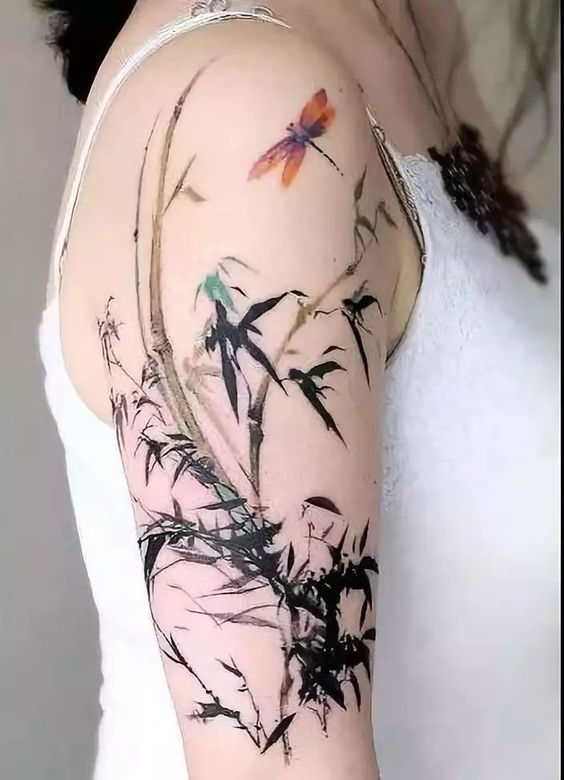


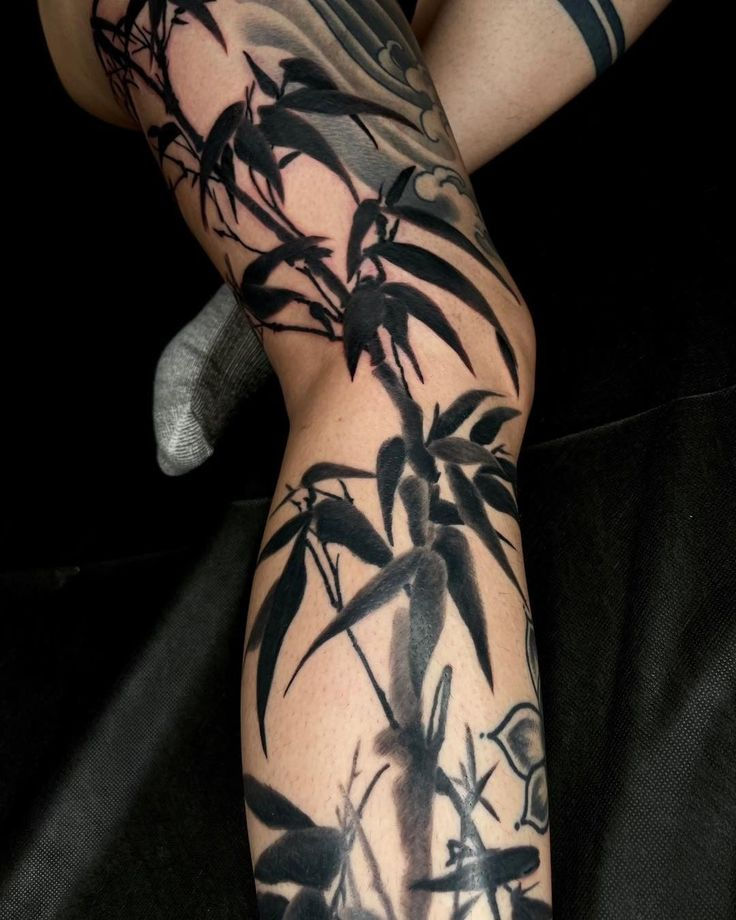


Traditional Sak Yant practice assigns specific placements for maximum efficacy.
Placement | Best For |
Back | Large Sak Yant compositions, full-back pieces |
Shoulder blade | Classic Sak Yant placement (like Angelina Jolie's) |
Upper back / spine | Traditional protective designs |
Forearm | Medium, visible designs |
Chest | Powerful, personal pieces |
Upper arm | Versatile, medium designs |
Ribs / side | Vertical, spiritual designs |
Leg / thigh | Large, personal designs |
The back and shoulder blade are among the most traditional placements for Sak Yant tattoos. In traditional practice, different designs were placed on specific parts of the body for maximum efficacy — a tradition still respected by master practitioners.
8. How Much Does a Bamboo Tattoo Cost?
Scenario | Average Cost |
Temple in Thailand (donation) | Often donation-based or very low |
Traditional shop in Southeast Asia | $50–$200 |
Western studio | $150–$300 per hour |
Small design (1–2 hours) | $100–$400 |
Medium design (2–4 hours) | $300–$800 |
Large / multi-session piece | $800–$2.000+ |
The location significantly impacts cost. Getting a traditional Sak Yant tattoo in a temple in Thailand might be relatively inexpensive, with some temples operating on a donation basis. In Western countries, bamboo tattoos are often priced similarly to machine tattoos, with perhaps a slight premium for the specialized technique. (Source: Bamboo Tattoo Guide)
When budgeting, factor in travel costs (if going to Southeast Asia), custom design work, aftercare products, and potential touch-ups.
9. Traveling for a Bamboo Tattoo
Traveling to receive a bamboo tattoo has become a popular pilgrimage for tattoo enthusiasts seeking an authentic, culturally rich experience — most often to Thailand, where Sak Yant originated.
Destination | Known For |
Thailand (Bangkok, Chiang Mai, Phuket) | Authentic Sak Yant, temple tattoos |
Cambodia | Sacred Sak Yant tradition |
Laos / Myanmar | Traditional hand-poked practice |
Important caveat: In Thailand, the phrase "bamboo tattoo" is commonly used by tourist-oriented shops to describe any hand-poke method — which may not be a genuine Sak Yant performed by a master. If you seek an authentic experience, research reputable Ajarn masters and temples, not just tourist shops. (Source: Sak Yant Chiang Mai)
10. Bamboo Tattoo Aftercare
Proper aftercare is crucial for the healing and longevity of your bamboo tattoo.
Immediate aftercare (days 1–14):
Keep the tattoo clean and dry; wash gently 2–3 times a day with a gentle, fragrance-free soap (recommended option) and pat dry — never rub.
Apply a healing ointment like Hustle Butter Deluxe or Aquaphor Healing Ointment to keep the skin moisturized and support healing.
Avoid submerging the tattoo in water, direct sunlight, and activities causing excessive sweating or friction.
Long-term:
Sun protection is essential — UV exposure fades the detail of intricate bamboo designs. Use a high-SPF tattoo sunscreen like Mad Rabbit SPF 30 daily once healed.
Moisturize regularly with an unscented lotion like Eucerin Advanced Repair to keep the skin supple and the detail sharp.
Note: Some traditional Sak Yant traditions include dietary restrictions or behavioral rules during the healing period, believed to enhance the spiritual potency of the tattoo. Follow your master's guidance if you receive a traditional piece.
11. Frequently Asked Questions
Are bamboo tattoos less painful than machine tattoos?
Yes — many people report bamboo tattoos are less painful. The hand-poked technique is gentler on the skin, resulting in a sensation often described as more tolerable and even meditative.
How long does a bamboo tattoo take to heal?
Bamboo tattoos typically heal faster than machine tattoos, often within 1–2 weeks, though complete healing can take up to a month.
Are bamboo tattoos safe?
When performed by a skilled practitioner using sterile equipment, bamboo tattoos are as safe as any other form of tattooing. Always choose a reputable artist who follows proper hygiene protocols.
Do bamboo tattoos last as long as machine tattoos?
When done properly, bamboo tattoos can last as long as machine tattoos. However, they may fade slightly faster due to shallower ink placement — touch-ups may be needed over time.
Is it cultural appropriation to get a Sak Yant tattoo?
This is a complex issue. It's important to approach traditional designs with respect and understanding of their cultural significance. Consider the context and meaning of the tattoo, and whether it's appropriate for you to wear it.
How much does a bamboo tattoo cost?
Costs vary widely: a temple Sak Yant in Thailand may be donation-based, a traditional Southeast Asian shop $50–$200, and a Western studio $150–$300 per hour.
Can I get any design as a bamboo tattoo?
While traditionally associated with specific designs, modern bamboo tattooing accommodates a wide range of styles. Some intricate or large-scale designs may be better suited to machine tattooing.
Can I get a bamboo tattoo outside of Southeast Asia?
Yes — bamboo tattooing has gained popularity worldwide, and many skilled artists practice this technique in various countries.
Who is famous for bamboo tattoos?
Angelina Jolie is the most well-known celebrity associated with bamboo tattoos. Her Sak Yant on her left shoulder blade was done in Thailand using the traditional hand-poked method, bringing significant attention to the practice.
12. References & Sources
Wikipedia — "Yantra Tattooing." Source
Sak Yant Chiang Mai — "Traditional Thai Tattoo Designs & Meanings of the Sak Yant." Source
Thai Tattoo Café — "The Beauty of Bamboo Tattoos in Thailand." Source
Siam Ink Tattoo — "Authentic Bamboo Tattoos." Source
Live Dream Discover — "How to Get a Sak Yant Bamboo Tattoo in Thailand." Source
About the Author
Leonardo Pereira — founder of Tatuagem Blog, has been researching and writing about tattoo art, symbolism, and aftercare since 2017. This guide was reviewed against cultural and historical sources, and content intent was aligned to real search behavior, verified in August 2026.
See More: ⤵
Forearm Tattoos for Women: Styles, Inspiration, and Considerations
Sleeve Tattoos for Men: The Ultimate Guide to Designing and Rocking Your Ink
Best Friend Tattoos: Celebrating the Unbreakable Bond of Friendship
Wave Tattoo: Unleashing the Power and Beauty of the Ocean on Your Skin
Wrist Tattoos: Meaningful Designs and Ideas for Your Next Ink
Halloween Tattoos: Spooky and Creative Ideas for Ink Enthusiasts
Japanese Tattoo: Exploring the Rich History and Symbolism of Irezumi
Infinity Tattoo Ideas: Endless Inspiration for Your Next Ink
Cat Tattoos: Meanings, Designs, and Ideas for Feline-Inspired Ink
Feather Tattoo: Meanings, Designs, and Ideas for Your Next Ink
Lotus Flower Tattoo: Meanings, Designs, and Ideas for Your Next Ink
Polynesian Tattoo: Unraveling the Meanings and Traditions Behind the Ancient Art
Birth Flower Tattoos: Celebrating Your Birthday with Floral Ink
Forearm Tattoos for Women: Embracing Femininity and Self-Expression
Head Tattoos for Guys: Bold Designs and Crucial Considerations
Forearm Tattoos: Unleashing Your Personal Style on Skin Canvas
Arm Tattoos: Your Ultimate Guide to Inked Sleeves and Beyond
Phoenix Tattoo: Rising from the Ashes with Stunning Design Ideas
Heart Tattoo: Meanings, Designs, and Ideas for Your Next Ink


Comments