
Snake Tattoo: Meaning, ideas, and designs
- Leonardo Pereira
- May 27
- 19 min read
Updated: Jun 27
Alright, let's talk about one of the most powerful, versatile, and frankly, badass tattoo subjects out there: snake tattoos. If you've been scrolling through Instagram or Pinterest getting lost in those mesmerizing serpent designs—snakes coiled around arms, ouroboros circles, cobras ready to strike, delicate snake-and-rose combinations—you're definitely not alone. Snake tattoos have been having a major moment, and honestly? They deserve it.
Here's what makes snake tattoos so fascinating: they're basically the Switzerland of tattoo symbolism—completely neutral ground where opposing meanings coexist. Depending on your cultural background, personal beliefs, and design choices, a snake can represent transformation or danger, healing or temptation, wisdom or sin, protection or threat, life or death. It's this incredible duality that makes snake tattoos so personally meaningful and endlessly customizable.
I'll be honest—before diving deep into snake symbolism, I thought they were pretty one-dimensional: scary, dangerous, maybe a bit edgy. But wow, was I wrong! Snakes have been revered, feared, worshipped, and symbolized across virtually every culture on Earth for thousands of years. Ancient Egyptians crowned their pharaohs with cobras. Greeks associated serpents with healing (hello, medical caduceus!). Hindus worship snake deities. Native Americans view them as symbols of transformation and life force. Christians link them to temptation. Japanese culture considers them protectors against illness and bad luck.
Whether you're considering a small snake tattoo on your wrist, a cobra wrapped around your arm, a full snake sleeve, an ouroboros representing eternity, or a snake and rose combination balancing beauty and danger—this comprehensive guide has everything you need to know.
We'll explore what different snake tattoos mean, break down cultural interpretations worldwide, showcase popular design combinations (snake and skull, anyone?), discuss the best placements for maximum impact, decode color symbolism, address whether snake tattoos bring bad luck (spoiler: it's complicated), and answer every burning question you've been Googling.
Ready to shed your old skin and embrace something new? Let's slither in. 🐍✨
Table of Contents
Popular Snake Tattoo Design Combinations


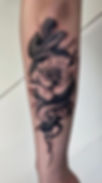




Combining snakes with other elements creates layered meanings:
Snake and Rose
Symbolism: Beauty and danger, love and temptation, passion with risk
Interpretation:
Beauty has thorns (rose) and danger (snake)
Love can be both beautiful and painful
Feminine power—delicate yet deadly
Balance of opposing forces
Design variations:
Snake coiled around rose stem
Snake emerging from rose petals
Rose blooming from snake's mouth
Popular with: Women embracing complex femininity; anyone acknowledging life's duality
Snake and Skull
Symbolism: Death and rebirth, mortality, life's cycle, memento mori
Interpretation:
Transformation through death (shedding old self)
Mortality reminder: death is natural
Danger and death intertwined
Conquering fear of death
Design variations:
Snake slithering through skull eye sockets
Skull with snake coiled on top
Snake and skull facing each other
Aesthetic: Darker, gothic, often appeals to those comfortable with mortality themes
Ouroboros (Snake Eating Its Tail)
Symbolism: Eternity, infinity, cyclical nature of existence, self-reflection
Ancient symbol: Found in Egyptian, Greek, Norse, and Hindu traditions
Interpretation:
Everything is connected in eternal cycle
Death leads to rebirth leads to death (endless)
Self-sustainability of the universe
Introspection and self-examination
Design options:
Simple circular snake
Dragon-serpent hybrid
Incorporated with other sacred geometry
Perfect for: Philosophers, spiritual seekers, those who see life as cyclical
Snake and Dagger/Sword
Symbolism: Overcoming danger, protection, courage, defeating enemies
Interpretation:
Conquering threats or fears
Warrior spirit
Defense and offense combined
Striking back at adversity
Common design: Dagger piercing through snake or snake coiled around blade
Snake and Butterfly
Symbolism: Double transformation, evolution, beauty emerging from change
Why this combo works:
Both represent transformation (snake sheds skin, butterfly metamorphosis)
Emphasizes renewal and evolution
Feminine and delicate interpretation of snake symbolism
Snake and Flowers (Besides Rose)
Lotus flower: Spiritual awakening, purity rising from darknessPeony: Prosperity, honor, bravery (especially in Japanese tattoos)Cherry blossoms: Beauty's impermanence, living in the momentLilies: Purity, renewal, resurrection
Snake and Moon/Celestial Elements
Symbolism: Feminine energy, mystery, intuition, magic
Interpretation:
Snake = earthly power, Moon = cosmic power
Both associated with feminine divinity
Hidden knowledge and mysticism
Cycles (moon phases, snake shedding)
Two Snakes (Caduceus Style)
Symbolism: Balance, duality, medicine, commerce
Note: Often confused with Rod of Asclepius, but caduceus (Hermes' symbol) has two snakes intertwined around winged staff
Interpretation:
Balance of opposing forces
Negotiation and communication
Medicine and healing (though technically incorrect—one snake is Asclepius)
What Does a Snake Tattoo Mean?
Let's cut right to the chase—what are you really saying when you get a snake tattooed on your body?
Transformation and Rebirth (THE BIG ONE)
This is arguably the most universal snake symbolism: transformation, renewal, and rebirth. Why? Because snakes literally shed their entire skin multiple times throughout their lives, emerging fresh and renewed underneath.
A snake tattoo representing transformation says:
"I've outgrown my old self and become someone new"
"I've overcome significant challenges and emerged stronger"
"I'm constantly evolving and growing"
"I embrace change rather than fearing it"
Perfect for: People who've been through major life transitions—recovery from addiction, surviving illness, leaving toxic relationships, career changes, spiritual awakeening, gender transitions, or any profound personal evolution.
Wisdom and Knowledge
In many cultures, snakes are deeply associated with wisdom, knowledge, and ancient secrets.
Greek mythology: Asclepius, the god of medicine and healing, carried a staff with a serpent coiled around it (the Rod of Asclepius—still used as a medical symbol today!). Snakes represented healing knowledge and the mysteries of life and death.
Hindu tradition: Snakes (Nagas) are associated with wisdom, spiritual knowledge, and Kundalini energy (the coiled serpent at the base of the spine representing spiritual power).
Gnostic Christianity: The serpent in the Garden of Eden represented knowledge and enlightenment (a very different interpretation from mainstream Christianity).
A snake tattoo can represent your quest for knowledge, appreciation for wisdom, or connection to ancient mysteries.
Healing and Medicine
Thanks to Asclepius and the caduceus (though technically the caduceus has two snakes and belongs to Hermes—there's confusion here), snakes are powerfully linked to healing.
Snake tattoo as healing symbol:
Recovering from physical illness
Mental health journey
Medical profession pride (doctors, nurses, paramedics)
Honoring the healing process
Protection and Defense
Snakes are fierce defenders—they strike when threatened, using venom or constriction to protect themselves. But they don't attack without reason; they're reactive protectors.
A snake tattoo can represent:
"I'm peaceful, but don't mess with me"
Protecting yourself and your boundaries
Fierce maternal protection
Self-defense and standing your ground
Popular design: Snake coiled in defensive position, ready to strike
Fertility and Life Force
In numerous ancient cultures, snakes represented fertility, sexuality, and life energy:
Ancient Egypt: Snakes symbolized the life-giving Nile River's flooding cycle
Native American (Hopi): Snake dances performed to renew the fertility of nature
Hindu Kundalini: Sexual energy rising through chakras, visualized as a serpent
Temptation and Duality
The famous Biblical serpent in the Garden of Eden represents temptation, forbidden knowledge, and the duality of good and evil. Some people embrace this darker interpretation:
Acknowledging your "dark side"
Accepting that you're complex, not purely good or evil
Embracing temptation as part of human nature
Rebellion against restrictive dogma
Immortality and Eternity
The Ouroboros—a snake eating its own tail—is an ancient symbol representing:
The eternal cycle of life, death, and rebirth
Infinity and timelessness
The universe's self-sustaining nature
Unity of opposites (beginning and end are one)
This design is hugely popular for its philosophical depth.
Power and Strength
Snakes are powerful predators despite lacking limbs—they're pure efficient strength. A snake tattoo can represent:
Inner strength and resilience
Efficient, strategic power (not brute force)
Lethal capability (venom = natural weapon)
Primal, untamed energy
Independence and Self-Sufficiency
Snakes are solitary creatures that hunt alone, shed skin alone, and need no pack or pride. They represent:
Independence and self-reliance
Comfortable being alone
Not needing validation from others
Solo journey through life
Cultural Significance Across the World
Understanding cultural context can deepen your tattoo's meaning:
Japanese Culture (Hebi 蛇)
Symbolism: Protection, good luck, wisdom, regeneration
Beliefs:
Snake tattoos (hebi) protect against illness and bad fortune
White snakes are particularly auspicious, associated with Benzaiten (goddess of everything that flows—water, time, words, music)
Snakes represent transformation and feminine energy
Popular designs:
Japanese snake with cherry blossoms
Snake and peony combination
Traditional irezumi style with bold colors
Cultural note: In Japanese tattoo tradition, snakes are highly respected protective symbols, not negative at all!
Ancient Egypt
Symbolism: Royalty, divine authority, protection
Key imagery:
Uraeus: The rearing cobra on pharaoh's crowns, representing sovereignty and divine protection
Snakes as guardians of the underworld
Wadjet (cobra goddess) protecting Lower Egypt
Modern tattoo interpretation: Royal power, ancient wisdom, protection by divine forces
Greek Mythology
Symbolism: Healing, medicine, rebirth
Key figures:
Asclepius: God of medicine with serpent-entwined staff
Snakes shedding skin = rebirth symbolism
Oracle of Delphi guarded by Python (snake)
Popular design: Rod of Asclepius (single snake wrapped around staff)—common among medical professionals
Hindu and Indian Culture
Symbolism: Spiritual power, protection, fertility
Key concepts:
Nagas: Divine serpent beings, protectors of treasures and sacred spaces
Kundalini: Coiled serpent energy at spine base, representing spiritual awakening
Lord Shiva wears snakes as ornaments
Snakes associated with Lord Vishnu and creation
Cultural respect: Snakes are sacred and revered, not feared
Native American Traditions
Symbolism: Transformation, life force, connection to earth
Beliefs:
Snakes represent life renewal (emerging from underground = rebirth)
Hopi snake dance to ensure fertility and rain
Lightning and rain connections
Guardians of sacred springs and water sources
Design elements: Often combined with other tribal symbols, geometric patterns
Christian Tradition
Symbolism: Temptation, sin, evil (but also healing in some contexts)
Biblical references:
Serpent in Garden of Eden = temptation and fall from grace
But also: Moses' bronze serpent on a pole = healing and salvation
Modern interpretation: Some embrace the "forbidden knowledge" angle; others reinterpret the serpent as enlightenment bringer
Important: If you have Christian background, consider how family/community might interpret your snake tattoo
Chinese Culture
Symbolism: Intelligence, mystery, seduction
Zodiac: Snake is one of the 12 Chinese zodiac animals—representing wisdom, intuition, and enigmatic beauty
Cultural notes:
Associated with feminine energy and seduction
Symbol of good fortune in business
2025 is the Year of the Snake in Chinese zodiac!
Celtic Tradition
Symbolism: Wisdom, healing, earth's vitality
Imagery:
Snakes as symbols of earth's regenerative power
Associated with druids and sacred knowledge
Often intertwined in Celtic knotwork designs
Snake Tattoo Styles: From Traditional to Hyper-Realistic
Different artistic styles dramatically change the vibe:
Traditional/Old School
Characteristics:
Bold black outlines (3-5mm thick)
Limited color palette (reds, yellows, greens, blacks)
Flat, solid colors
Classic imagery (snake coiled, ready to strike)
Often includes banners, daggers, roses
Best for: Timeless, bold statement; ages incredibly well
Vibe: Classic Americana, nautical, vintage
Japanese Traditional (Irezumi)
Characteristics:
Large-scale designs (sleeves, back pieces)
Snakes intertwined with waves, flowers, wind bars
Rich colors (especially reds, blacks, golds)
Background elements crucial to composition
Snakes often depicted moving dynamically
Best for: Large canvas tattoos, cultural appreciation (done respectfully)
Vibe: Ancient, powerful, deeply symbolic
Realistic/Photorealistic
Characteristics:
Extremely detailed scales, shading, texture
Looks like actual photograph of snake
Natural coloring or enhanced vibrancy
Requires highly skilled artist
Best for: Nature lovers, people who want "wow factor"
Vibe: Striking, impressive, conversation-starter
Reality check: Requires exceptional artist; time-intensive; expensive
Hyper-Realism with UV/Glow Elements (2025 Trend)
Characteristics:
Photorealistic snake base
UV-reactive inks that glow under blacklight
Creates "hidden" elements visible only in clubs/UV light
Futuristic aesthetic
Best for: Clubbers, tech enthusiasts, those wanting hidden tattoo elements
Note: UV ink longevity still being studied; choose experienced artist
Minimalist/Line Work
Characteristics:
Simple, clean lines
Often single continuous line
Minimal or no shading
Delicate and subtle
Small to medium size
Best for: First tattoos, subtle aesthetic, modern/contemporary style lovers
Warning: Fine lines blur over time more than bold work
Geometric/Sacred Geometry
Characteristics:
Snake body composed of geometric shapes
Integration with mandalas, hexagons, triangles
Often symmetrical
Mathematical precision
Best for: Math/science enthusiasts, modern aesthetic, spiritual seekers
Vibe: Contemporary, intellectual, spiritually symbolic
Neo-Traditional
Characteristics:
Evolution of traditional style
Bolder colors and more shading than traditional
Ornate details and decorative elements
Maintains bold outlines
More realistic depth
Best for: People wanting traditional vibe with modern flair
Vibe: Bold but detailed, vibrant, eye-catching
Blackwork/Dotwork
Characteristics:
Entirely black ink (no color)
Heavy black fills or intricate dot shading
Tribal influences or ornamental patterns
High contrast
Best for: Bold statement, those avoiding color
Vibe: Striking, graphic, powerful
Cybersigilism (2025 Emerging Trend)
Characteristics:
Futuristic fusion of tech and occult aesthetics
Glitchy, circuit-board-inspired snake scales
Neon accents and geometric elements
Very modern, almost alien appearance
Best for: Tech enthusiasts, cyberpunk fans, futuristic aesthetic
Vibe: Cutting-edge, unconventional, sci-fi
Best Placements for Snake Tattoos
Where you put your snake dramatically affects its impact!
Wrapped Around Arm (SUPER POPULAR) ⭐
Why it works:
Snake's natural coiling shape fits perfectly around cylindrical arm
Creates dynamic, 3D effect as arm moves
Visible but can be covered with sleeves
Looks like snake is actually wrapped around you
Variations:
Forearm wrap
Upper arm/bicep wrap
Full arm from shoulder to wrist
Symbolism boost: Snake "holding" or "protecting" your arm
Pain level: Moderate (3-5/10 on outer arm; 5-7/10 on inner arm)
Spine/Back
Why it works:
Vertical snake following spine's natural line
Deeply symbolic (spine = Kundalini energy channel)
Large canvas for detailed work
Snake can extend from neck to lower back
Symbolism: Spiritual awakening, core strength, protection of vital energy
Pain level: Moderate to high (5-8/10, especially directly on spine)
Consideration: You won't see it often yourself
Leg/Thigh Wrap
Why it works:
Similar to arm—cylindrical shape perfect for wrapping
Large canvas for detailed designs
Easy to hide or show depending on clothing
Thigh provides substantial space
Popular designs:
Snake spiraling up calf
Thigh wrap with snake's head on front of leg
Full leg sleeve
Pain level: Moderate (4-6/10, depending on location)
Chest
Why it works:
Snake can coil over heart (protection symbolism)
Large flat canvas for intricate detail
Powerful placement for personal meaning
Can extend to shoulder or down torso
Symbolism: Guarding your heart, core transformation
Pain level: Moderate to high (5-7/10, worse near sternum)
Shoulder
Why it works:
Natural curve of shoulder suits coiled snake
Can extend down arm for larger design
Balance of visible and coverable
Strong, powerful placement
Pain level: Moderate (4-6/10)
Forearm
Why it works:
Highly visible (if you want that)
Perfect for vertical snake design
Flat surface for detail
You can see it yourself daily
Popular orientation:
Vertical snake running up forearm
Horizontal snake wrapped around
Snake emerging from wrist toward elbow
Pain level: Moderate (3-5/10 outer; 5-7/10 inner)
Neck/Throat (BOLD CHOICE)
Why it works:
Extremely visible statement
Snake around neck = powerful imagery
Looks like jewelry/collar
Symbolism: Fearlessness, embracing danger, transformation at the core
Pain level: High (6-8/10)
Major consideration: Very visible; may impact professional opportunities
Ankle/Calf
Why it works:
Delicate, feminine placement
Can wrap around ankle like anklet
Calf provides good canvas for medium designs
Pain level: Moderate to high on ankle (6-8/10); moderate on calf (4-6/10)
Hand/Finger
Why it works:
Small snake on finger looks like ring
Hand provides visible canvas
Snake on palm = hidden treasure
Reality check: Hands fade FAST; requires frequent touch-ups; may limit professional options
Pain level: High (7-9/10)
Ribcage/Side
Why it works:
Vertical snake following rib line
Large side canvas for extended designs
Dramatic placement
Pain level: HIGH (7-9/10—ribs are notoriously painful)
Snake Tattoos for Men vs. Women
While anyone can get any design, there are some gender trends:
Popular with Women
Design preferences:
Snake and rose combinations (beauty/danger balance)
Delicate, flowing snakes with flowers
Small to medium minimalist line work
Wrapped around thigh or arm (elegant, sensual)
Spine snakes (Kundalini/spiritual awakening)
Butterfly and snake combinations
Symbolism emphasis:
Transformation and personal growth
Feminine power and independence
Beauty with danger/strength
Spiritual awakening
Overcoming challenges
Common placements: Thigh, ribcage, spine, ankle, behind ear, wrist
Popular with Men
Design preferences:
Cobra ready to strike (aggressive, defensive)
Snake and skull combinations (mortality, danger)
Large, bold traditional snakes with daggers
Realistic vipers or rattlesnakes
Full sleeve with snake as centerpiece
Japanese dragon-snake hybrids
Symbolism emphasis:
Strength and power
Protection and defense
Overcoming adversity
Warrior spirit
Danger and respect
Common placements: Arm sleeves, chest, back, calf, shoulder
Unisex Favorites
Ouroboros (philosophical, universal)
Black and grey realistic snakes
Geometric/sacred geometry designs
Minimalist line work
Japanese traditional (when done respectfully)
Medical/healing snakes (Rod of Asclepius)
Bottom line: Get what resonates with YOU—gender trends are just trends, not rules!
Are Snake Tattoos Bad Luck?
This is a HUGE question people ask, so let's address it directly:
The Short Answer
It depends entirely on your cultural background and personal beliefs. There's no universal truth here.
Cultures That View Snakes POSITIVELY
Japanese culture: Snake tattoos (hebi) are considered protective and bring good luck, especially against illness and misfortune. White snakes are particularly auspicious.
Hindu tradition: Snakes are sacred, associated with powerful deities. Snake tattoos honor spiritual power—definitely not bad luck!
Ancient Egypt: Snakes represented divine protection and royal power—extremely positive.
Native American traditions: Snakes symbolize transformation and life force—positive, sacred symbols.
Cultures with NEGATIVE Snake Associations
Christian tradition: Snakes are linked to Satan and temptation (Garden of Eden). Some conservative Christians view snake tattoos negatively.
Some Western superstitions: Historical fears of snakes as dangerous creatures created superstitions.
The Reality
Your beliefs create your reality. If you believe your snake tattoo represents transformation, protection, and power—that's what it means. If you're worried it might bring bad luck because of cultural conditioning, that anxiety itself could create negative experiences (self-fulfilling prophecy).
Questions to ask yourself:
What does the snake mean to YOU personally?
Does your cultural/religious background have strong snake symbolism?
Are you comfortable explaining your tattoo's meaning to family/community?
Do you believe tattoos have power beyond personal symbolism?
Anecdotal Evidence
I've researched countless forums, Reddit threads, and tattoo communities. The overwhelming consensus: People with snake tattoos don't report unusual bad luck. Many report feeling empowered, protected, and aligned with their intention for the tattoo.
Bottom line: If you're drawn to snake symbolism, the tattoo likely represents something positive for your personal journey. Don't let superstition stop you from meaningful art.
Color Meanings in Snake Tattoos

Color adds another layer of symbolism:
Black Snake
Symbolism: Mystery, protection, transformation, elegance, power
Best for: Bold statement, timeless aesthetic, those wanting most versatile symbolism
Aging: Black ages BEST—fades to attractive grey
Red Snake
Symbolism: Passion, vitality, danger, life force, energy, aggression
Cultural note: In Japanese tattoos, red represents vitality and protection
Best for: Passionate personalities, emphasizing danger/power aspects
Green Snake
Symbolism: Nature, renewal, healing, growth, poison/venom, envy
Species association: Green tree python, emerald tree boa (realistic designs)
Best for: Nature lovers, healing journey, connecting to earth energy
White Snake
Symbolism: Purity, divinity, good fortune, rarity, spiritual enlightenment
Cultural significance: In Japanese and Chinese culture, white snakes are extremely auspicious and sacred
Reality check: Pure white ink yellows over time; better as highlights within darker designs
Yellow/Gold Snake
Symbolism: Wealth, prosperity, sun energy, divine power, caution
Best for: Prosperity focus, solar symbolism, royal imagery
Blue Snake
Symbolism: Water, fluidity, calmness, depth, rarity, coolness
Best for: Emotional depth, connection to water element, serene energy
Multi-Colored/Rainbow Snake
Symbolism: Diversity, LGBTQ+ pride, all aspects of life, complexity
Aesthetic: Vibrant, eye-catching, artistic
Choosing Your Snake Species
Different snakes have different vibes:
Cobra
Vibe: Regal, intimidating, defensive, Egyptian royalty
Best design: Hood flared, ready to strike
Symbolism: Protection, royalty, "don't tread on me"
Rattlesnake
Vibe: American, warning before striking, justice
Historical significance: Gadsden flag ("Don't Tread on Me")—American Revolution symbol
Symbolism: Warning, standing your ground, American pride
Python/Boa
Vibe: Powerful constrictor, patience, gradual strength
Best design: Coiled, thick muscular body
Symbolism: Slow but inevitable power, patience, strategic strength
Viper
Vibe: Deadly, precise, efficient
Symbolism: Lethal capability, precision, efficient danger
Generic/Stylized Snake
Advantage: Not tied to specific species; pure symbolic representation
Best for: Focusing on symbolism over realism
Frequently Asked Questions (FAQ)
What does a snake tattoo symbolize?
A snake tattoo primarily symbolizes transformation and rebirth (snakes shed their skin), wisdom and knowledge (associated with ancient mysteries), healing and medicine (Rod of Asclepius), protection and defense (snakes strike when threatened), and power and strength (lethal predators). The specific meaning depends on cultural context, design elements, and personal intention. In Japanese culture, snakes represent good luck and protection. In Hindu tradition, they symbolize spiritual awakening (Kundalini energy). In Christianity, snakes can represent temptation or, alternatively, healing. The ouroboros (snake eating its tail) specifically represents eternity and life's cyclical nature.
What does a snake and rose tattoo mean?
A snake and rose tattoo represents the coexistence of beauty and danger, love and temptation, or passion with risk. The rose symbolizes beauty, love, and vulnerability, while the snake represents danger, temptation, and power. Together, they illustrate life's duality: beautiful things can be dangerous, love can hurt, and strength can be delicate. This combination is especially popular with women embracing complex femininity—acknowledging they can be both beautiful and fierce, gentle and dangerous. The design emphasizes that life isn't purely good or evil but rather a balance of contrasting forces.
Are snake tattoos bad luck?
No, snake tattoos are NOT universally bad luck—it depends entirely on cultural context and personal beliefs. In Japanese culture, snake tattoos (hebi) are considered protective and bring good luck, especially against illness. Hindu tradition views snakes as sacred and spiritually powerful—definitely positive. Ancient Egyptian and Native American cultures also had positive snake symbolism. However, in Christian tradition, snakes are associated with temptation and sin (Garden of Eden), which makes some people uncomfortable. Ultimately, your beliefs create your reality—if you view your snake tattoo as representing transformation, protection, and strength, that's the energy it carries for you.
What does an ouroboros tattoo mean?
An ouroboros tattoo (snake eating its own tail) symbolizes eternity, infinity, the cyclical nature of existence, and self-reflection. This ancient symbol appears in Egyptian, Greek, Norse, and Hindu traditions, representing the idea that life, death, and rebirth form an endless cycle—there is no true beginning or end. It also symbolizes self-sustainability (the universe renewing itself), unity of opposites (the head consuming the tail represents opposing forces as one), and introspection (looking within oneself). Modern interpretations emphasize interconnectedness: everything is part of an eternal cycle of destruction and creation.
Where should I place my snake tattoo?
Best placements depend on your design and visibility preferences: Arms wrapped (highly popular—snake coils around cylindrical shape naturally, creates 3D effect), spine/back (vertical design following natural spine line, deeply symbolic for Kundalini energy), legs/thighs wrapped (similar to arm, large canvas, easy to hide or show), forearm (visible, vertical or wrapped orientation), chest (powerful placement over heart, protection symbolism), and shoulder (natural curve suits coiled snake). Arms and legs work best for wrapped designs because the cylindrical shape enhances the illusion that the snake is actually coiling around your body. Spine placements have deep spiritual significance in Hindu tradition.
Do snake tattoos have different meanings for men and women?
Core symbolism remains the same, but emphasis often differs. Women frequently choose snake tattoos to represent feminine power and independence, transformation through life challenges (motherhood, career, personal growth), beauty combined with danger or strength, spiritual awakening (especially spine placements), and overcoming adversity. Common designs include snake and rose combinations, delicate flowing snakes with flowers, and thigh/ribcage placements. Men often emphasize protection and defense, physical strength and power, warrior spirit, overcoming enemies or obstacles, and danger/respect. Popular designs include cobras ready to strike, snake and skull combinations, and bold traditional or Japanese styles. However, these are just trends—anyone can choose any design that resonates personally.
Can I get a snake tattoo if I'm Christian?
Yes, but consider your personal interpretation and community context. In Christianity, snakes have dual symbolism: the serpent in the Garden of Eden represents temptation and sin (most common interpretation), but Moses' bronze serpent on a pole represented healing and salvation (Numbers 21:9). Some Christians embrace the snake as the "bringer of knowledge" (Gnostic interpretation), while others view it purely negatively. Consider: what does the snake mean to YOU personally (transformation, healing, etc.)? How might your family and church community interpret it? Are you comfortable explaining your reasoning? Many Christians have snake tattoos focusing on transformation, healing (medical symbolism), or personal spiritual journey rather than Biblical references.
How much does a snake tattoo cost?
Snake tattoo costs vary widely based on size, detail, color, and artist rates. Small simple snake (2-4 inches) costs $100-$300, medium detailed design (4-8 inches) runs $300-$800, large piece with intricate detail (8-12 inches) costs $800-$2,000, half sleeve with snake as centerpiece costs $1,200-$3,000, and full sleeve featuring elaborate snake design costs $2,500-$6,000+. Realistic and Japanese traditional styles typically cost more due to time and skill required. Artist hourly rates range $100-$300 depending on experience and location. Wrapped designs (around arm or leg) take longer and cost more than flat placements. Always prioritize artist quality over price for detailed snake work.
What snake species is best for tattoos?
Popular species choices: Cobra (regal, intimidating, defensive, Egyptian royalty associations), rattlesnake (American symbolism, "Don't Tread on Me" warning), python/boa (powerful constrictor, patient strength), viper (deadly precision, efficient danger), and generic/stylized snake (not tied to specific species, focuses purely on symbolic representation). Cobras work beautifully for bold, confrontational designs with hood flared. Rattlesnakes carry American patriotic symbolism. Pythons suit large, muscular coiled designs emphasizing gradual, inevitable power. Most people choose generic snakes that capture essence without being species-specific, allowing focus on artistic style and personal symbolism rather than biological accuracy.
How long does a snake tattoo take?
Timeline depends on size and complexity: Small simple snake (2-4 inches) takes 1-2 hours (single session), medium detailed design (4-8 inches) takes 2-4 hours (single session), large intricate piece (8-12 inches) takes 4-8 hours (possibly split into 2 sessions), half sleeve with snake takes 8-15 hours (2-4 sessions), and full sleeve with elaborate snake design takes 15-30 hours (3-6 sessions over several months). Realistic styles with detailed scales take significantly longer than traditional bold-outline designs. Wraparound placements add 20-30% more time due to repositioning needs. Japanese traditional sleeves with extensive background elements require the most time. Allow 4-6 weeks healing between sessions for multi-session projects.
Final Thoughts
Look, I'll level with you: snake tattoos are not for the symbolically faint of heart. These aren't cute little butterflies or inspirational quote tattoos (no shade—those are great too!). When you get a snake permanently etched into your skin, you're embracing something ancient, powerful, and deeply meaningful—something humans have been both worshipping and fearing for thousands of years.
But that's exactly what makes them so incredible.
A snake tattoo says: "I've shed my old skin and emerged transformed." It says you're complex, not one-dimensional. It acknowledges that beauty and danger can coexist, that wisdom often comes through difficult experiences, that healing requires confronting pain. It's a symbol that respects duality rather than demanding you be purely "good" or "light."
Whether you choose a delicate snake and rose combination celebrating feminine power, a fierce cobra warning others not to mess with you, an ouroboros representing your philosophical understanding of life's cycles, a spine snake honoring spiritual awakening, or a bold traditional snake and dagger commemorating battles fought and won—make it mean something to YOU.
Don't worry too much about what others think. Don't stress about superstitions. If snake symbolism resonates with your journey, trust that. The most powerful tattoos are the ones that authentically represent your story, your growth, and your truth.
And honestly? When someone sees your snake tattoo and asks what it means, you get to share a piece of your transformation story. That conversation—that moment of connection—is pretty damn special.
Time to shed the old and embrace the new. Your transformation awaits. 🐍✨
References
See More: ⤵
Nipple Tattoos: A Comprehensive Guide to Areola Reconstruction and Decorative Designs
Hip Tattoos: The Ultimate Guide to Choosing and Caring for Your Sexy Hip Ink
Divergent Tattoos: A Comprehensive Guide to Choosing, Placing, and Caring for Your Ink
Forearm Tattoos for Women: Styles, Inspiration, and Considerations
Sleeve Tattoos for Men: The Ultimate Guide to Designing and Rocking Your Ink
Best Friend Tattoos: Celebrating the Unbreakable Bond of Friendship
Wave Tattoo: Unleashing the Power and Beauty of the Ocean on Your Skin
Wrist Tattoos: Meaningful Designs and Ideas for Your Next Ink
Halloween Tattoos: Spooky and Creative Ideas for Ink Enthusiasts
Japanese Tattoo: Exploring the Rich History and Symbolism of Irezumi
Infinity Tattoo Ideas: Endless Inspiration for Your Next Ink
Cat Tattoos: Meanings, Designs, and Ideas for Feline-Inspired Ink
Feather Tattoo: Meanings, Designs, and Ideas for Your Next Ink
Lotus Flower Tattoo: Meanings, Designs, and Ideas for Your Next Ink
Polynesian Tattoo: Unraveling the Meanings and Traditions Behind the Ancient Art
Birth Flower Tattoos: Celebrating Your Birthday with Floral Ink
Forearm Tattoos for Women: Embracing Femininity and Self-Expression
Head Tattoos for Guys: Bold Designs and Crucial Considerations
Forearm Tattoos: Unleashing Your Personal Style on Skin Canvas
Arm Tattoos: Your Ultimate Guide to Inked Sleeves and Beyond
Phoenix Tattoo: Rising from the Ashes with Stunning Design Ideas
Heart Tattoo: Meanings, Designs, and Ideas for Your Next Ink