
Graffiti Tattoos: Timeless Design Guide & How the Trend Evolved to Lettering

Graffiti tattoos hit different. They're bold, they're rebellious, they say something about who you are. But here's the thing: pure graffiti style peaked a couple years ago. Now it's evolving into something more refined—cursive fonts, lettering, calligraphy. The good news? The techniques that made graffiti iconic are still there. You're just getting a version that won't look dated in 5 years. This guide shows you how to get that sweet spot: bold personality meets timeless execution.
QUICK INDEX
THE REAL TALK: Graffiti Tattoos & Why They Matter

Honestly? Graffiti tattoos are different from other ink. They're not subtle. They're not trying to be dainty or delicate. A graffiti tattoo says "I've got something to say and I'm not apologizing for it." That attitude? It's magnetic.
The problem is, most people get graffiti tattoos for the wrong reasons. They see some sick design on Instagram, love the vibe, and book with the first artist they find. Then two years later, they're looking at their arm thinking "why did I get this exact same design as 50 other people?"
Here's the reality: graffiti as a pure trend has cooled off. But graffiti as a style—as an attitude, as a way of expressing yourself through bold letters and urban energy—that's forever. You just gotta understand how to do it right so it doesn't age like yesterday's meme.
WAIT—ARE GRAFFITI TATTOOS EVEN TRENDING ANYMORE?
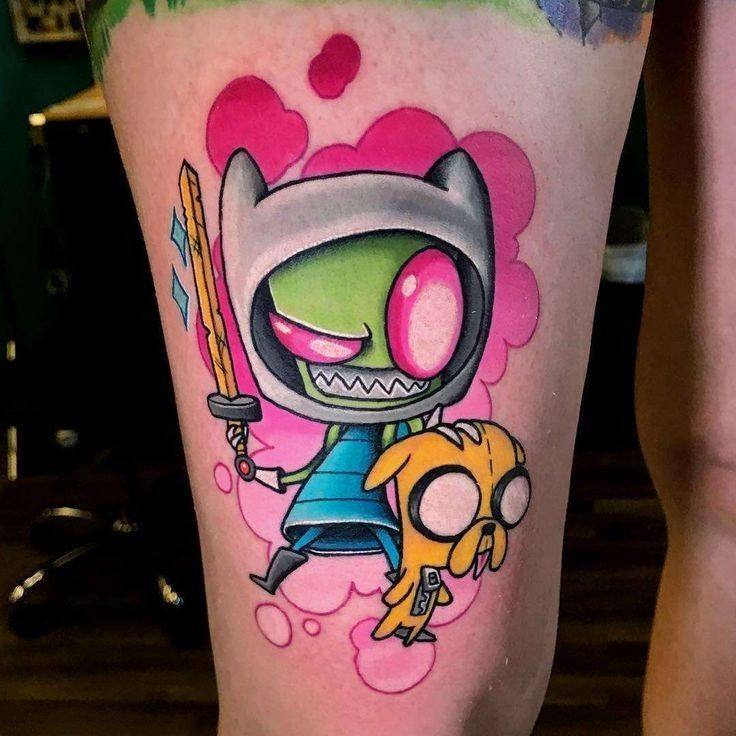
Yeah, I'm gonna be real with you. If you've been paying attention to tattoo culture lately, you've probably noticed that graffiti pure-style isn't the hottest thing right now. 2025-2026? That's the era of lettering and cursive fonts. Artists everywhere are doing handwritten script tattoos, calligraphy work, refined typography. It's cleaner. It's more sophisticated. It's the evolution of what graffiti started.
But here's where it gets interesting: graffiti isn't dead. It's evolving. The techniques—the boldness, the attitude, the unapologetic presence on your skin—that's all transforming into more refined styles. Think of it like this: graffiti was the foundation. Lettering is the next floor built on top of it.
If you love the graffiti vibe—that rebellious energy, the urban creativity, the "I don't care what you think" confidence—this guide still applies 100%. You're just getting the timeless version, not the trend-chasing version.
And lowkey? That's actually better for you. A graffiti tattoo done right is something that'll look incredible 10 years from now. A trend-chasing design where you're just copying what's popular? You'll regret it in 2 years. Promise.
FROM GRAFFITI TO LETTERING: HOW THE TREND EVOLVED IN 2026

Graffiti style pioneered something that's still dominating tattoo culture today: bold letters, thick outlines, and unapologetic urban attitude. The foundation was revolutionary. Cats took spray cans to walls and created art that changed culture. That energy? It's iconic.
But here's what happened in 2026. The pendulum swung toward refinement. Instead of 3D effects and neon colors jumping off your arm, artists are now doing cursive fonts—elegant, clean, timeless. Instead of heavy black outlines fighting for attention, they're using fine lines and negative space. Instead of chasing what's trendy for the 'gram, they're creating what actually lasts.
Here's the thing that didn't change though: the personality. Whether it's a graffiti tag or a cursive script, both communicate rebellion, self-expression, and personal meaning. Both say "this matters to me." Both are a statement. The execution just got more sophisticated. The attitude stayed the same.
Why this matters for your tattoo: If you love graffiti but want something that ages like fine wine instead of looking outdated in 2 years, understanding this evolution helps. You can get a graffiti-inspired design that's been refined through the lens of what's working in 2026. Bold letters still hit. Attitude still translates. But the technique will age better because it's not fighting trends—it's above them.
Think about it. A graffiti piece from 2010 looks... dated. But a well-executed cursive tattoo from 2020? Still looks fresh in 2026. That's the difference.
GRAFFITI STYLE VS MODERN LETTERING: THE EVOLUTION

Let me break down exactly how these two styles differ. This helps you understand where graffiti came from and where it's headed.
Aspect | Classic Graffiti (2010-2025) | Modern Lettering (2026+) |
Vibe | Bold, loud, trendy, street | Sophisticated, timeless, personal |
Outline Style | Thick outlines, heavy strokes | Clean lines, negative space, minimalist |
Colors | Neon, heavy saturation, multiple colors | Bold black, selective accents, restraint |
Visual Impact | High contrast, immediate punch | Elegant subtlety, grows on you |
Aging Profile | Looks dated in 5 years | Stays fresh 15+ years |
Who Gets It | Trend-chasers, impulse buyers | People with a defined aesthetic |
Ink Behavior | Color fades fast, lines blur | Black holds up forever |
Attitude | "Look at me!" | "I know what I like" |
Real talk: Graffiti is an explosion. Lettering is an elegant whisper that everyone remembers. Both are about identity. Both are about making a statement. But one is a shout and the other is a conviction.
5 GRAFFITI STYLES THAT ACTUALLY AGE WELL
Not all graffiti tattoos are created equal. Some styles hold up beautifully. Others... not so much. Here's what actually works:
Style 1: Bold Blackwork Tags
This is the purest form of graffiti on skin. Dense black ink, clean tags, that signature style. Thick outlines, heavy blacks, minimal detail. It's striking. It's readable. It's present.
Why it works: Black never fades like color. Ten years later, your blackwork graffiti still reads clearly because the contrast is permanent. No color shift. No fading. Just solid.
Best for: People who want that classic graffiti feel, anyone loving bold statement pieces, those who don't want to worry about color fading.
Cost: $300-$1,200 (depends on size and complexity)
Aging: Excellent (black outlasts every other color)
Style 2: Throw-Up Inspired (Refined)
A throw-up is that quick graffiti style—simple outline, maybe one or two colors. But we're talking refined throw-ups. Not sloppy. Clean execution, simple design, but with that unmistakable graffiti energy.
The key is simplicity. You're not trying to do photorealism. You're doing a vibe. A mood. A statement in as few strokes as possible.
Why it works: Simplicity ages beautifully. There's no detail to degrade. The design is iconic in its simplicity.
Best for: People who want graffiti energy without overdoing it, anyone seeking minimalist approach, those who value the attitude over the complexity.
Cost: $200-$800 (simpler = less time = lower cost)
Aging: Outstanding (simple designs don't fade the same way complex ones do)
Style 3: Wildstyle (The Art Form)
This is where graffiti becomes art. Wildstyle is complex, layered, intricate. Letters interweave. There's depth. It's technically difficult. If done right by a skilled artist, it's absolutely jaw-dropping.
The problem: wildstyle is hard to age well on skin because there's so much detail. You need an experienced artist who knows how to make it work on skin versus on a wall.
Why it works (when done right): Wildstyle shows that you get graffiti culture. This isn't a trend. This is commitment.
Best for: Serious graffiti heads, people with a deep connection to hip-hop/street culture, anyone willing to invest in a skilled artist.
Cost: $800-$2,500+ (complexity requires expertise)
Aging: Good to excellent (depends heavily on artist skill and line weight)
Style 4: Graffiti with Integration (Mixed Elements)
This is where you blend graffiti with other elements. A graffiti tag with a symbolic element. Graffiti lettering with an image incorporated. Mixed styles that work together.
The beauty here is personalization. You're not just getting a graffiti piece. You're getting your graffiti piece with elements that matter specifically to you.
Why it works: Personal elements make tattoos timeless. You're not copying someone else's design. You're creating your own.
Best for: People with a vision beyond "I like graffiti," those wanting custom narrative design, anyone thinking long-term about meaning.
Cost: $600-$2,000+ (custom work with integration)
Aging: Excellent (custom pieces tend to be bold enough to age well)
Style 5: Graffiti to Lettering Transition
This is the 2026 move. You take graffiti energy—bold, confident, present—but execute it through refined lettering. Cursive fonts that have graffiti attitude. Script that has swagger.
You get the personality without the dated aesthetic.
Why it works: You're future-proofing yourself. Five years from now, this will still look current because it's not fighting a trend—it's above trends.
Best for: People who love graffiti but want something timeless, anyone ready to evolve with culture, those thinking about 10-year aging.
Cost: $400-$1,500 (depends on complexity of lettering)
Aging: Excellent (lettering outlasts pure graffiti)
COLORS & DESIGN ELEMENTS

Not all colors work equally on graffiti tattoos. Here's the real breakdown:
Colors that absolutely pop:
Black (obviously) — Never fades, always reads, the safest choice
Dark blue — Rich contrast, ages well
Red — Bold and vibrant, but fades faster than black
Gold/orange accents — Small amounts for detail, adds personality
White (for highlights) — Creates depth, helps aging
Colors that struggle:
Light pastels — Fade fast, barely visible after a year
Neon colors — Look sick initially, become muddy after 5 years
Too many colors — Makes the design feel chaotic instead of intentional
The strategy: Limit your color palette. Black as foundation. One or two accent colors maximum. This keeps your tattoo looking intentional instead of scattered.
And real talk—if you're using color, use Aquaphor Healing Skin Ointment (affiliate link, no cost to you) during healing. It's the gold standard for color saturation. Keeps the pigment locked in so your colors actually stay vibrant.
FINDING YOUR ARTIST

This is where most people mess up. They find someone cheap or someone who's "okay" and expect a masterpiece. That's not how it works.
What to actually look for:
Portfolio of graffiti work: Not just any tattoos. Specifically graffiti-style pieces. And more importantly—healed photos. Fresh tattoos always look good. Healed tattoos at 6-12 months? That's where you see the real quality.
Understanding of letter anatomy: Graffiti is about letters. Your artist needs to understand letter structure, spacing, flow. Not every good tattoo artist understands how letters work.
Communication: Do they ask questions? Do they get your vision? Or do they just sketch something and expect you to accept it? You want someone who collaborates, not someone who executes.
Experience with aging: Ask them directly: "How do you approach graffiti so it ages well?" If they're vague, keep looking. A good artist knows their technique supports longevity.
Red flags:
"I do any style" (no, you don't)
No graffiti work in portfolio
Won't discuss aging or technique
Prices significantly lower than others (you get what you pay for)
Seems annoyed by your questions
Green flags:
Specific graffiti portfolio
Asks detailed questions about your vision
Discusses technique and aging upfront
Comfortable talking about letter spacing and flow
Fair pricing that reflects expertise
PLACEMENT STRATEGY
Where you put your graffiti tattoo matters more than people think.
Best placements:
Forearm (outer): Visible, heals well, good for showing off graffiti
Upper arm/shoulder: Great healing, good size canvas, easy to display or hide
Chest: Bold statement, good for larger pieces, heals well
Thigh: Excellent healing, private choice on visibility, large canvas for complex work
Placements to avoid:
Hands/fingers: High movement, fading happens fast, professional complications
Wrist: Constant friction from watches, healing challenges, detail degrades
Foot/ankle: Shoes create friction, healing is slower, colors fade rapidly
The real deal: Graffiti is meant to be seen. Choose somewhere that doesn't get destroyed by friction or sun. Forearm and upper arm are the sweet spot for most people.
AFTERCARE FOR GRAFFITI INK
Here's the part that separates people who love their tattoos from people who regret them: aftercare.
First 2 weeks (critical):
Keep it clean with gentle soap. Pat dry (don't rub). Use quality ointment. Most pros recommend Aquaphor (no extra cost to you) because it locks in color without suffocating the skin.
Wear loose clothing. Avoid water submersion (showers are fine, pools/baths are not). Don't scratch it. Sleep carefully so you're not rubbing it against your pillow.
Weeks 2-4:
Keep moisturizing. Start being more careful with sun exposure. Don't pick at peeling skin (this is normal, let it happen naturally).
Month 1 and beyond:
Your tattoo is healed, but it's not immune. Use sunscreen on tattooed areas, especially in the first year. UV damage fades tattoos fast, especially colors.
For graffiti specifically: Black ink is forgiving. But if you have color, protect it like your skin depends on it. The difference between a vibrant tattoo and a faded one is often just consistent sunscreen.
FAQ: EVERYTHING YOU ACTUALLY WONDER ABOUT

How much pain are we talking?
Real talk? It hurts. But it's not unbearable. Most people describe it as intense pressure with constant buzzing. Your pain tolerance matters. Placement matters (bony areas hurt more). And honestly? A good artist minimizes pain through technique.
How long until it's fully healed?
Obvious healing (the gross part): 2-3 weeks. Full healing underneath: 4-6 weeks. During that time, your tattoo will itch like crazy. Don't scratch it. I know it sucks, but scratching ruins healing.
Should I get a small or large graffiti tattoo?
Medium is the sweet spot. Too small and detail becomes a blur in a few years. Too large and you're committing to something massive. Go medium.
Will my graffiti tattoo look dated?
Not if you do it right. Pure graffiti trends fade. But graffiti executed well—clean lines, intentional design, good placement—that's timeless. The difference is whether you're chasing a trend or creating something personal.
How much color can I use?
Less is more. Black as foundation. One or two accent colors max. This keeps it looking intentional instead of like a rainbow exploded on your arm.
Can I cover up a bad graffiti tattoo?
Yeah, but cover-ups are expensive and complicated. Better to get it right the first time. Invest in the right artist now versus paying double for a cover-up later.
Will people judge me for a graffiti tattoo?
Some people will. Some won't. But if you're getting tattooed for other people's approval, you're doing it wrong. Get it for you.
How often do I need touch-ups?
Quality graffiti work might need a touch-up in 5-7 years for colors. Black? Could go 15+ years without touching anything. But good aftercare stretches those timelines significantly.
THE CHECKLIST: BEFORE YOU BOOK

Don't skip this. For real.
✓ You understand what you actually want. Not just "graffiti tattoo." But which style, what vibe, what it means to you.
✓ You've researched artists for at least 4 weeks. Looked at portfolios, checked healed work, read reviews, followed them on social media.
✓ You've sat with the design. Not just loved it fresh. Actually lived with the idea for a while. Still excited? Good. Losing interest? Wait longer.
✓ You've chosen placement strategically. Somewhere that heals well, ages gracefully, and fits your lifestyle.
✓ You've got budget covered. And you're not choosing an artist based purely on price. Quality costs money.
✓ You understand this will be permanent. Like, actually permanent. Not "I'll get it removed" permanent. Forever permanent.
✓ You're doing this for you. Not for Instagram. Not for approval. For you.
✓ You're mentally prepared for pain. Not scared. Just aware that yeah, it's gonna be uncomfortable.
✓ You have aftercare supplies ready. Aquaphor or equivalent. Sunscreen. Patience.
If you check all these boxes honestly? You're ready.
FINAL THOUGHT: GRAFFITI IS AN ATTITUDE, NOT A TREND
Here's the thing about graffiti. It's not really a design style. It's an attitude. It's saying "I don't apologize for taking up space. I don't apologize for being bold. I'm here, and I matter."
That attitude? That doesn't go out of style.
The specific design trends—yeah, those come and go. But the energy behind graffiti? The rebellion, the creativity, the unapologetic self-expression? That's forever.
The difference between a graffiti tattoo you'll love forever and one you'll regret is simple: get it because you believe in the attitude, not because the design looked cool on Instagram. Work with an artist who understands that graffiti isn't about copying walls onto skin. It's about translating that energy into something permanent on your body.
Do that, and you're golden. Your graffiti tattoo won't be a trend. It'll be a statement.
Essential Tattoo Aftercare: Protecting Bold Colors and Crisp Lines

Proper aftercare is paramount for preserving the vibrancy and crispness of your graffiti tattoo, especially with its bold colors and intricate lines.
Step-by-Step External Care
Keep it Clean: Gently wash your new tattoo with mild, unscented soap and lukewarm water 2-3 times a day.
Moisturize: Apply a thin layer of unscented, tattoo-specific moisturizer after washing to keep the skin hydrated.
Avoid Sun Exposure: SUNSCREEN is crucial for graffiti tattoos once healed. The vibrant, neon colors used in this style are particularly susceptible to fading and blurring when exposed to UV rays. Always use a high SPF to protect your investment.
No Picking or Scratching: Allow the tattoo to heal naturally. Picking at scabs can pull out ink and damage the design.
Internal Healing Support (CRITICAL)
Beyond external care, supporting your body's healing process from within can significantly impact the longevity and vibrancy of your graffiti tattoo.
For skin elasticity and collagen rebuilding, which helps the skin hold onto ink better and heal smoothly, consider supplements like Collagen Renew Verisol Nutrify or Vitafor Colagentek.
To reduce inflammation and support overall skin health during the healing phase, Omega 3 VITAFOR or Omega 3 NUTRIFY can be highly beneficial.
For immune support, which is vital for efficient healing, a good multivitamin such as Multivitamin NOW or Multivitamin LIFE EXTENSION can help your body recover faster.


See More: ⤵
Evil Eye Tattoo: The Mystique of the Meanings and Inspiration
The Ultimate Guide to Tattoo Designs for Men: Unleashing Your Inner Warrior
Eyebrow Tattoo: The Definitive Guide for Bold and Beautiful Brows
Forearm Tattoos: Unleashing Your Personal Style on Skin Canvas
Is an Inner Forearm Tattoo Painful? Your Complete Guide to Forearm Tattoo Pain
Butterfly Tattoos for Women in 2024: Embracing Transformation
Discover the Most Sensitive Part of the Body to Get a Tattoo
Nipple Tattoos: A Comprehensive Guide to Areola Reconstruction and Decorative Designs
Hip Tattoos: The Ultimate Guide to Choosing and Caring for Your Sexy Hip Ink
Divergent Tattoos: A Comprehensive Guide to Choosing, Placing, and Caring for Your Ink
Forearm Tattoos for Women: Styles, Inspiration, and Considerations
Sleeve Tattoos for Men: The Ultimate Guide to Designing and Rocking Your Ink
Best Friend Tattoos: Celebrating the Unbreakable Bond of Friendship
Wave Tattoo: Unleashing the Power and Beauty of the Ocean on Your Skin
Wrist Tattoos: Meaningful Designs and Ideas for Your Next Ink
Halloween Tattoos: Spooky and Creative Ideas for Ink Enthusiasts
Japanese Tattoo: Exploring the Rich History and Symbolism of Irezumi
Infinity Tattoo Ideas: Endless Inspiration for Your Next Ink
Cat Tattoos: Meanings, Designs, and Ideas for Feline-Inspired Ink
Feather Tattoo: Meanings, Designs, and Ideas for Your Next Ink
Lotus Flower Tattoo: Meanings, Designs, and Ideas for Your Next Ink
Polynesian Tattoo: Unraveling the Meanings and Traditions Behind the Ancient Art
Birth Flower Tattoos: Celebrating Your Birthday with Floral Ink
Forearm Tattoos for Women: Embracing Femininity and Self-Expression
Head Tattoos for Guys: Bold Designs and Crucial Considerations
Forearm Tattoos: Unleashing Your Personal Style on Skin Canvas
Arm Tattoos: Your Ultimate Guide to Inked Sleeves and Beyond
Phoenix Tattoo: Rising from the Ashes with Stunning Design Ideas
Heart Tattoo: Meanings, Designs, and Ideas for Your Next Ink

Comments